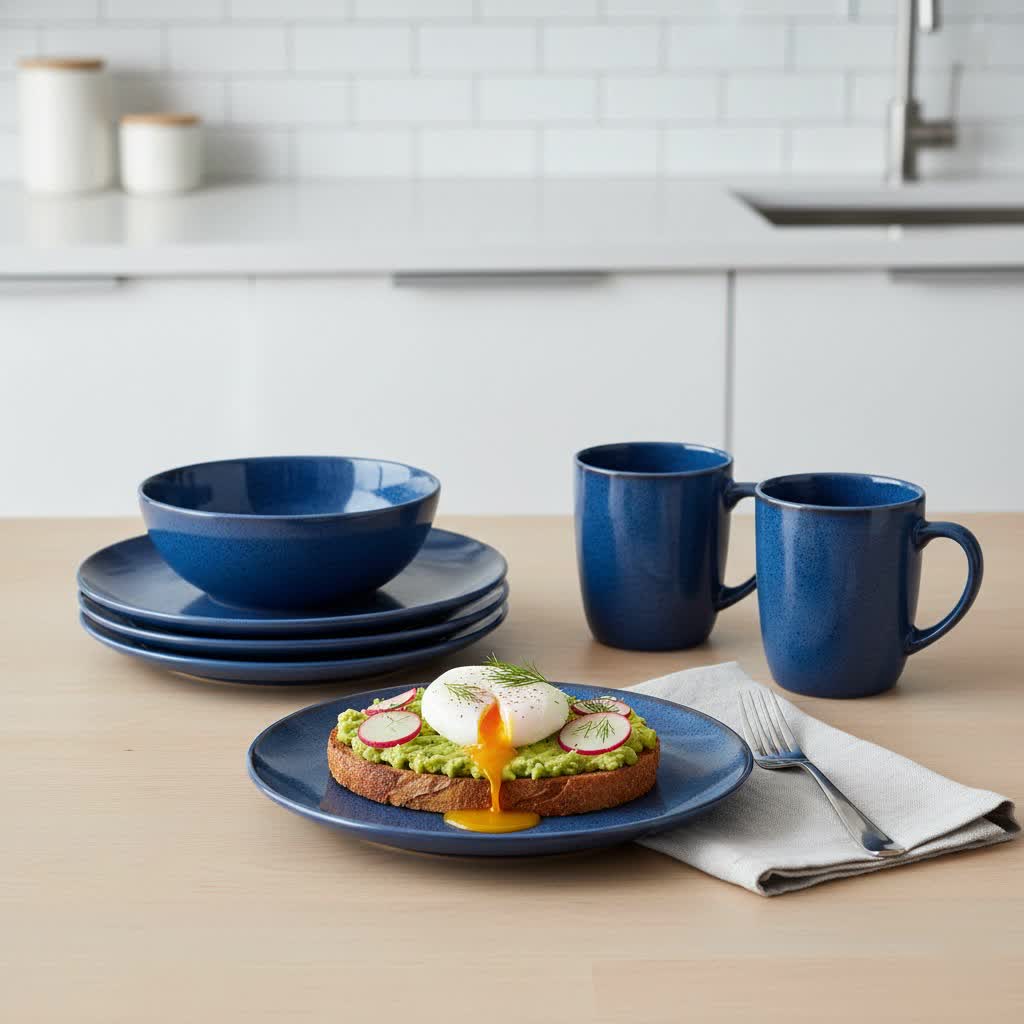
For many, ceramic dinnerware is the cornerstone of a beautiful and functional kitchen, blending aesthetic appeal with everyday practicality. However, a growing awareness of health and wellness has brought a crucial question to the forefront: how can you ensure your beloved ceramic dishes are safe and lead-free? The presence of lead in dinnerware, particularly in older or improperly manufactured pieces, poses a serious health risk, impacting nervous systems, kidneys, and overall well-being. This guide will navigate the complexities of lead in ceramic production, demystify safety standards, and provide you with actionable steps to confidently select lead-free ceramic dinnerware that protects your family’s health and complements your lifestyle.
What Is Ceramic Dinnerware?
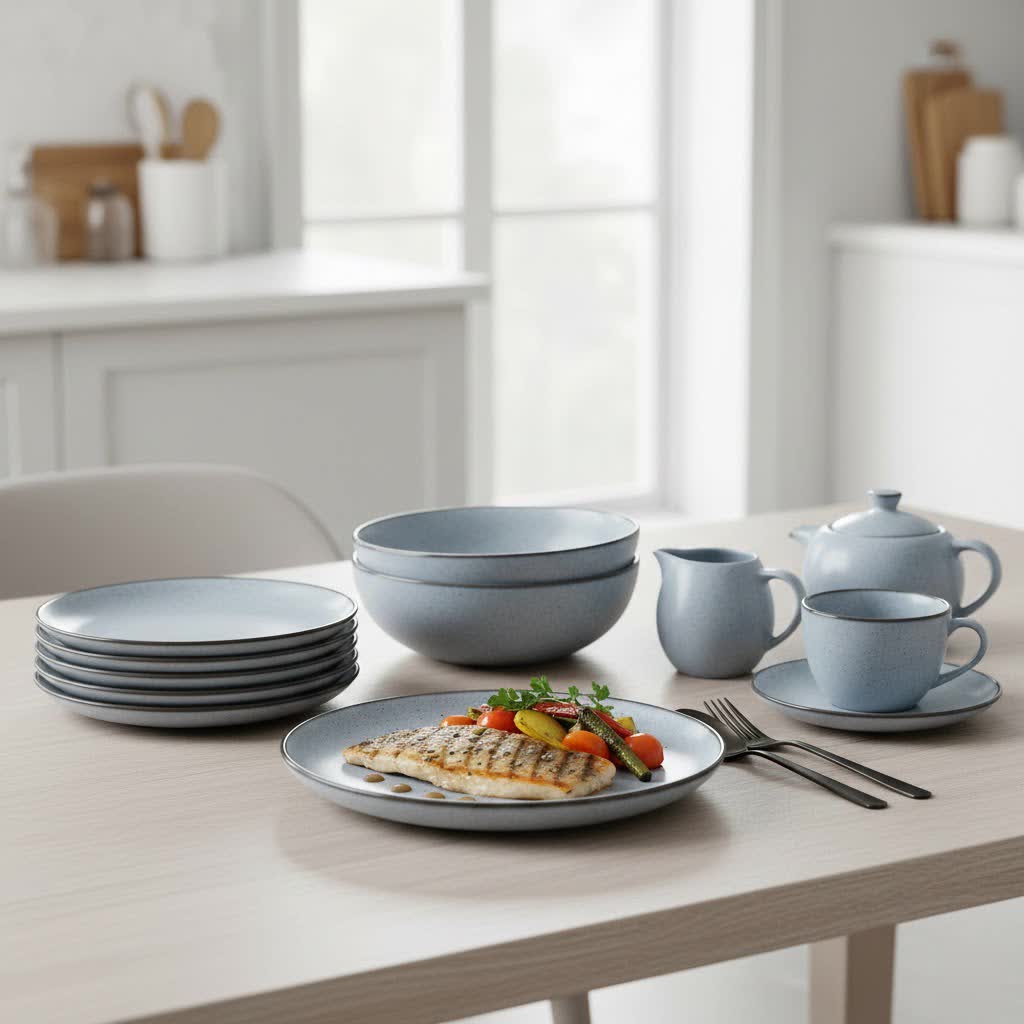
Ceramic dinnerware encompasses a broad category of dishes made from clay and other natural materials, hardened by firing at high temperatures. From ancient civilizations to modern culinary traditions, ceramics have played a pivotal role in food preparation and presentation for millennia, evolving from simple functional vessels to intricate works of art. The term “ceramic” itself is an umbrella, covering various types like earthenware, stoneware, and porcelain, each with distinct characteristics derived from their clay composition, firing temperatures, and glazing processes. The widespread use of ceramic dinnerware is a testament to its durability, versatility, and ability to enhance the dining experience through diverse textures, colors, and designs.
Types of Ceramic Dinnerware and Their Safety Implications
Understanding the different types of ceramic dinnerware is key to making informed choices, especially concerning potential lead content. While modern manufacturing standards have significantly reduced lead usage, knowledge of each material’s properties can guide your selection.
- Bone China: Known for its exceptional strength, translucence, and elegant appearance, bone china is a type of porcelain that includes bone ash in its composition. It is fired at relatively low temperatures, resulting in a lightweight yet incredibly durable material. Bone china is generally considered one of the safest options, as reputable manufacturers almost exclusively use lead-free glazes to preserve its pristine white appearance and meet high-end market expectations. Its delicate look often belies its robust nature, making it a popular choice for both formal and everyday use.
- Stoneware: A denser and more opaque ceramic than porcelain, stoneware is fired at high temperatures, making it less porous and more durable than earthenware. It typically has a hearty, rustic feel and is excellent at retaining heat. Modern stoneware, particularly from established brands, is often produced with lead-free glazes. Its resilience makes it suitable for daily use, and it is usually microwave, dishwasher, and oven safe. However, like all ceramics, it’s essential to confirm “lead-free” or “food-safe” labeling, especially with artisan or imported pieces, as the glazes can vary widely.
- Earthenware: As the oldest and most basic form of ceramic, earthenware is fired at lower temperatures, resulting in a more porous material than stoneware or porcelain. It often has a rustic, artisanal charm and can be quite heavy. Because of its porosity, earthenware must be glazed to be food-safe and hold liquids, and traditionally, lead was a common component in these glazes to achieve vibrant colors and a smooth finish. While contemporary earthenware aims for lead-free production, this category warrants extra scrutiny. It is crucial to verify explicit “lead-free” or “food-safe” labels, as older or unregulated earthenware pieces are among the most likely to contain problematic levels of lead.
- Porcelain: Porcelain is a non-porous, highly durable, and often translucent ceramic, known for its fine texture and elegant finish. It is fired at very high temperatures, making it exceptionally strong and resistant to chipping and staining. Due to its inherent characteristics and the rigorous standards of its production, porcelain is generally a very safe choice for dinnerware. Most reputable porcelain manufacturers today use lead-free glazes. Its versatility allows for both sophisticated formal settings and practical everyday use, offering excellent thermal resistance and ease of cleaning.
Advantages and Disadvantages of Ceramic Dinnerware
While ceramic dinnerware brings undeniable charm and utility to any table, understanding its overall pros and cons—especially in the context of safety—is vital for making an informed purchase.
Advantages:
- High Aesthetic Appeal and Variety: Ceramic dinnerware comes in an unparalleled range of colors, patterns, and styles, from minimalist modern to traditional ornate designs, allowing you to perfectly match your home decor and personal taste.
- Health Safety (If Certified): When properly manufactured with lead-free glazes and certified as food-safe, ceramic dinnerware is a healthy choice, free from harmful chemicals that can leach into food.
- Ease of Cleaning and Maintenance: Most ceramic dishes are non-porous (especially porcelain and stoneware), making them resistant to bacteria and easy to hand wash or clean in a dishwasher.
- Excellent Heat Retention: Ceramics, particularly stoneware, are effective at keeping food warm, enhancing the dining experience. Many types are also microwave and oven safe, offering versatility in cooking and serving.
Disadvantages:
- Susceptibility to Breakage: Despite their durability, ceramic dishes are inherently fragile and prone to chipping, cracking, or breaking if dropped or handled carelessly.
- Potential for Scratching: While many glazes are scratch-resistant, some softer glazes, especially on certain earthenware or heavily used pieces, can show utensil marks over time.
- Varying Quality and Safety: The biggest drawback relates to safety. Not all ceramic dinnerware is created equal. Unregulated or older pieces can contain lead and cadmium in their glazes, posing serious health risks if these heavy metals leach into food.
- Higher Cost for Quality: High-quality, genuinely lead-free, and well-crafted ceramic dinnerware, particularly specialized types like bone china, can be more expensive than alternatives made from glass or plastic.
Comparison of Common Ceramic Dinnerware Types
To help you decide, here’s a direct comparison of the most common ceramic dinnerware types, focusing on their general characteristics, including durability and cost, while always emphasizing the need to verify lead-free claims.
| Ceramic Type | Advantages | Disadvantages | Durability | Price Range |
|---|---|---|---|---|
| Bone China | Lightweight, thin, elegant, very strong | More delicate appearance | Very High | High |
| Stoneware | Durable, chip-resistant, retains heat well | Heavier, prone to scratching | High | Mid-High |
| Earthenware | Rustic charm, wide design variety | More porous, prone to chipping | Low | Low-Mid |
| Porcelain | Durable, non-porous, elegant, versatile | Can be expensive for high quality | High | Mid-High |
Guide to Choosing Lead-Free Ceramic Dinnerware
Selecting lead-free ceramic dinnerware requires a careful and informed approach. Here’s a step-by-step guide to ensure your choices are safe and suitable for your home.
1. Define Your Usage Needs
Before you even consider materials, clarify how you intend to use the dinnerware:
- Family Size and Frequency: How many place settings do you need? Will this be for daily meals, special occasions, or both? Daily-use dinnerware should prioritize durability and ease of care.
- Lifestyle Considerations: Do you have young children who might drop dishes? Do you frequently use a microwave or dishwasher? These factors will influence the type of ceramic best suited for your household.
- Table Setting Style: Do you prefer a modern, minimalist, rustic, or classic aesthetic? This will guide your choices in design, color, and finish.
|
Our Picks for the Best Ceramic dinnerware in 2026
As an Amazon Associate I earn from qualifying purchases.
|
||
| Num | Product | Action |
|---|---|---|
| 1 | Corelle Vitrelle 18-Piece Service for 6 Dinnerware Set, Triple Layer Glass and Chip Resistant, Lightweight Round Plates and Bowls Set, Portofino |

|
| 2 | vancasso Bonita Stoneware Dinnerware Sets 24 Pieces Service for 6, Hand-Painted Spiral Dishes Set, Ceramic Kitchen Plates and Bowls Sets-Microwave and Dishwasher Safe (Blue,24 Pcs) |
|
| 3 | TheTerra Stoneware Dinnerware Sets for 4, 12 Pieces Ceramic Plates and Bowls Sets, Scratch Resistant Dish Set, Oven, Microwave & Dishwasher Safe, Creamy Amber |
|
| 4 | TheTerra Stoneware Dinnerware Sets for 4, 12 Pieces Ceramic Plates and Bowls Sets, Scratch Resistant Dish Set, Oven, Microwave & Dishwasher Safe, Dusk Blue |
|
| 5 | Corelle Vitrelle 18 Piece Glass Dinnerware Sets Service for 6, Triple Layer Chip & Crack Resistant Glass Plate and Bowl Sets, Laila |
|
| 6 | TheTerra Stoneware Dinnerware Sets for 4, 12 Pieces Ceramic Plates and Bowls Sets, Scratch Resistant Dish Set, Oven, Microwave & Dishwasher Safe, Coca Mocha |
|
| 7 | Gibson Home Oslo 12-Piece Porcelain Chip and Scratch Resistant Dinnerware Set, Service for 4 – Black Plates and Bowls, Microwave & Dishwasher Safe |
|
| 8 | TheTerra Stoneware Dinnerware Sets for 4, 12 Pieces Ceramic Plates and Bowls Sets, Scratch Resistant Dish Set, Oven, Microwave & Dishwasher Safe, Autumn Haze |
|
| 9 | Corelle Vitrelle 18-Piece Service for 6 Dinnerware Set Triple Layer Glass and Chip Resistant, Lightweight Round Plates and Bowls Set, Winter Frost White |
|
| 10 | Gibson Home Oslo Dinnerware Set for 4, 16-Piece White Porcelain Plates and Bowls — Ceramic Dish Set - Microwave & Dishwasher Safe |
|
2. Prioritize Lead-Free Certification and Reputable Sources
This is the most critical step for safety:
- Look for Clear Labeling: Always seek explicit labels such as “Lead-Free,” “Cadmium-Free,” or “Food-Safe.” Reputable manufacturers will proudly display these certifications. Be wary of dishes without any safety information.
- Check for International Standards: Confirm if the product meets recognized international safety standards like FDA (U.S. Food and Drug Administration) requirements, EU LFGB (German Food, Commodities and Feed Act), or California Proposition 65. These standards regulate the maximum permissible levels of leachable lead and cadmium.
- Choose Established Brands: Purchase from well-known brands and retailers with a history of quality and transparency. These companies are more likely to invest in rigorous testing and adhere to safety regulations. Artisanal pieces should come from makers who are transparent about their glazes and firing processes.
“When in doubt, always prioritize a clear ‘Lead-Free’ label and verifiable certifications. Your health is worth the extra scrutiny.” – Dr. Eleanor Vance, Environmental Health Specialist
3. Inspect the Quality of the Glaze and Finish
While not a definitive lead test, visual inspection can indicate overall product quality:
- Smooth, Consistent Glaze: The glaze should be smooth, even, and free from chips, cracks, or bubbles, especially on food-contact surfaces. A compromised glaze can potentially allow leaching, even if it’s lead-free.
- Even Color and Pattern: While vibrant colors are not inherently bad, unusually bright or inconsistent colors, especially on non-branded items, might be a sign of lower quality glazes where lead could have been used as a color enhancer. Look for uniform application.
- Avoid Damaged Items: Never buy or use ceramic dinnerware that is chipped, cracked, or severely scratched, as these areas can harbor bacteria and potentially expose underlying materials that may be less stable.
4. Consider Material Type for Durability and Aesthetics
Based on your needs and aesthetic preferences, select the ceramic type:
- For Everyday Durability: Stoneware and porcelain (including bone china) are generally the most durable and chip-resistant options for daily use.
- For Elegant Occasions: Bone china and fine porcelain offer a sophisticated touch.
- For Rustic Charm: Earthenware can be appealing, but ensure it is clearly labeled lead-free and has a robust, intact glaze.
How to Clean and Maintain Ceramic Dinnerware
Proper care extends the life of your ceramic dinnerware and helps maintain its integrity, ensuring continued safety.
- Gentle Hand Washing: For delicate or decorative pieces, wash by hand using warm water and a mild, non-abrasive dish soap. Use a soft sponge or cloth to prevent scratching the glaze.
- Dishwasher Use: Most modern, high-quality ceramic dinnerware (especially stoneware and porcelain) is dishwasher safe. However, check the manufacturer’s recommendations. Arrange dishes to prevent direct contact and chipping during cycles.
- Avoid Harsh Cleaners: Steer clear of abrasive scrubbers, steel wool, or strong chemical detergents, as these can damage the glaze over time and potentially compromise its protective layer.
- Careful Storage: Store ceramic dishes carefully to prevent chips and scratches. Use plate separators or felt pads between stacked plates, and avoid overcrowding cabinets.
- Prevent Thermal Shock: While ceramics can withstand heat, sudden and extreme temperature changes (e.g., placing a hot dish directly into cold water) can cause cracking. Allow dishes to cool gradually before washing.
Reputable Lead-Free Ceramic Dinnerware Brands
Many brands are committed to producing high-quality, lead-free ceramic dinnerware. While specific product lines should always be checked for individual certifications, here are a few examples of brands generally recognized for their commitment to safety and quality:
- Corelle: Known for its lightweight, durable, and chip-resistant dinnerware, Corelle often uses Vitrelle glass, which is non-porous and generally free from lead and cadmium.
- Fable: This brand emphasizes ethical production and explicitly states its commitment to lead-free and cadmium-free dinnerware, often using high-quality porcelain or stoneware.
- Pottery Barn: While you need to check specific collections, Pottery Barn offers various dinnerware sets, with some explicitly labeled as lead-free, particularly their glass and glazed ceramic collections.
- Heath Ceramics: A brand celebrated for its artisanal quality and commitment to non-toxic materials, handcrafted in California. They are transparent about their glazes and firing processes.
- Fiesta Dinnerware: This iconic American brand is well-known for its vibrant colors and has been lead-free since 1986, using fully vitrified china with non-toxic glazes.
Always verify the “lead-free” claim on the specific product or collection you are considering, as offerings can change.
Conclusion
Choosing lead-free ceramic dinnerware is an essential step toward creating a safer and healthier home environment. While the beauty and versatility of ceramic dishes are undeniable, being a vigilant consumer is paramount. By understanding the risks associated with lead, recognizing the various types of ceramics, and knowing what certifications and visual cues to look for, you empower yourself to make informed decisions. Prioritize explicit “lead-Free” labels, seek out reputable manufacturers, and inspect the quality of glazes to ensure your dinnerware meets the highest safety standards. With the right knowledge, you can confidently select stunning and safe ceramic dinnerware that enhances your meals and brings peace of mind for years to come. What steps will you take today to ensure your dinnerware is truly lead-free?
Frequently Asked Questions
What are the health risks associated with lead in ceramic dinnerware?
Lead is a potent neurotoxin that can leach from glazes into food, especially acidic foods. Long-term exposure, even to small amounts, can cause serious health problems, including developmental issues in children, neurological damage, kidney and reproductive problems, and high blood pressure in adults.
How can I tell if my old ceramic dishes contain lead?
It’s challenging to definitively test old dishes at home without specialized kits. However, dishes made before 1970, brightly colored glazes (especially red, orange, and yellow), or those with worn or chipped glazes, are more likely to contain lead. If uncertain, it’s best to avoid using them for food.
Are all modern ceramic dishes guaranteed to be lead-free?
No. While regulations have become stricter, and many reputable manufacturers produce lead-free dinnerware, it’s not universally guaranteed. Products from unregulated sources, particularly some imports, may still contain lead. Always look for “lead-free” labels and certifications.
Can food-safe glazes still contain trace amounts of lead?
“Food-safe” means the product meets regulatory standards for lead and cadmium leaching, implying any trace amounts are below harmful thresholds. “Lead-free” typically means no lead was intentionally added and any lead present is negligible (often <0.01% lead by dry weight). For absolute safety, choose “lead-free” certified products.
Is vintage or antique ceramic dinnerware safe to use for food?
Generally, no. Vintage and antique ceramic dinnerware, especially items from before the 1970s, were often made with lead-based glazes. Unless you can verify with a specialized test that a specific piece is lead-free, it is safest to use these items for decorative purposes only.
What about handmade or artisanal ceramic dinnerware?
For handmade items, transparency from the artisan is key. Ask about the specific glazes used and if they are certified lead-free or food-safe. A responsible artisan will be knowledgeable and open about their materials and firing processes. If this information isn’t available, exercise caution.