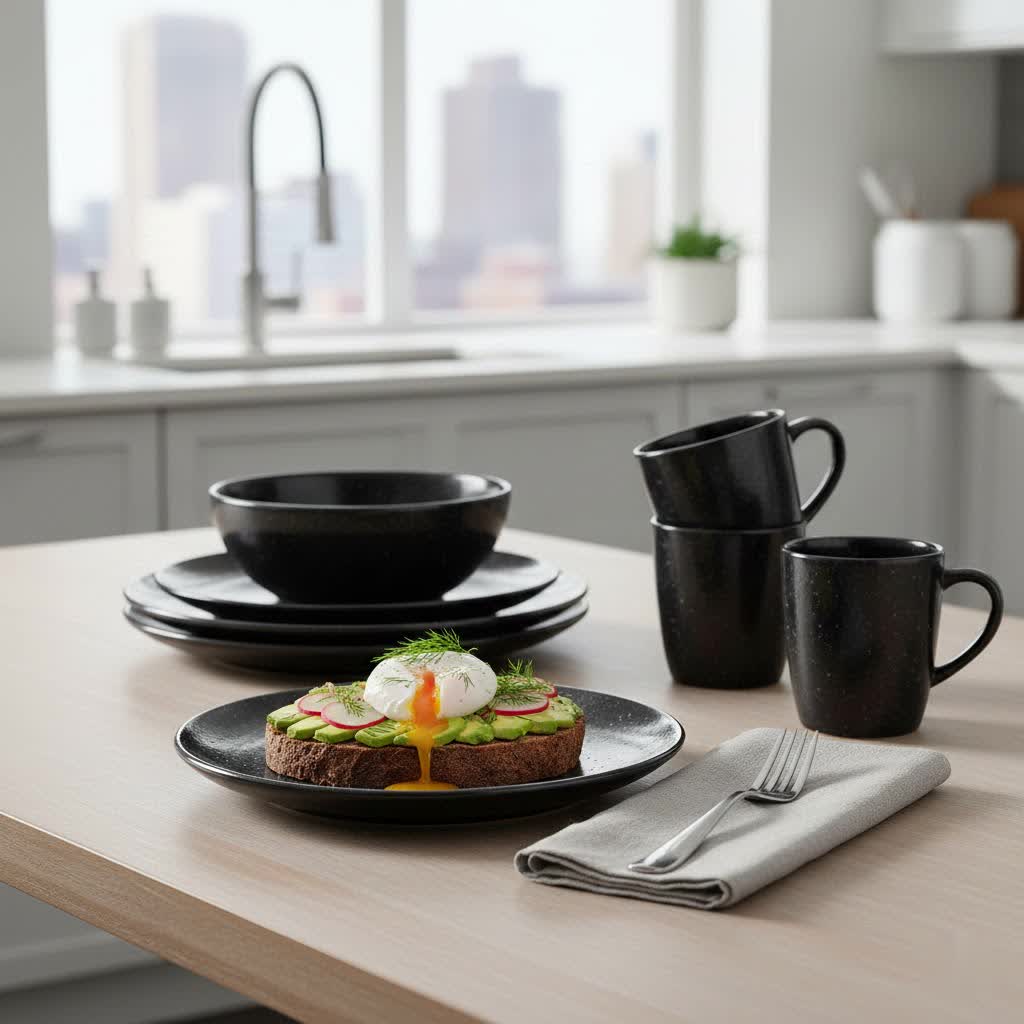
Choosing ceramic dinnerware for your home is an investment in both aesthetics and functionality. As an expert with over a decade in the ceramic industry, I understand the nuances that differentiate various pieces. Among the most critical distinctions lies the presence or absence of a glaze—a factor that profoundly impacts durability, appearance, and practicality. Understanding whether a ceramic piece is glazed or unglazed is key to ensuring it meets your lifestyle demands and remains a cherished part of your kitchen for years to come.
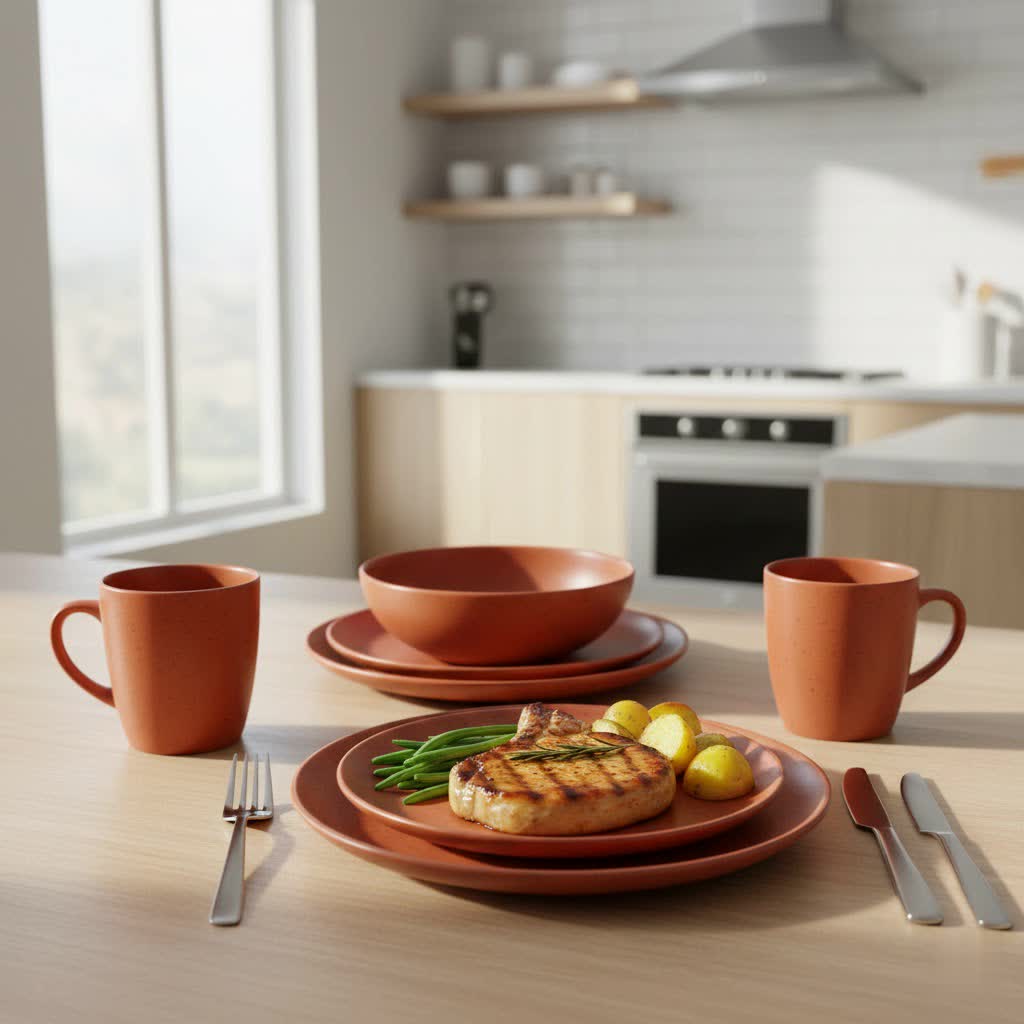
Understanding Ceramic Durability: The Basics of Glazed and Unglazed
At its core, ceramic refers to items made from clay that have been hardened by heat. This broad category encompasses everything from delicate porcelain to sturdy stoneware. The key differentiator for durability often comes down to one crucial element: the glaze.
A glazed ceramic piece is coated with a thin, glass-like layer, which then undergoes high-temperature firing. This process transforms the applied material into a hard, impermeable surface that bonds with the ceramic body. Historically, glazes were developed to make porous clay vessels waterproof, allowing them to hold liquids and be more hygienic. Beyond functionality, glazes offer a vast palette of colors, finishes (from glossy to matte), and patterns, enhancing the aesthetic appeal of dinnerware.
Conversely, unglazed ceramic retains the natural, raw surface of the fired clay body. It is ceramic without that final protective glass coating. Unglazed pieces, often characterized by an earthy, matte texture, highlight the natural beauty of the clay. While some high-fired unglazed ceramics, like certain porcelains and stonewares, can achieve a dense, vitrified (glass-like) state that makes them nearly non-porous, many unglazed ceramics, particularly lower-fired earthenware, remain inherently porous. This porosity is a primary factor in their differing durability profiles and care requirements.
The Spectrum of Ceramic Dinnerware: Glazed and Unglazed Considerations
While the distinction between glazed and unglazed is fundamental, it’s also important to remember that ceramic encompasses various types, each with its own inherent strength and porosity before glazing.
- Earthenware: Typically fired at lower temperatures, earthenware remains quite porous in its unglazed state. For dinnerware applications, it is almost always glazed to make it food-safe, non-absorbent, and easier to clean. Without glaze, unglazed earthenware would absorb liquids, stain easily, and could harbor bacteria.
- Stoneware: Fired at higher temperatures than earthenware, stoneware is denser and less porous. While some artisanal stoneware can be left unglazed (especially for exterior surfaces or specific cooking applications), most stoneware dinnerware is glazed. The glaze adds an extra layer of protection against chipping, staining, and moisture absorption, while also providing a smooth, hygienic surface for food.
- Porcelain: Known for its exceptional strength and non-porosity, porcelain is fired at very high temperatures, achieving a vitrified state where the clay particles melt into a glass-like material. Unglazed porcelain (often called “bisque” or “matte porcelain”) is dense enough to be technically non-porous and food-safe. However, dinnerware grade porcelain is nearly always glazed for its characteristic smooth, translucent finish, enhanced stain resistance, and ease of cleaning.
- Bone China: A type of porcelain, bone china is renowned for its delicate appearance, translucence, and high chip resistance despite its thinness. It is inherently strong due to its composition and high firing temperature, and it is always glazed to achieve its signature elegant finish and functional non-porosity.
Advantages and Disadvantages: Glazed Ceramic Dinnerware
Glazed ceramic dinnerware is a popular choice for good reason, offering a blend of beauty and practicality.
Advantages:
- Enhanced Aesthetics: Glazes provide a vast array of colors, patterns, and finishes, from high-gloss to subtle matte, allowing for diverse design possibilities.
- Non-Porous Surface: The glassy glaze creates an impermeable barrier, preventing liquids, oils, and food particles from seeping into the ceramic body. This makes it highly resistant to stains and odors.
- Hygienic and Easy to Clean: Its smooth, non-porous surface makes glazed dinnerware incredibly easy to wipe clean, discouraging bacterial growth and ensuring superior hygiene. It’s generally dishwasher safe, simplifying daily use.
- Increased Strength and Chip Resistance: The glaze layer can contribute to the overall strength and chip resistance of the ceramic, particularly for softer bodies like earthenware. It provides a protective shell against minor impacts.
- Chemical Resistance: Glazes can make ceramic more resistant to acids and other chemicals, which is beneficial when serving a variety of foods.
|
Our Picks for the Best Ceramic dinnerware in 2026
As an Amazon Associate I earn from qualifying purchases.
|
||
| Num | Product | Action |
|---|---|---|
| 1 | Corelle Vitrelle 18-Piece Service for 6 Dinnerware Set, Triple Layer Glass and Chip Resistant, Lightweight Round Plates and Bowls Set, Portofino |

|
| 2 | Gibson Home Oslo 12-Piece Porcelain Chip and Scratch Resistant Dinnerware Set, Service for 4 – Black Plates and Bowls, Microwave & Dishwasher Safe |
|
| 3 | TheTerra Stoneware Dinnerware Sets for 4, 12 Pieces Ceramic Plates and Bowls Sets, Scratch Resistant Dish Set, Oven, Microwave & Dishwasher Safe, Coca Mocha |
|
| 4 | TheTerra Stoneware Dinnerware Sets for 4, 12 Pieces Ceramic Plates and Bowls Sets, Scratch Resistant Dish Set, Oven, Microwave & Dishwasher Safe, Dusk Blue |
|
| 5 | Corelle Vitrelle 18-Piece Service for 6 Dinnerware Set Triple Layer Glass and Chip Resistant, Lightweight Round Plates and Bowls Set, Winter Frost White |
|
| 6 | Gibson Home Oslo Dinnerware Set for 4, 16-Piece White Porcelain Plates and Bowls — Ceramic Dish Set - Microwave & Dishwasher Safe |
|
| 7 | TheTerra Stoneware Dinnerware Sets for 4, 12 Pieces Ceramic Plates and Bowls Sets, Scratch Resistant Dish Set, Oven, Microwave & Dishwasher Safe, Autumn Haze |
|
| 8 | Corelle Vitrelle 18 Piece Glass Dinnerware Sets Service for 6, Triple Layer Chip & Crack Resistant Glass Plate and Bowl Sets, Laila |
|
| 9 | TheTerra Stoneware Dinnerware Sets for 4, 12 Pieces Ceramic Plates and Bowls Sets, Scratch Resistant Dish Set, Oven, Microwave & Dishwasher Safe, Creamy Amber |
|
| 10 | vancasso Bonita Stoneware Dinnerware Sets 24 Pieces Service for 6, Hand-Painted Spiral Dishes Set, Ceramic Kitchen Plates and Bowls Sets-Microwave and Dishwasher Safe (Blue,24 Pcs) |
|
Disadvantages:
- Susceptible to Chipping and Scratching: While the glaze adds protection, the glazed layer itself can chip or scratch if subjected to hard impacts or abrasive utensils, revealing the unglazed clay beneath. Once chipped, the underlying porous body can become vulnerable.
- Crazing: Over time, fine hairline cracks, known as crazing, can develop in the glaze due to thermal shock or aging. These cracks can compromise hygiene by allowing moisture and bacteria to penetrate.
- Potential for Lead/Cadmium Leaching: Historically, some glazes contained lead or cadmium. While modern, reputable manufacturers use lead-free, food-safe glazes, care should always be taken when purchasing older or uncertified ceramic ware, as these materials can leach into food, especially acidic dishes.
- Surface Can Be Slippery: A glossy glazed surface can be more slippery than an unglazed one, which might be a minor consideration depending on handling.
Advantages and Disadvantages: Unglazed Ceramic Dinnerware
Unglazed ceramic dinnerware, while less common for everyday use in Western cultures, offers a distinct charm and unique properties that appeal to many.
Advantages:
- Natural, Earthy Aesthetic: Unglazed ceramics celebrate the raw beauty of the clay, offering a rustic, organic, and minimalist look. Their matte finish and natural colors provide a tactile appeal.
- Consistent Coloration: Because there’s no surface coating, any minor scratches or chips on unglazed pieces often blend in with the natural color of the clay body, making wear and tear less noticeable.
- Excellent Grip: The untextured, matte surface provides a natural grip, reducing the chance of slipping. (This is more pronounced in unglazed tiles, but applies to dinnerware texture as well).
- Breathability (for specific applications): For traditional cooking vessels (e.g., terracotta tagines or bean pots), the slight porosity of unglazed clay allows for steam exchange, which can enhance certain cooking processes.
Disadvantages:
- High Porosity (for most types): Many unglazed ceramics, especially earthenware, are highly porous. This means they readily absorb liquids, oils, and food particles.
- Susceptible to Stains and Odors: Due to their porosity, unglazed ceramics are highly prone to staining from foods (like sauces or coffee) and can absorb odors, making them challenging to keep pristine.
- Difficult to Clean and Less Hygienic: The porous, often textured surface is harder to clean thoroughly. Without the protective glaze, bacteria and mold can more easily accumulate and thrive within the pores, posing hygiene concerns, especially for food contact surfaces.
- Requires Sealing and Special Care: To improve stain resistance and hygiene, many unglazed ceramics for kitchen use require regular sealing with a food-safe sealant or oil. They also demand careful, immediate cleaning and thorough drying to prevent moisture retention and microbial growth.
- More Fragile (for some types): While some high-fired unglazed ceramics like vitrified porcelain are incredibly durable structurally, unglazed earthenware can be more prone to chipping and breaking without the reinforcing layer of a glaze.
Comparing Ceramic Durability: Glazed vs. Unglazed
| Feature | Glazed Ceramic Dinnerware | Unglazed Ceramic Dinnerware |
|---|---|---|
| Porosity | Non-porous (impermeable due to glass-like coating) | Porous (absorbs liquids, unless highly vitrified porcelain/stoneware) |
| Stain Resistance | Excellent (resists absorption of food and liquids) | Poor (highly susceptible to staining and odor absorption) |
| Ease of Cleaning | Very easy (smooth surface wipes clean, dishwasher safe generally) | Difficult (textured surface, requires careful hand washing and thorough drying) |
| Hygiene | Excellent (discourages bacterial growth) | Moderate to Poor (can harbor bacteria/mold in pores if not properly maintained) |
| Chip/Impact | Glaze can chip or scratch, revealing porous body | Body itself is visible; chips may blend in but overall structural integrity varies by clay type |
| Aesthetics | Wide variety of colors, finishes (glossy, matte, patterned) | Natural, earthy, rustic, matte texture, limited to clay’s natural color |
| Maintenance | Minimal; generally dishwasher safe, avoid abrasive cleaners | High; requires immediate cleaning, thorough drying, often needs sealing |
| Food Safety | Generally food-safe if lead/cadmium-free and intact | Food-safe only if highly vitrified (high-fired stoneware/porcelain) or sealed; low-fire unglazed earthenware is not food-safe for prolonged food contact. |
| Common Uses | Everyday dinnerware, serving dishes, decorative items | Artisanal pieces, specialty cookware (e.g., tagines), decorative items where porosity is desired |
A Guide to Choosing Your Ceramic Dinnerware
When deciding between glazed and unglazed ceramic dinnerware, consider your specific needs and priorities.
-
Identify Your Usage Needs:
- Daily Use: For everyday meals, ease of cleaning and high stain resistance are paramount. Glazed ceramic is typically the superior choice for its practicality and hygiene.
- Specialty Cooking/Serving: If you seek specific thermal properties or a unique presentation for certain dishes (e.g., a breathable clay pot for slow cooking), certain unglazed high-fired stoneware or porcelain pieces might be suitable.
- Decorative Purposes: For display pieces that won’t come into contact with food, unglazed ceramics can offer a striking aesthetic without the need for functional glazing.
- Family Size and Lifestyle: A busy household will benefit greatly from the low maintenance of glazed ceramics.
-
Evaluate Your Aesthetic Preference: Do you prefer the sleek, vibrant, and diverse finishes of glazed ware, or are you drawn to the raw, earthy, and natural texture of unglazed ceramics? Both offer distinct visual and tactile experiences.
-
Consider Maintenance Commitment: Are you prepared for the diligent care unglazed ceramics often require, including immediate cleaning, careful drying, and potential sealing? Or do you prefer the effortless cleaning and dishwasher compatibility of most glazed options?
-
Prioritize Food Safety: For any item that will hold or serve food, ensure it is certified food-safe. Reputable glazed dinnerware is designed for this purpose. If considering unglazed options, confirm they are made from high-fired, vitrified clay (like dense stoneware or porcelain) and are explicitly labeled food-safe by the manufacturer. Avoid porous unglazed earthenware for direct food contact.
Nurturing Your Ceramic Dinnerware: Care and Maintenance
Proper care extends the life and maintains the beauty of both glazed and unglazed ceramics.
Caring for Glazed Ceramic Dinnerware:
- Gentle Cleaning: Wash with warm water and mild dish soap. Use a soft sponge or cloth to prevent scratching the glaze.
- Avoid Harsh Abrasives: Steer clear of steel wool, abrasive scrubbers, or harsh chemical cleaners, as these can dull or damage the glaze.
- Dishwasher Safe: Most modern glazed ceramic dinnerware is dishwasher safe, but always check manufacturer instructions.
- Handle with Care: While durable, glazes can chip. Avoid banging pieces together or against hard surfaces.
- Beware of Crazing: If crazing occurs, hand washing is recommended, and avoid using the piece for highly acidic or oily foods that could seep into cracks.
Caring for Unglazed Ceramic Dinnerware:
- Immediate Cleaning: Wash unglazed pieces immediately after use to prevent stains from setting.
- Warm Water and Brush: Use warm water and a stiff brush (not metal) or soft sponge. Baking soda or salt can act as gentle abrasives for stubborn spots.
- Avoid Soaps/Detergents (if porous): For highly porous unglazed clay (like earthenware), avoid strong detergents, as they can be absorbed into the pores and potentially leach into food later. Rinse thoroughly if soap is used.
- Thorough Drying: This is crucial. Unglazed ceramics must be completely dry before storage to prevent mold and bacterial growth. Air dry in a warm, airy spot, or in direct sunlight. Never store damp unglazed items.
- Seasoning/Sealing (if recommended): Some unglazed cookware benefits from seasoning with oil, while other unglazed dinnerware might require a food-safe sealant to reduce porosity and improve hygiene. Follow specific product guidelines.
- Temperature Changes: Avoid sudden, extreme temperature changes, as this can cause cracking.
Conclusion
The durability of ceramic dinnerware is not a one-size-fits-all answer; it hinges significantly on whether a piece is glazed or unglazed, and the type of clay body it’s made from. Glazed ceramics offer unparalleled practicality, hygiene, and aesthetic versatility, making them ideal for everyday use and those who prioritize easy maintenance. Their non-porous surface resists stains, simplifies cleaning, and generally provides a robust protective layer.
Unglazed ceramics, on the other hand, captivate with their raw, natural beauty and unique tactile qualities. While certain high-fired unglazed ceramics can be durable and food-safe, they typically demand a higher level of care and are more susceptible to staining and moisture absorption. For those who appreciate an authentic, earthy feel and are willing to invest in diligent maintenance, unglazed pieces can be a beautiful addition.
Ultimately, the “best” choice for your home comes down to balancing your aesthetic desires with your functional needs and commitment to care. By understanding the distinct characteristics of glazed and unglazed ceramic, you can confidently select dinnerware that not only complements your style but also stands the test of time, meal after meal. Which aspect of ceramic durability is most important to you when choosing dinnerware for your family?
Frequently Asked Questions
Is unglazed ceramic safe for serving food?
Unglazed ceramic can be food-safe if it’s made from high-fired, vitrified clay like dense stoneware or porcelain, which are nearly non-porous. However, porous unglazed earthenware is generally not recommended for direct food contact due to its ability to absorb liquids and potentially harbor bacteria. Always check for a “food-safe” label from the manufacturer.
Can unglazed ceramic dinnerware be put in the dishwasher?
Most unglazed ceramic dinnerware is not recommended for dishwasher use. The porous nature of many unglazed clays means they can absorb water and detergent, potentially compromising their integrity or leaving soap residue. Hand washing with mild soap and thorough drying is generally preferred.
How can I prevent stains on unglazed ceramic?
To prevent stains on unglazed ceramic, it is crucial to clean items immediately after use. Avoid leaving food or liquids on the surface for extended periods. For more porous types, applying a food-safe sealant or seasoning the piece with oil (if appropriate for the item) can help reduce absorption and resist staining.
What causes crazing on glazed ceramic, and how can I avoid it?
Crazing refers to fine cracks that appear in the glaze layer. It’s often caused by thermal shock (rapid temperature changes) or differing expansion rates between the clay body and the glaze over time. To avoid it, let hot dishes cool gradually before washing, avoid extreme temperature shifts (e.g., placing a hot dish in cold water), and choose high-quality ceramics known for durable glazes.
Is glazed ceramic more prone to chipping than unglazed ceramic?
The glaze layer itself can chip or scratch, especially with impacts. However, the glaze often adds a protective, strengthening layer to the ceramic body, which can make the overall piece more resistant to structural chipping compared to a fragile unglazed body like low-fired earthenware. High-fired unglazed ceramics (like vitrified stoneware or porcelain) are very durable in their own right.