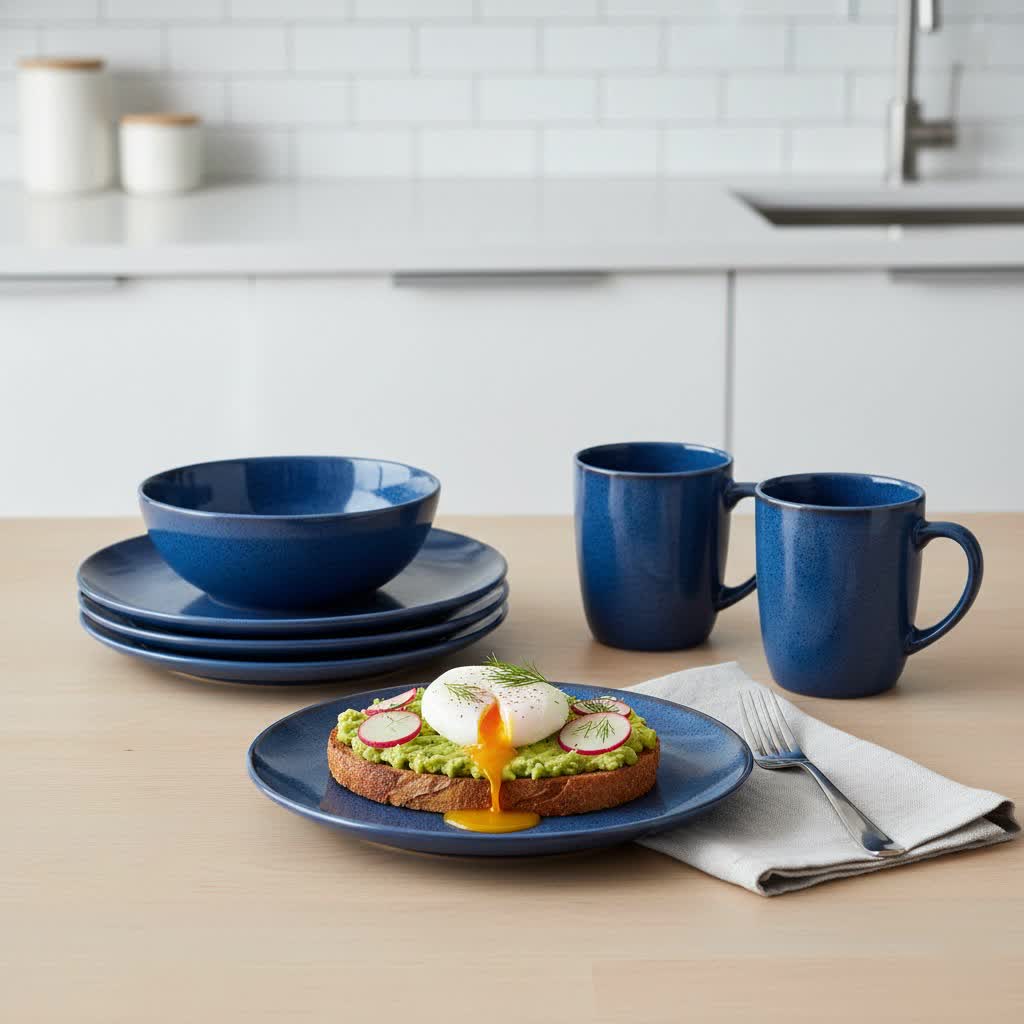
Stepping into the kitchen, you’re surrounded by tools and dinnerware that serve a fundamental purpose in your daily life. Among the myriad choices, ceramic dinnerware stands out, but not all ceramics are created equal. If durability, safety, and enduring beauty are high on your list, understanding the benefits of high-fired ceramics is crucial. This article delves into why high-fired ceramic pieces are not just an option, but a necessity for the modern home, offering unmatched performance that transforms ordinary meals into extraordinary experiences.
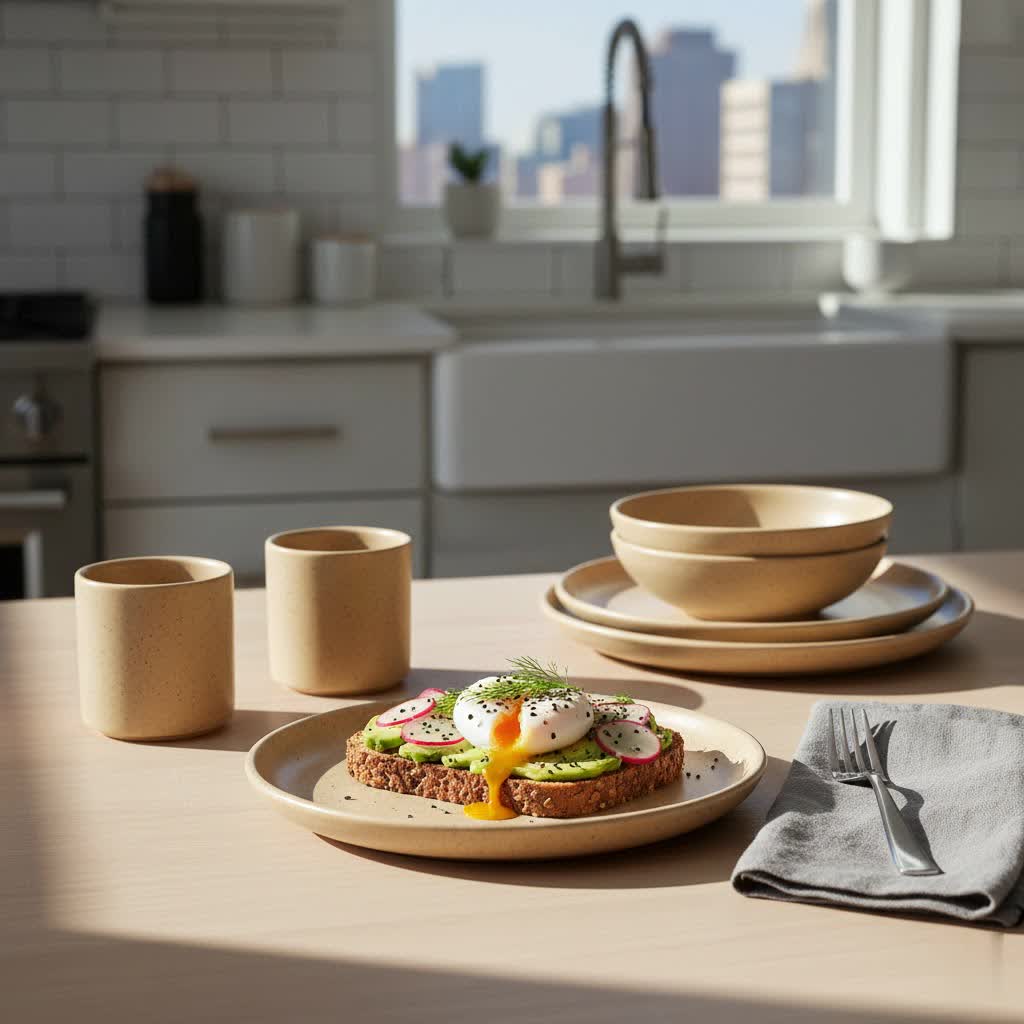
Understanding High-Fired Ceramics
At its core, ceramic production involves shaping clay and then hardening it through intense heat in a kiln. The distinction between “high-fired” and “low-fired” ceramics lies precisely in these temperatures. High-fired ceramics are subjected to extreme heat, typically ranging from 1100°C to 1400°C (or above 2192°F). This intense process fundamentally alters the clay’s molecular structure, resulting in a significantly denser, less porous, and more vitrified material. In contrast, low-fired ceramics, such as earthenware and terracotta, are fired at lower temperatures, generally between 800°C and 1050°C. This lower heat leaves them more porous and consequently, less durable and often not suitable for microwave or dishwasher use without specific glazes.
The Unbeatable Benefits: Why High-Fired Ceramics Excel for Daily Use
Choosing high-fired ceramics for your daily dinnerware brings a host of advantages that directly impact their functionality, longevity, and safety in your home.
Superior Durability and Strength
Table is empty.The intense firing process of high-fired ceramics leads to molecular densification, making the final product remarkably hard and durable. This means your plates, bowls, and mugs are far more resistant to chips, cracks, and everyday impacts than their low-fired counterparts. This inherent strength makes them ideal for the rigors of daily use, whether it’s clattering in the sink or stacking in the cupboard. You invest once in high-quality items that are designed to last for years, standing up to constant handling and washing without showing significant wear and tear.
Exceptional Heat Resistance and Versatility
High-fired ceramics boast excellent thermal properties, making them incredibly versatile for modern kitchen demands. They are generally safe for use in microwaves, ovens, and dishwashers, providing convenience and flexibility. This heat resistance also means they retain heat more effectively, keeping your coffee hotter for longer or your baked dishes warm at the table. Unlike some low-fired options, high-fired pieces are less susceptible to thermal shock, reducing the risk of breakage when transitioning from hot to cold environments, though extreme changes should always be avoided.
Hygienic, Food-Safe, and Stain-Resistant
One of the most critical advantages of high-fired ceramics, especially for dinnerware, is their non-porous nature. The high temperatures vitrify the clay, sealing its surface and preventing the absorption of liquids, food particles, and bacteria. This densified surface makes high-fired ceramics inherently more hygienic and easier to clean. Furthermore, they are less prone to staining, maintaining their pristine appearance even after prolonged contact with colorful foods or beverages. When crafted with non-toxic glazes, high-fired ceramics also offer a safer option for food contact, reducing potential health risks associated with certain materials.
Effortless Maintenance and Cleaning
The smooth, dense surface of high-fired ceramic dinnerware makes cleaning a breeze. Food residues and stains simply wipe away, and most pieces are perfectly safe for dishwasher use. This ease of maintenance saves valuable time and effort in a busy household, allowing you to enjoy your meals without the dread of arduous cleanup. Their resistance to staining also ensures that their aesthetic appeal endures, keeping your dinnerware looking new for longer.
Timeless Beauty and Aesthetic Appeal
High-fired ceramics often develop a distinct texture and luster due to the heat effect during firing. The glazes applied to these pieces can achieve a shiny, consistent, and sophisticated finish, contributing to a premium look and feel. Available in an expansive range of designs, colors, and patterns, high-fired ceramics can complement any home decor, from rustic farmhouses to sleek modern apartments. Their lasting beauty means they won’t quickly fade or dull, continuing to enhance your dining experience for years to come.
Long-Term Value and Sustainability
While the initial investment in high-fired ceramics might be slightly higher than for low-fired alternatives, their extended lifespan offers significant long-term value. Their durability reduces the need for frequent replacements, saving you money in the long run. From a sustainability perspective, choosing durable products that last longer helps minimize waste, making high-fired ceramics a more environmentally conscious choice for your home.
Common Types of High-Fired Ceramics for Your Home
Several popular types of ceramic dinnerware fall under the high-fired category, each with distinct characteristics:
- Stoneware: Fired at high temperatures, stoneware is known for its earthy, robust feel. When properly vitrified and glazed, it is incredibly durable, chip-resistant, and suitable for daily use, often being oven, microwave, and dishwasher safe. Reinforced stoneware, in particular, offers enhanced strength.
- Porcelain: Fired at even higher temperatures, porcelain is non-porous, very strong, and typically white or off-white. It’s often thinner and more translucent than stoneware, offering a refined and elegant appearance while being highly durable and suitable for all daily uses.
- Bone China: This is a type of porcelain incorporating bone ash, which gives it exceptional strength, translucency, and a bright white appearance. Bone china is renowned for its delicate look despite being incredibly chip-resistant, making it a luxurious yet practical choice for everyday dining.
Choosing the Right High-Fired Dinnerware
When selecting high-fired ceramics for your home, consider a few key factors to ensure they meet your daily needs and aesthetic preferences. First, think about your lifestyle: how often do you entertain, and what is your family size? This will help determine the quantity and specific types of pieces you need. Next, consider the style that complements your home decor. Finally, always check the quality of the product. Look for smooth, consistent glaze surfaces free from chips or cracks, and ensure the product is clearly labeled as food-safe, microwave-safe, and dishwasher-safe for optimal daily functionality.
Caring for Your High-Fired Ceramics
While high-fired ceramics are remarkably durable, a little care goes a long way in preserving their beauty and integrity. For cleaning, warm water and mild dish soap are usually sufficient. Avoid abrasive scrubbers or harsh chemical cleaners that could dull the glaze over time. When storing, stack plates carefully, perhaps using felt protectors between pieces to prevent scratching. To minimize the risk of thermal shock, avoid extreme temperature changes, such as placing a hot dish directly into cold water or from the freezer straight into a hot oven.
Conclusion
For the discerning homeowner seeking dinnerware that combines exceptional performance with enduring elegance, high-fired ceramics are the definitive choice. Their superior durability, heat resistance, food safety, and ease of maintenance make them an indispensable part of daily life. By choosing high-fired stoneware, porcelain, or bone china, you’re not just buying plates and bowls; you’re investing in quality, longevity, and a seamless dining experience that elevates every meal. Isn’t it time your dinnerware worked as hard as you do, with a beauty that truly lasts?
Frequently Asked Questions
What makes high-fired ceramics more durable than low-fired alternatives?
High-fired ceramics achieve their superior durability due to the intense heat treatment during firing. This process leads to molecular densification, creating a vitrified, non-porous body that is significantly harder, less prone to chipping and cracking, and more resistant to daily wear and tear compared to softer, more porous low-fired ceramics.
Can high-fired ceramics go in the microwave and dishwasher?
Yes, the vast majority of high-fired ceramics are designed to be microwave and dishwasher safe. The high firing temperatures create a dense, stable material that can withstand repeated exposure to heat and water without degrading, making them incredibly convenient for everyday kitchen use. Always check product labels for specific instructions.
Are high-fired ceramics safer for food than low-fired ceramics?
Generally, yes. High-fired ceramics are less porous, which means they are less likely to absorb liquids, food particles, or harbor bacteria. This non-porous surface, combined with food-safe glazes, significantly reduces health risks and makes them more hygienic for serving and storing food compared to more absorbent low-fired alternatives.
How can I tell if a ceramic item is high-fired?
While it can sometimes be challenging without specific labeling, high-fired ceramics often feel denser, smoother, and heavier for their size than low-fired pieces. They typically have a very consistent, often glossy glaze. If an item is explicitly labeled as stoneware, porcelain, or bone china, it is almost certainly high-fired.
What is the average lifespan of high-fired ceramic dinnerware?
With proper care, high-fired Ceramic Dinnerware can last for many years, often decades. Their inherent durability, resistance to chips, and stable glazes ensure they withstand the rigors of daily use and frequent washing, making them a long-term investment for your home.