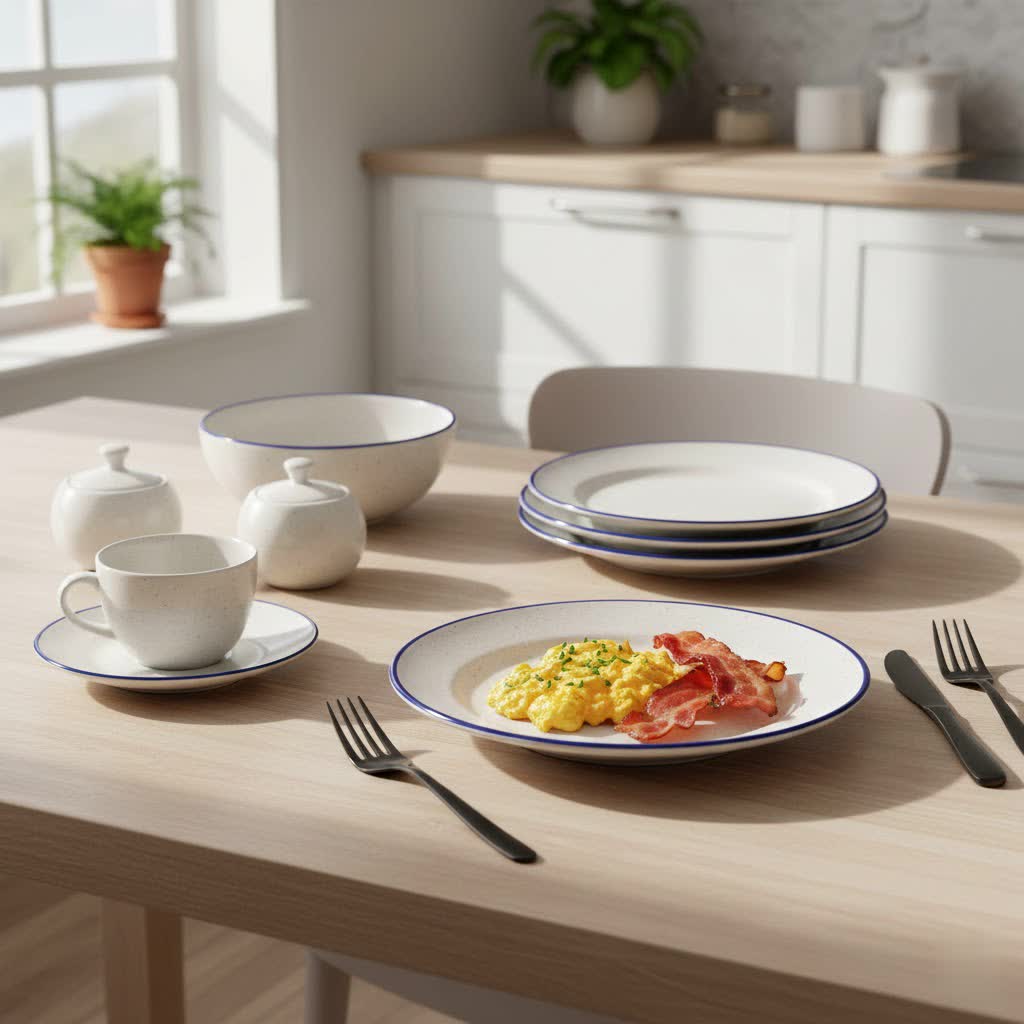
Stepping into a professional kitchen or setting a beautifully curated home table often reveals a silent star: the dinnerware. It’s more than just a vessel for food; it’s a statement of quality, durability, and style. Made In Tableware has emerged as a significant player, particularly with its “The Professional Choice” collection, promising restaurant-grade quality for both culinary experts and home enthusiasts. This article delves deep into what makes Made In Tableware stand out, exploring its materials, design philosophy, and practical applications, helping you understand if it’s the ideal addition to your dining experience.
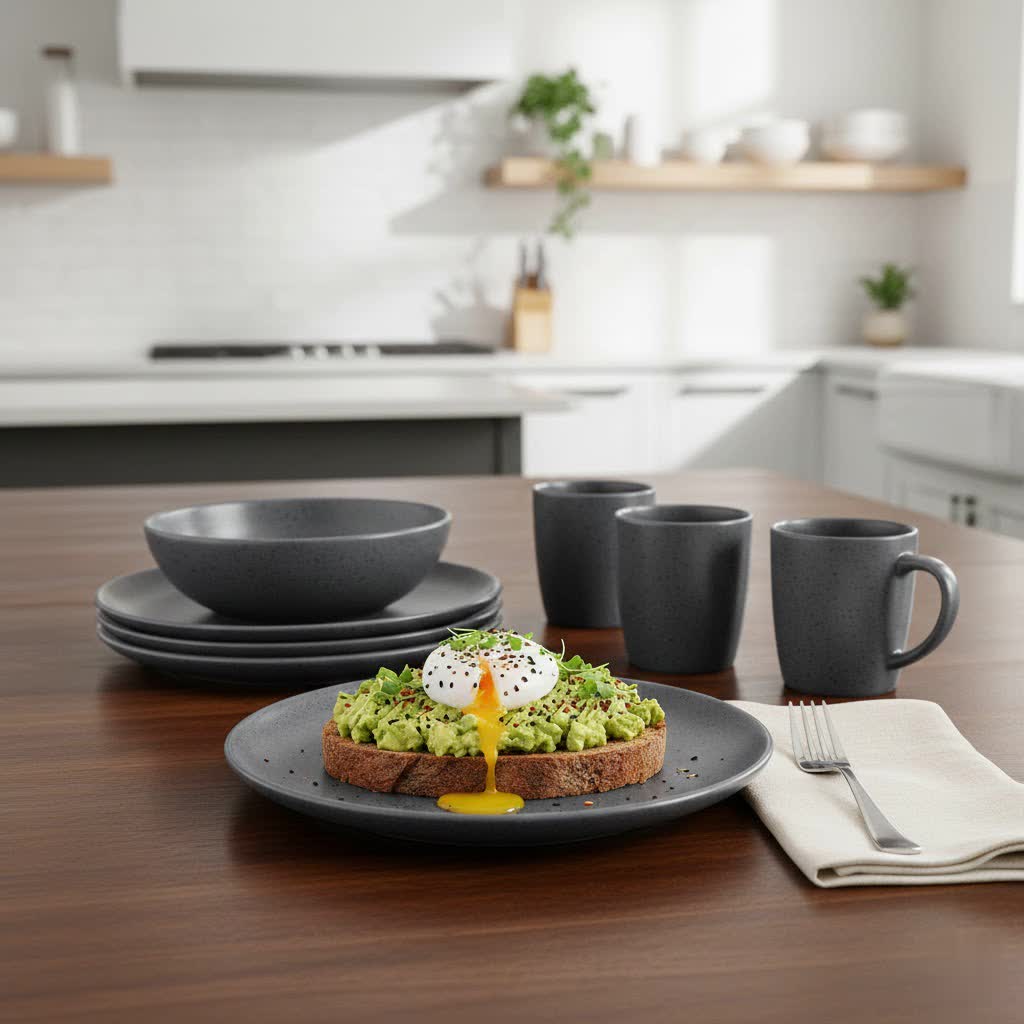
What is Ceramic Dinnerware?
Ceramic dinnerware refers to dishes, plates, bowls, and serving pieces crafted from clay and other natural materials, then fired at high temperatures. The history of ceramics in culinary culture dates back thousands of years, evolving from rudimentary clay pots to the sophisticated and diverse range of dinnerware we see today. Its enduring popularity stems from its versatility, aesthetic appeal, and ability to hold heat, making it a cornerstone of dining across global cultures. The process of making ceramic involves forming the clay, drying it, firing it in a kiln, and often glazing it for aesthetics and functionality.
Popular Types of Ceramic Dinnerware
The world of ceramic dinnerware is rich and varied, with different types offering unique characteristics in terms of durability, appearance, and price point. Understanding these distinctions is crucial when selecting the perfect set for your needs.
Bone China
Table is empty.Bone china is renowned for its exceptional strength and chip resistance, despite its delicate, translucent appearance. It’s made from a mixture of bone ash (typically from cattle), feldspathic material, and kaolin. The high bone ash content gives it a milky white, luminous glaze and makes it the strongest of all ceramic dinnerware types. It’s often considered a premium choice for formal settings. While incredibly durable, it can be more expensive and not all bone china is microwave-safe, so checking care instructions is important.
Stoneware
Stoneware is a dense, durable type of ceramic fired at high temperatures, making it less porous than earthenware. It’s often characterized by its earthy, rustic aesthetic and substantial weight. Stoneware is highly practical for everyday use, offering good resistance to chipping and a robust feel. It’s typically microwave, dishwasher, and oven safe, making it a versatile option for modern households. Its ability to retain heat well also makes it excellent for serving warm dishes.
Earthenware
Earthenware is one of the oldest and most traditional forms of pottery, fired at lower temperatures than stoneware or porcelain. This results in a more porous material that is typically thicker and heavier. It often features vibrant glazes and a handcrafted feel, but it is generally less durable and more prone to chipping and cracking than other ceramic types. Earthenware needs to be glazed to be watertight and is usually not suitable for high heat in the oven or microwave unless specifically stated.
Porcelain
Porcelain, often referred to as “china,” is a high-fired ceramic known for its strength, non-porous surface, and often bright white or off-white appearance. It achieves a fine, glass-like finish through its high firing temperature and specific clay composition (kaolin, feldspar, and quartz). Porcelain is a balance of elegance and practicality, suitable for both everyday use and formal occasions. It’s highly durable, resistant to chips and scratches, and typically microwave, dishwasher, and oven safe, similar to stoneware but often with a more refined look. Made In’s plateware, being fully vitrified ceramic with high alumina content, falls into a category of high-quality porcelain or stoneware designed for enhanced strength.
Advantages and Disadvantages of Ceramic Dinnerware
Ceramic dinnerware offers a blend of beauty and functionality, but like any material, it comes with its own set of pros and cons.
Advantages:
- High Aesthetic Appeal: Available in a vast array of designs, colors, and finishes, ceramic dinnerware can elevate any dining experience, from minimalist to ornate.
- Health Safety: High-quality ceramic dinnerware, especially when certified, is non-toxic and safe for food contact, free from harmful chemicals like lead or cadmium.
- Easy to Clean and Maintain: Most ceramic types are dishwasher-safe, and their non-porous surfaces (especially when glazed) prevent food odors and stains from lingering.
- Excellent Heat Retention: Ceramic materials can keep food warm for longer periods, which is a significant advantage for meals.
- Versatility: Many ceramic pieces are microwave, oven, and freezer safe, offering convenience for cooking, reheating, and storing food.
Disadvantages:
- Fragility: Despite improvements in durability, ceramic dinnerware is inherently prone to breaking or chipping if dropped or subjected to strong impacts.
- Potential for Scratches: While many are scratch-resistant, some softer ceramic types or certain glazes can show signs of wear over time from cutlery.
- Cost: High-quality or artisan ceramic dinnerware can be more expensive than alternatives like melamine or glass.
- Weight: Some ceramic types, particularly stoneware, can be quite heavy, which might be a consideration for daily handling.
Comparison Table of Popular Ceramic Dinnerware Types
| Type of Ceramic | Advantages | Disadvantages | Durability | Price Range |
|---|---|---|---|---|
| Bone China | Lightweight, thin, exceptionally strong, translucent | More delicate appearance, often hand-wash recommended | Very High | High |
| Stoneware | Durable, robust, good heat retention, rustic aesthetic | Heavier, can be more prone to chipping if unglazed | High | Medium |
| Earthenware | Affordable, diverse designs, handcrafted feel | More porous, less durable, prone to chipping/cracking | Low | Low |
| Porcelain | Strong, non-porous, versatile, elegant | Can be expensive for high-quality sets | High | Medium-High |
Guide to Choosing Made In Tableware
Selecting the right Made In Tableware set involves considering your lifestyle, dining habits, and aesthetic preferences. Made In specifically focuses on highly durable, professional-grade ceramic.
Determine Your Usage Needs:
- Family Size: Consider how many place settings you need for daily meals and entertaining. Made In offers individual pieces and bundles.
- Frequency of Use: For daily use, prioritize durability and ease of care (dishwasher, microwave safe). Made In’s vitrified ceramic is designed for this.
- Dining Style: Their minimalist aesthetic suits both casual family meals and sophisticated dinner parties, especially with optional colored rims.
Selecting the Right Made In Ceramic Type:
Made In’s plateware is crafted from fully vitrified ceramic with high alumina content. This unique blend contributes to its strength, chip resistance, and heat retention. This manufacturing process, firing the plates to the boiling point and then in a kiln, results in a smooth, glass-like surface and eliminates pores, making them hygienic and exceptionally strong. This material choice aligns closely with the qualities of high-end porcelain or durable stoneware, emphasizing longevity and performance.
Checking Product Quality:
When evaluating Made In Tableware, look for:
- Smooth Glaze: The surface should be impeccably smooth and free from imperfections, reflecting their vitrification process.
- Uniform Color: Ensure consistent color throughout the piece. Made In typically offers all-white or options with red/navy rims, known for their uniformity.
- Sound Test: Gently tap the edge of a plate; a clear, resonant sound indicates a well-fired piece. Made In’s dense, high-quality ceramic should produce a good sound.
- “Beauty Marks”: Made In acknowledges that their handmade process may result in slight imperfections, which they term “beauty marks.” These are not defects but rather a testament to their artisanal production in Stoke-On-Trent, England.
Purchasing from Reputable Sources:
Always purchase Made In Tableware directly from their official website or authorized retailers to ensure authenticity and access to their customer support and warranty.
How to Clean and Care for Made In Tableware
Proper care extends the life and maintains the pristine appearance of your Made In Tableware. Their products are designed for durability and ease of maintenance, reflecting their “professional choice” ethos.
Cleaning:
- Gentle Washing: Most Made In ceramic pieces are dishwasher safe. For hand washing, use warm water and mild dish soap.
- Avoid Harsh Cleaners: Steer clear of abrasive pads, steel wool, or harsh chemical detergents that can scratch the glaze. Use a soft sponge or cloth.
- Stain Removal: For any persistent marks, a baking soda paste can often gently lift stains without damaging the surface.
Storage:
- Stack Carefully: When stacking plates and bowls, place soft cloth or paper towel between each piece to prevent scratches and chips, especially if stacking frequently.
- Avoid Sudden Temperature Changes: While Made In tableware is designed to be versatile (oven safe up to 572°F, freezer, microwave, and dishwasher safe), extreme and rapid temperature shifts can still stress ceramic. Allow hot dishes to cool slightly before placing them in the freezer, and vice-versa.
- Prevent Impacts: Store dishes in a stable location where they are less likely to be bumped or fall.
Renowned Brands in Ceramic Dinnerware
While this article focuses on Made In Tableware, it’s worth noting other reputable brands that offer high-quality ceramic dinnerware, such as Fable, Heath Ceramics, and Fortessa. These brands often specialize in different aesthetics or material compositions, providing a wide range of options for consumers. Made In, however, distinguishes itself with its focus on restaurant-grade durability and a minimalist, timeless design, crafted in Stoke-On-Trent, the “World Capital of Ceramics.” Their commitment to high alumina content and vitrified ceramic ensures their pieces are robust enough for continuous professional use, yet elegant for any home setting.
“Made In’s approach to tableware bridges the gap between commercial kitchen resilience and home dining elegance, providing pieces that withstand the rigors of daily use without compromising on sophisticated design.” – Chef Antoine Dubois, Culinary Director at The Gilded Spoon Restaurant
Conclusion
Made In Tableware, particularly its “Professional Choice” collection, stands out as an excellent investment for anyone seeking durable, aesthetically pleasing, and highly functional Ceramic Dinnerware. With its roots in traditional ceramic craftsmanship from Stoke-On-Trent, England, and a modern focus on fully vitrified, high-alumina ceramic, these pieces are built to last and designed to impress. From its minimalist design to its impressive versatility across oven, microwave, freezer, and dishwasher, Made In Tableware truly offers restaurant-quality performance and timeless style for every meal.
Considering the longevity and versatility, what dining experiences will Made In Tableware elevate in your home?
Frequently Asked Questions
What makes Made In Tableware “The Professional Choice”?
Made In Tableware is considered “The Professional Choice” due to its restaurant-grade durability, high-quality fully vitrified ceramic with alumina content for strength and chip resistance, and its ability to withstand constant use in demanding culinary environments. It is designed to be highly functional, easy to clean, and versatile for various cooking and serving needs.
Is Made In Tableware safe for dishwashers, microwaves, and ovens?
Yes, Made In Tableware is designed for maximum convenience. All pieces are safe for use in the dishwasher, microwave, and freezer. They are also oven safe up to 572°F (300°C), making them incredibly versatile for cooking, reheating, and serving.
Where is Made In Tableware manufactured?
Made In Tableware’s ceramic plateware collection is proudly crafted in Stoke-On-Trent, England, a city renowned as the “World Capital of Ceramics.” This ensures adherence to traditional craftsmanship combined with modern, high-quality manufacturing techniques.
What material is Made In Tableware made from?
Made In Tableware is made from high-quality ceramic, specifically a fully vitrified material with a high alumina content. This composition is key to its strength, chip resistance, smooth finish, and excellent heat retention properties.
What is the design aesthetic of Made In Tableware?
Made In Tableware features a clean, simple, and minimalist design, predominantly in all-white, with options for red or navy rims. This timeless and understated aesthetic allows the food to be the star and ensures the dinnerware complements any table setting or decor.