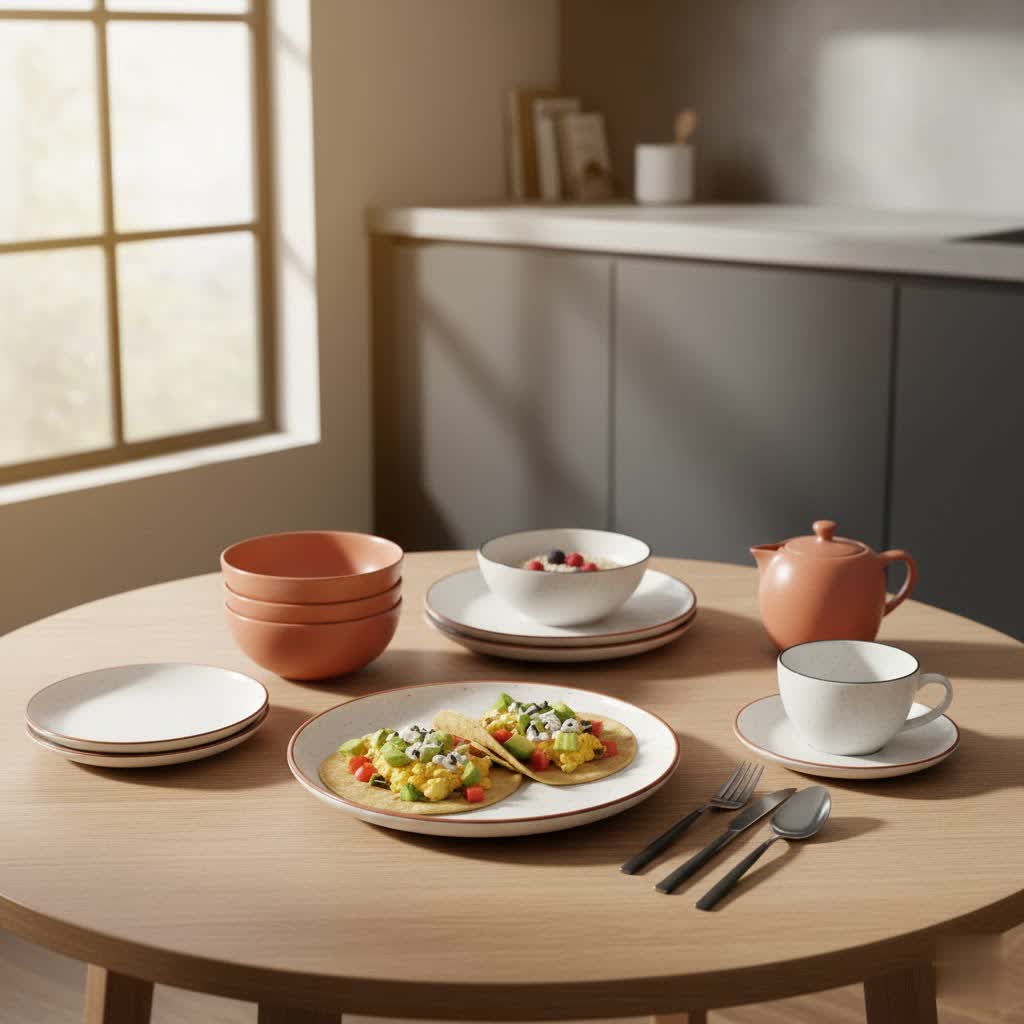
Choosing the perfect dinnerware can often feel like an overwhelming task amidst a sea of options. You want pieces that not only complement your home’s aesthetic but also stand up to the rigors of daily life. Among the most popular and enduring choices are porcelain and stoneware, each with unique characteristics that cater to different needs and preferences. This comprehensive guide will delve into the nuances of porcelain and stoneware, offering a detailed comparison to help you make an informed decision for your dining experience.
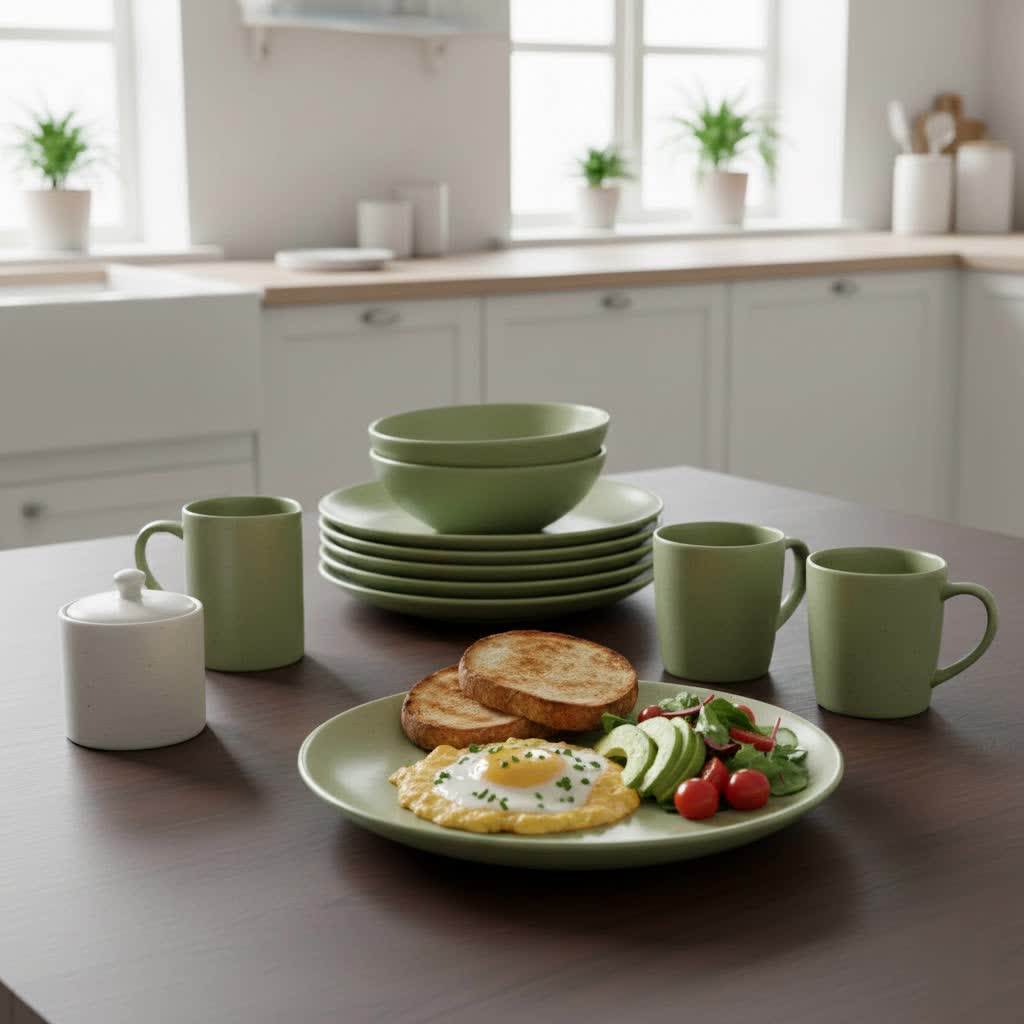
What is Ceramic Dinnerware?
Ceramic dinnerware refers to tableware made from clay or other raw materials, which are then shaped and hardened by heat in a kiln. This broad category includes various materials, such as earthenware, stoneware, and porcelain, each distinguished by its specific composition and firing temperature. The art of crafting ceramic dinnerware boasts a rich history, with pieces found dating back thousands of years, evolving from basic functional items to intricate artistic expressions that grace tables worldwide.
Understanding Porcelain Dinnerware
Porcelain is a highly refined type of ceramic, renowned for its delicate appearance coupled with exceptional strength. It is primarily crafted from kaolin clay, a fine-particle clay, often blended with feldspar and silica. This mixture is fired at extremely high temperatures, typically ranging from 2,200 to 2,600°F (1,200 to 1,400°C). This intense heat causes the materials to vitrify, meaning they become dense, hard, and non-porous, resulting in a smooth, glass-like surface. The origins of porcelain can be traced back to ancient China, where it was first developed around 600 AD, captivating the world with its unparalleled elegance and durability.
One notable variation is Bone China, which incorporates bone ash into the porcelain mixture. This addition further enhances its strength, translucency, and gives it a distinctive creamy white hue, making it particularly prized for its luxurious feel and delicate aesthetic.
Understanding Stoneware Dinnerware
Stoneware is another popular type of ceramic dinnerware, characterized by its hearty, robust nature. It is typically made from a blend of natural clay soil and various minerals like quartz or feldspar. Unlike porcelain, stoneware uses a coarser grain clay and is fired at slightly lower, but still high, temperatures, usually between 2,150 to 2,330°F (1,177 to 1,277°C). This firing process results in a dense, opaque, and durable material. While stoneware is inherently less porous than earthenware, it is almost always finished with a glaze, which vitrifies during a second firing to create an impermeable, food-safe surface. This glazing makes stoneware resistant to stains and liquids, much like porcelain.
Porcelain vs. Stoneware: A Detailed Comparison
When it comes to outfitting your kitchen, understanding the fundamental differences between porcelain and stoneware is crucial for making the best choice. While both offer durable and attractive options, their distinct qualities cater to varying lifestyles and dining preferences.
Aesthetics and Style
- Porcelain often presents a bright, crisp, and elegant aesthetic. Its typically white or off-white color and smooth, glossy finish make it a favored choice for formal dining settings or those seeking a minimalist look. High-quality porcelain can even exhibit a subtle translucency when held against light, adding to its refined appeal.
- Stoneware generally boasts a more rustic, earthy charm. It comes in a broader palette of natural tones—from browns and grays to speckled and matte finishes. Stoneware often features reactive glazes that create unique patterns and textures, giving each piece a handcrafted feel that suits casual, cozy, or bohemian dining styles.
Durability and Chip Resistance
- Porcelain is renowned for its exceptional hardness and density due to its high firing temperature and vitrified body. It is highly resistant to scratching and is considered one of the strongest ceramic options available. However, its thinner construction, particularly around rims, can make it susceptible to chipping if it’s knocked against hard surfaces or dropped directly.
- Stoneware, with its thicker walls and coarser grain clay, often feels more substantial and is generally more resistant to chipping from everyday bumps and handling. Its robust build makes it a resilient choice for busy households or those with children, where minor impacts are common.
Weight and Feel
- Porcelain dinnerware is typically lighter and thinner. This characteristic allows it to stack neatly and compactly, making it an excellent choice for smaller kitchens or those looking to maximize cabinet space.
- Stoneware has a heavier, more solid feel in the hand due to its thicker construction. While this provides a comforting, planted sensation, it means stoneware pieces occupy more cabinet space and can be heavier to lift.
Heat Retention
- Porcelain tends to warm up and cool down relatively quickly. This makes it ideal for dishes that are served immediately or for chilled desserts and salads.
- Stoneware’s thicker and denser body excels at retaining heat, keeping meals like soups, stews, and casseroles warmer for longer periods at the dining table. This quality is particularly appreciated for leisurely meals or dishes meant to be served hot.
Microwave, Oven, and Dishwasher Safety
Both porcelain and stoneware dinnerware are generally safe for use in the microwave, oven, and dishwasher, provided they are explicitly labeled as such by the manufacturer. It is critical to always check product labels, as metallic trims or certain decorative glazes can render items unsafe for microwave use. A key consideration for both materials is to avoid thermal shock—sudden and extreme changes in temperature (e.g., placing a fridge-cold dish directly into a hot oven or rinsing a hot plate with cold water). Gradual temperature transitions help prevent cracking and extend the lifespan of your dinnerware.
Care and Maintenance
- Porcelain’s non-porous and smooth surface makes it incredibly easy to clean. It resists absorbing liquids, stains, and odors, ensuring that even vibrant sauces and curries can be wiped away without leaving a trace.
- Stoneware, when properly glazed and vitrified, is also easy to clean and stain-resistant. However, if any unglazed areas exist or if the glaze is compromised, its slightly coarser grain could potentially be more susceptible to staining or trapping food particles.
Price and Value
- Porcelain dinnerware, especially fine, thin-walled, or intricately decorated pieces, often falls into a higher price bracket due to its refined materials and meticulous production process. It’s often considered an investment for those seeking long-lasting elegance.
- Stoneware generally offers a more budget-friendly entry point for everyday dinnerware sets. Its affordability does not compromise its functionality or charming appearance, making it an accessible option for a wider range of consumers.
Comparison Table
| Feature | Porcelain | Stoneware |
|---|---|---|
| Look & Style | Bright, crisp, elegant, sometimes translucent | Earthy, rustic, matte/reactive glazes, opaque |
| Hand Feel & Weight | Lighter, thinner walls, delicate | Heavier, thicker walls, solid feel |
| Durability & Chip Resistance | Dense, hard; thin rims can chip if knocked | Thicker, robust; generally handles bumps better |
| Heat Retention | Warms/cools faster | Stays warm longer |
| Cleaning & Stain Resistance | Very low absorption, smooth, easy to clean | Vitrified and glazed, cleans easily |
| Storage & Stacking | Stacks slim, saves cabinet space | Needs more shelf space, bulkier |
| Price Range | Wide range; fine/decorated pieces cost more | Many budget-friendly everyday sets |
| Best For | Formal look, small kitchens, lighter lifting | Family daily use, cozy serving, casual tables |
Choosing the Right Dinnerware for Your Home
Selecting between porcelain and stoneware ultimately comes down to your personal priorities, lifestyle, and aesthetic vision for your dining space.
Consider Your Lifestyle
- For busy families or everyday use: Stoneware’s robust nature and thicker rims tend to withstand the knocks and bumps of daily life, especially in households with children. Its ability to retain heat also keeps food warm longer, which can be convenient for family meals.
- For formal occasions or entertaining: Porcelain’s refined elegance and polished finish lend themselves beautifully to more sophisticated settings. Its lighter weight and ability to stack compactly can also be a benefit for those who entertain frequently but have limited storage.
- For lighter lifting and compact storage: Porcelain is typically lighter and takes up less cabinet space, making it ideal for smaller kitchens or for individuals who prefer lighter dishes.
Evaluate Your Aesthetic Preference
- If you gravitate towards a bright, clean, and classic look, porcelain’s crisp whites and smooth finishes will likely appeal to you.
- If you prefer a natural, handcrafted, and cozy ambiance, stoneware’s earthy tones and unique glazes can add warmth and character to your table.
Practical Considerations
- Budget: Stoneware often provides excellent value for money, with many durable and attractive sets available at a more accessible price point. Porcelain can range from everyday options to significant investments for premium collections.
- Weight: Consider if you prefer lighter plates that are easy to handle and stack, or heavier, more substantial pieces that feel grounded.
- Cabinet Space: Measure your cabinet space and consider how different dinnerware types will fit. Porcelain’s slimmer profile can be a space-saver.
“The ideal dinnerware isn’t about one material being inherently ‘better,’ but rather which material best aligns with your daily habits, design preferences, and the practical demands of your home.” – Anna Nguyen, Ceramic Dinnerware Expert
Quality Check
Regardless of your choice, always inspect dinnerware before purchasing. Look for:
- Smooth, even glaze: Ensure there are no chips, cracks, or rough spots.
- Consistent color: Check for uniform color application across all pieces.
- Sound test (for porcelain): Gently tap the edge of a porcelain plate; a clear, ringing sound often indicates good quality.
- Reputable Retailers: Purchase from stores with clear return policies and a reputation for quality products.
Caring for Your Dinnerware
Proper care extends the life and beauty of both porcelain and stoneware.
- Washing: Hand wash with warm water and mild dish soap using a soft sponge or cloth. For dishwasher-safe items, follow manufacturer instructions and avoid abrasive detergents.
- Avoid harsh cleaners: Steer clear of steel wool or scouring pads, as these can scratch glazes.
- Storage: Stack plates carefully, ideally with felt or cloth protectors between each piece to prevent scratches and chips.
- Prevent thermal shock: Allow dishes to come to room temperature before placing them in a hot oven or washing hot items with cold water.
Conclusion
Both porcelain and stoneware dinnerware offer unique advantages, making them cherished choices for various dining experiences. Porcelain, with its refined elegance, lightness, and exceptional hygiene, is often favored for formal settings and compact storage. Stoneware, on the other hand, provides a robust, earthy charm, superior heat retention, and excellent chip resistance for everyday family meals. Your ultimate decision hinges on a balance of your aesthetic preferences, practical needs, and how you intend to use your dinnerware. By considering these factors, you can confidently select the Ceramic Dinnerware that will beautifully serve your home for years to come.
Which material will best tell the story of your culinary adventures and gatherings?
Frequently Asked Questions
Is stoneware microwave safe?
Yes, stoneware is generally microwave-safe if indicated by the manufacturer’s label. Always avoid items with metallic trims and prevent sudden temperature changes (thermal shock) by allowing items to reach room temperature before heating.
Is porcelain more chip-resistant than stoneware?
Not necessarily by default. While porcelain is very hard, its thinner design, especially around the rims, can make it prone to chipping upon impact. Stoneware often features thicker, more rounded rims that provide better resistance to everyday bumps, making its chip resistance often superior for casual use.
Which is better for everyday use?
Both can be excellent for everyday use, depending on your priorities. Stoneware’s thicker build and robust nature are forgiving for busy kitchens and frequent handling, while porcelain’s lighter weight and compact stacking are ideal for smaller kitchens and easy lifting. Choose lines labeled dishwasher-safe and, if possible, “chip-resistant.”
Can porcelain/stoneware go in the oven?
Only if explicitly stated as oven-safe by the manufacturer. Always adhere to temperature limits, avoid direct flame or broiler exposure, and prevent thermal shock by allowing cold items to warm up gradually before heating and hot items to cool down slowly.
Which is safer for families with children?
Both materials can be safe when used as intended. For children, stoneware’s thicker, rounded rims offer better protection against chipping from drops and bumps. Porcelain is lighter and easier for small hands to handle. Consider reinforced rims and forego metallic trims if microwaving often.