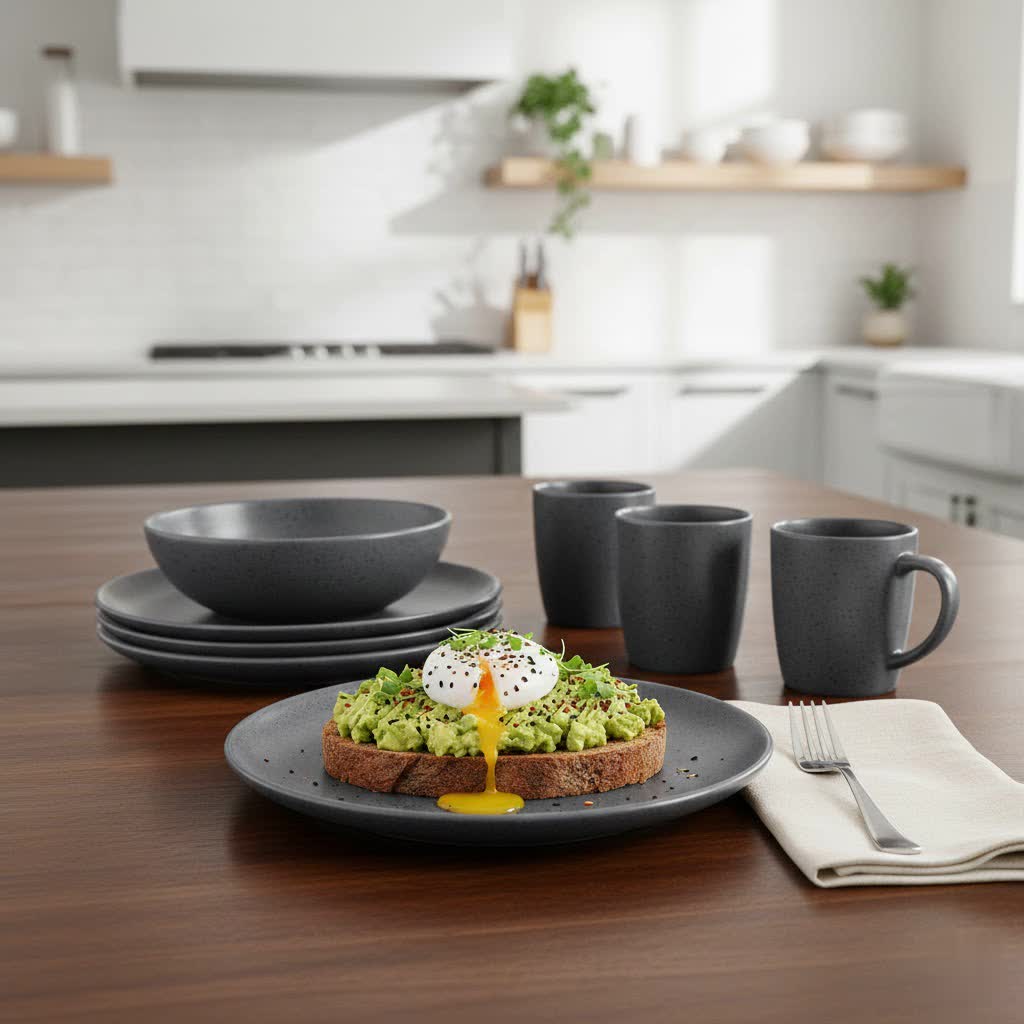
Ceramic dinnerware brings a touch of timeless elegance and warmth to any dining table, making every meal feel a bit more special. From rustic stoneware to refined porcelain, these pieces are cherished for their beauty and durability. However, without proper care and thoughtful storage, your beloved ceramic dishes can quickly succumb to unsightly scratches and chips, diminishing their allure. This comprehensive guide will equip you with the essential knowledge and practical tips to store your ceramic dinnerware effectively, ensuring it remains pristine and beautiful for years to come.
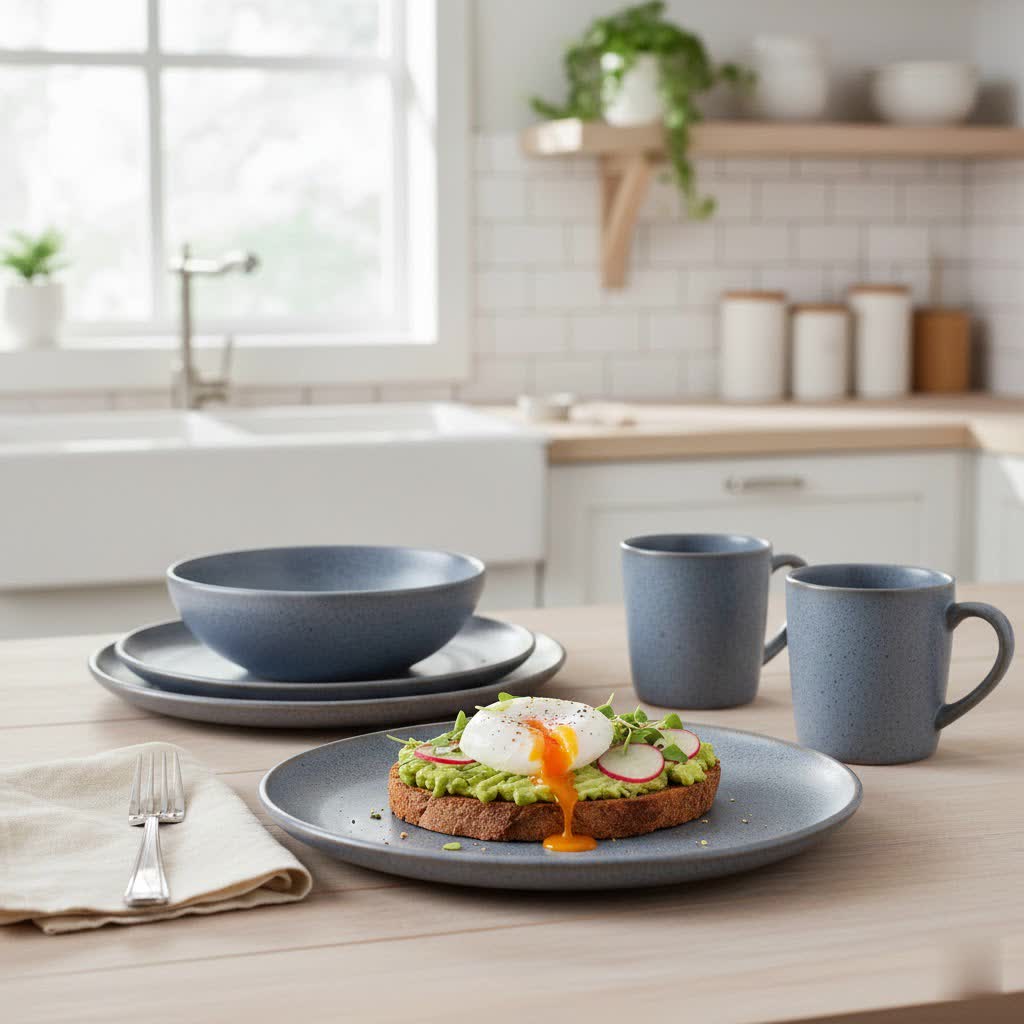
What is Ceramic Dinnerware?
Ceramic dinnerware encompasses a broad category of tableware crafted from clay and fired at high temperatures. This ancient art form has evolved over millennia, yielding various types of ceramics, each with distinct characteristics. Historically, ceramics have played a crucial role in culinary traditions worldwide, prized for their ability to hold heat, their diverse aesthetic appeal, and their durability. Modern ceramic dinnerware continues this legacy, offering both everyday functionality and exquisite design, making it a popular choice for homes globally.
Why Does Ceramic Dinnerware Scratch?
Understanding why ceramic dinnerware scratches is the first step in preventing damage. While ceramics are generally robust, their glazed surfaces are not entirely invincible. The most common culprits behind scratches include improper stacking, where the rough unglazed foot of one plate grinds against the glazed surface of another. Abrasive cleaning tools or harsh detergents can also erode the protective glaze over time, making the surface more susceptible to scratching. Even everyday metal utensils can leave behind gray marks that, while sometimes removable, indicate surface abrasion. Accidental impacts or sliding dishes across hard surfaces further contribute to wear and tear, compromising the dinnerware’s pristine condition.
Essential Tips for Storing Ceramic Dinnerware to Prevent Scratches
Preserving the beauty of your ceramic dinnerware requires a strategic approach to storage. By implementing a few simple yet effective techniques, you can significantly reduce the risk of scratches and extend the life of your cherished collection.
1. The Right Storage Location
Table is empty.Choosing an appropriate storage location is fundamental. Opt for cabinets or shelves that are stable, level, and free from excessive vibration. Avoid storing delicate pieces in high-traffic areas where they might be easily bumped or knocked. Ensure the storage area is dry and dust-free to prevent environmental damage and the accumulation of abrasive particles. For optimal safety, always place heavier pieces on lower shelves to minimize the risk of accidents from top-heavy stacks. Lining shelves with non-slip mats or soft fabric can provide an extra layer of cushioning and prevent dishes from shifting.
2. Utilizing Plate Dividers and Protectors
Plate dividers are perhaps the most effective tool in preventing scratches. These soft barriers create a protective layer between stacked dishes, eliminating direct contact between abrasive surfaces. You can find purpose-made felt, foam, or silicone dividers specifically designed for dinnerware. For a more budget-friendly or immediate solution, soft cloths, paper towels, coffee filters, or even acid-free tissue paper can serve as excellent makeshift separators. Always ensure these dividers are clean and dry before use to avoid trapping dirt or moisture between your dishes.
3. Proper Stacking Techniques
While vertical storage is often ideal, sometimes stacking is unavoidable. When stacking, never pile dishes too high, as this creates excessive pressure on the bottom pieces, increasing the risk of both scratches and breakage. Aim for stacks of no more than six to eight plates. Always place plate protectors or dividers between each item. It’s also wise to sort your dinnerware by size and type, stacking similar items together. Heavier, sturdier pieces should form the base of any stack, with lighter items on top.
4. Specialized Storage Solutions
For those seeking more organized and protective storage, several specialized solutions are available. Plate racks, whether for vertical or horizontal storage, are excellent for keeping plates separated and easily accessible. Vertical racks prevent the direct contact and downward pressure associated with stacking, making them ideal for frequently used dishes or display. Drawer inserts designed to hold plates securely can also be a game-changer for keeping items in place and preventing movement-induced scratches. For seasonal or rarely used sets, padded storage cases or “dish pack” boxes offer superior protection, often with individual compartments.
5. Cleaning Before Storage
It might seem obvious, but ensuring your ceramic dinnerware is thoroughly clean and dry before storage is critical. Any leftover food residue, grease, or gritty particles can become abrasive agents when dishes are stacked, leading to scratches. Wash your dinnerware with mild soap and warm water, using a soft sponge or cloth. After washing, dry each piece completely with a lint-free towel. This prevents water spots and ensures no moisture is trapped, which could potentially foster mildew or weaken the glaze over time.
6. Handling with Care
Beyond storage, conscious handling during daily use significantly contributes to preventing scratches. Always handle ceramic dishes gently, avoiding sudden impacts or clinking them against other hard surfaces like sinks or countertops. When placing dishes on a table, consider using placemats or coasters to protect both the dinnerware and your furniture. Be mindful of how you place and remove items from dishwashers or drying racks, ensuring they don’t scrape against metal prongs or other dishes.
Comparison of Storage Methods
Choosing the right storage method depends on your specific needs, the type of dinnerware you own, and your available space.
| Method | Pros | Cons | Ideal For |
|---|---|---|---|
| Plate Dividers | Cost-effective, easy to use, versatile, flexible for mixed sets | Can shift, less stable for very tall stacks | Everyday dishes, mixed sets, preventing basic abrasion |
| Plate Racks (Vertical) | Excellent stability, easy access, prevents direct contact | Can be bulky, requires specific cabinet height/depth | Uniform sets, large platters, frequently used items |
| Padded Storage Cases | Superior protection for long-term storage or moving, dust-free | Takes up more space, less convenient for daily access | Seasonal sets, delicate china, moving |
| Drawer Inserts | Keeps items secure and organized, prevents movement | Requires specific drawer dimensions, limited capacity | Everyday dishes, keeping stacks low and tidy |
Choosing the Best Storage for Your Collection
Selecting the optimal storage solution involves evaluating your unique circumstances. Consider the size and shape of your ceramic dinnerware: do you have large platters, deep bowls, or standard plates? How frequently do you use your different sets—daily, weekly, or only for special occasions? Your available storage space, whether it’s deep cabinets, shallow drawers, or open shelving, will also dictate your options. Finally, consider your aesthetic preferences; some prefer hidden storage, while others like to display their beautiful ceramics. A combination of methods might be the most practical approach for a diverse collection.
Beyond Storage: Preventing Scratches in Daily Use
Preventing scratches extends beyond how you store your dinnerware. During daily use, always opt for gentle washing techniques, whether by hand or in a dishwasher (if your ceramics are dishwasher-safe). Avoid harsh, abrasive scrubbers or steel wool, which can damage the glaze. When serving, consider using non-metal utensils made from wood or silicone, as metal cutlery can sometimes leave marks or microscopic scratches. By being mindful of these practices, you reinforce the longevity and pristine appearance of your ceramic pieces.
Proper storage is an investment in the longevity and beauty of your ceramic dinnerware. By implementing these simple yet effective strategies, you can safeguard your cherished pieces from scratches, chips, and wear, ensuring they continue to grace your table with elegance for many years. A little care goes a long way in preserving the timeless appeal of your ceramic collection.
What steps will you take today to protect your beautiful ceramic dinnerware?
Frequently Asked Questions
What can I use if I don’t have plate dividers?
If you don’t have specialized plate dividers, you can easily use household items like soft felt, cloth napkins, paper towels, coffee filters, or even thin sheets of clean cardboard cut to size. These materials provide a protective barrier between stacked dishes, preventing abrasive contact.
Is it better to stack ceramic plates vertically or horizontally?
Generally, storing ceramic plates vertically in a plate rack is preferred as it eliminates direct downward pressure and friction between surfaces, significantly reducing the risk of scratches and chips. If stacking horizontally, always use protective dividers between each plate.
How many ceramic plates can I safely stack?
To prevent excessive weight and pressure, it’s recommended to stack no more than six to eight ceramic plates with dividers in between each. Tall stacks increase the risk of instability, breakage, and pressure-induced scratches on the bottom plates.
Can old ceramic dinnerware be more prone to scratching?
Yes, older ceramic dinnerware, especially if the glaze has worn down or developed microscopic cracks over time, can be more susceptible to scratching. Proper care and gentle handling become even more crucial for vintage or antique pieces.
What causes gray marks on ceramic dinnerware?
Gray marks on Ceramic Dinnerware are typically caused by metal utensils or cutlery scraping against the surface. These are often microscopic metal deposits rather than true scratches in the ceramic, but they indicate surface abrasion and can sometimes be buffed out with a gentle cleaner.