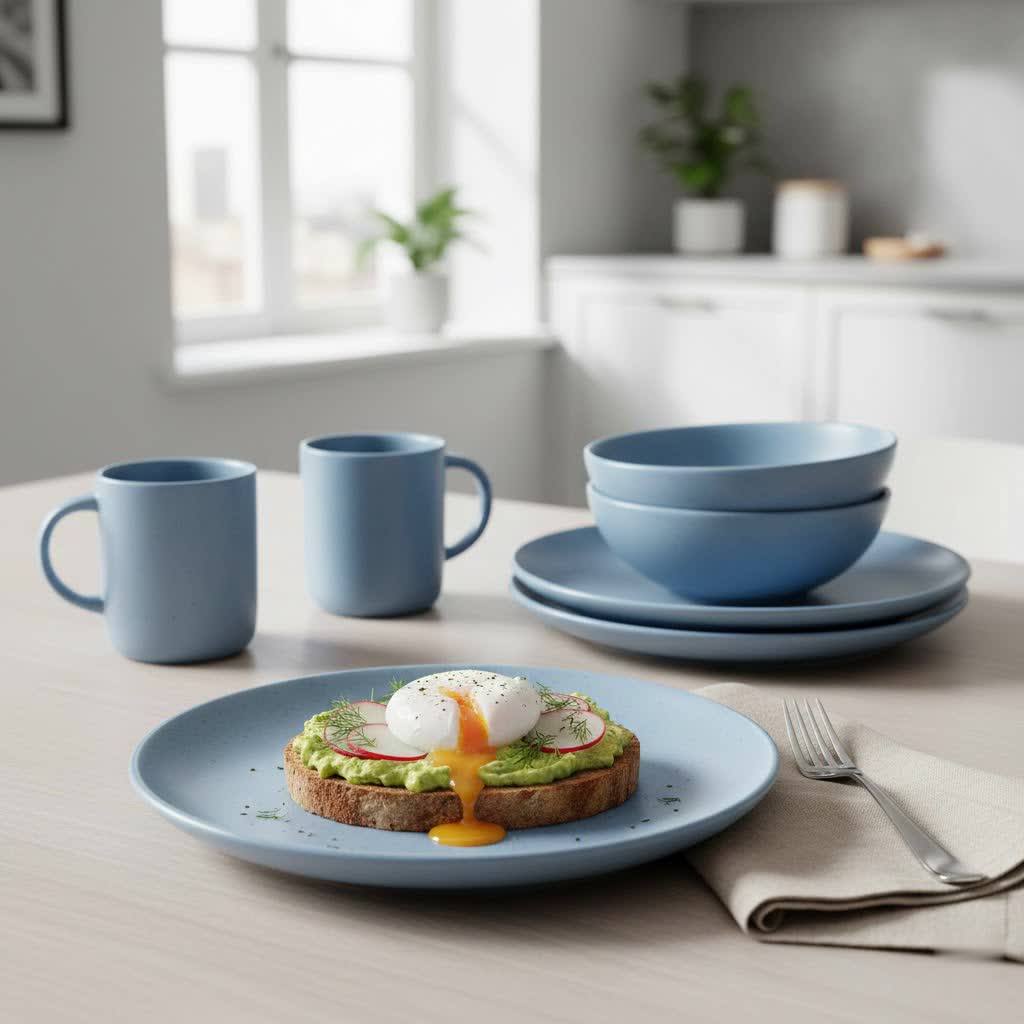
Deep kitchen drawers offer unparalleled storage potential, yet they often become chaotic spaces, especially when housing heavy and often bulky stoneware dinnerware. The challenge isn’t just about fitting everything in; it’s about creating a system that’s safe, accessible, and protects your cherished stoneware from chips and cracks. With the right strategies and tools, you can transform these deep spaces into highly efficient and visually pleasing storage solutions, ensuring your heavy stoneware is always within easy reach and perfectly preserved.
What is Stoneware Dinnerware?
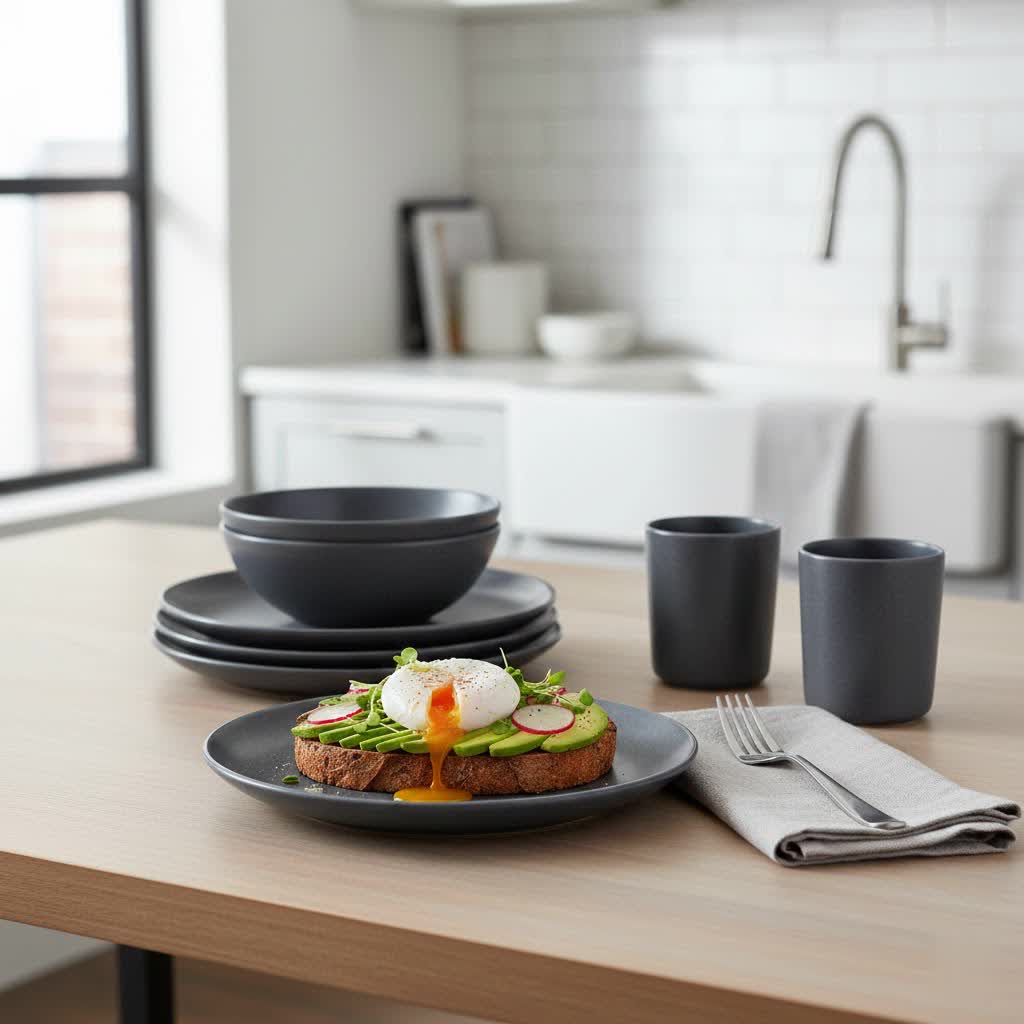
Stoneware dinnerware is a popular choice for many homes, known for its rustic charm, durability, and substantial feel. Made from a specific type of clay fired at high temperatures, it’s less porous than earthenware and typically thicker and heavier than porcelain or bone china. This makes stoneware resilient for everyday use, often microwave and dishwasher safe, but also means it requires thoughtful storage to prevent damage and maximize kitchen efficiency. Its weight and bulk, while contributing to its robust character, are precisely why organizing it in deep drawers demands a strategic approach.
Why Organizing Heavy Stoneware is Crucial
Proper organization of heavy stoneware in deep drawers extends beyond mere aesthetics; it’s fundamental for both practicality and longevity. Without an effective system, retrieving a single plate can become a precarious balancing act, risking chips, cracks, or even breakage. The sheer weight of stoneware can also lead to items shifting and colliding within a drawer, accelerating wear and tear. A well-organized drawer prevents these common pitfalls, ensuring your dinnerware remains in pristine condition, easily accessible, and your kitchen workflow remains smooth and stress-free.
Key Principles for Deep Drawer Organization
Before introducing any organizers, establishing a foundational approach to deep drawer storage is essential. These core principles will guide your decisions and ensure a sustainable system for your heavy stoneware.
- Declutter First: The first step in any effective organization project is to empty the drawer completely and assess its contents. Discard any chipped, broken, or unused stoneware pieces. Only keep what you truly love and use regularly. This initial purge is crucial for optimizing the space you have.
- Group Similar Items: Keep dinner plates with dinner plates, salad plates with salad plates, and bowls with bowls. Storing like items together not only makes them easier to find but also allows for more stable and efficient stacking, preventing a messy jumble.
- Utilize Vertical Space: Deep drawers are a goldmine for vertical storage. Rather than just stacking horizontally, think upwards. Tools like plate racks and vertical dividers can help you leverage the height of the drawer, making each piece independently accessible without needing to lift a heavy stack.
- Prioritize Accessibility and Safety: The goal is a “grab and go” system where you can easily retrieve any item without disturbing others or risking damage. This means ensuring items are stable, separated appropriately, and not precariously piled.
Essential Organizing Tools for Heavy Stoneware
The right tools are indispensable for managing the weight and bulk of stoneware. Investing in quality organizers designed for deep drawers will transform your storage experience.
- Adjustable Drawer Dividers: These flexible dividers, often made from wood or bamboo, can be expanded to fit various drawer widths. They are excellent for creating dedicated compartments for different sizes of plates, bowls, or serving pieces, preventing them from sliding around.
- Pegboard Systems: For ultimate customization, a pegboard insert with adjustable pegs allows you to create a bespoke layout for each piece of stoneware. You can position pegs to cradle individual plates or stacks of bowls, offering superior stability and protection against movement. This method is particularly effective for very heavy or unusually shaped items.
- Plate Racks and Plate Holders: Designed specifically to hold plates vertically, these racks are perfect for deep drawers. They prevent you from having to lift an entire stack of heavy dinner plates, making single plate retrieval effortless and reducing the risk of chipping.
- Stacking Organizers/Shelves: For drawers deep enough, sturdy stacking shelves or inserts can create a second tier of storage. This effectively doubles your usable space, allowing you to store lighter, less frequently used items on the upper level while heavier stoneware remains easily accessible below.
- Non-slip Drawer Liners: A simple yet highly effective solution, non-slip liners provide a cushioned base that prevents stoneware from shifting when the drawer is opened or closed. This added friction minimizes movement and protects both your dishes and the drawer itself.
- Shallow Drawer Inserts (Roll-outs): If your deep drawers are exceptionally tall, a shallow, sliding insert can be installed within the main drawer. This creates a convenient upper tier for smaller, lighter items like serving utensils, placemats, or even lids for your stoneware dishes, leaving the deep space below entirely for the heavy dinnerware.
Step-by-Step Guide to Organizing Your Stoneware Drawers
Implementing these tools and principles systematically will yield the best results for your stoneware storage.
- Empty and Clean the Drawer: Remove everything from your deep drawer. Wipe it clean to eliminate any dust or crumbs.
- Declutter Your Stoneware Collection: Go through your stoneware pieces. Keep only those that are in good condition and regularly used. Consider donating or discarding items that no longer serve a purpose.
- Measure Your Drawer: Accurately measure the length, width, and depth of your drawer. These measurements are crucial for selecting organizers that fit perfectly and maximize space.
- Select the Right Organizers: Based on your measurements and the types of stoneware you have, choose a combination of adjustable dividers, pegboard systems, or plate racks. For instance, a pegboard might be ideal for various sized bowls, while vertical plate racks work best for dinner plates.
- Arrange Your Stoneware:
- Plates: Use vertical plate racks to store dinner and salad plates upright. If stacking, only stack identical plates of the same size to ensure stability.
- Bowls: Arrange bowls by size, stacking smaller bowls inside larger ones if they fit snugly. Pegboard systems are excellent for keeping bowls separated and secure.
- Serving Pieces: Group serving platters, tureens, and other large stoneware pieces together. Use adjustable dividers to create individual compartments, preventing them from shifting or banging into each other.
- Implement Non-Slip Solutions: Line the bottom of the drawer and any shelves or inserts with non-slip liners to prevent items from sliding with drawer movement.
- Regular Maintenance: Periodically check your drawers to ensure everything is still in its place. Adjust organizers as needed and remove any new clutter that might accumulate.
Choosing the Right Stoneware for Deep Drawer Storage
When purchasing new stoneware, keep deep drawer storage in mind. Opt for sets that are designed to be stackable and have consistent sizing. Some stoneware collections feature a nested design, where bowls or plates can fit neatly within each other, further optimizing space. Also, consider the durability of the glaze and material; high-quality stoneware is less prone to chipping, even with the minor bumps of drawer life.
Expert Tips for Optimal Stoneware Organization
“The key to organizing heavy dinnerware in deep drawers is embracing a ‘grab and go’ philosophy. Each piece should be easily accessible without disrupting others, reducing both frustration and potential damage.” – Sarah Johnson, Professional Kitchen Designer
- Don’t Overpack: Resist the urge to cram every available inch. Leaving a little breathing room allows for easier retrieval and reduces the likelihood of chipping. An organized, less-filled drawer is far more functional than an overflowing one.
- Heavy Duty Drawer Runners: If you are planning a kitchen renovation or have the option, ensure your deep drawers are equipped with heavy-duty runners. These can comfortably support the substantial weight of stoneware, allowing for smooth opening and closing, even when fully loaded.
- Consider Infrequent Use: For stoneware used only on special occasions, consider storing it in a dedicated, less-frequently accessed deep drawer or cabinet, freeing up prime real estate for your everyday pieces.
Conclusion
Organizing heavy stoneware in deep kitchen drawers might seem daunting, but with a strategic approach, the right tools, and a commitment to maintaining order, it becomes an incredibly efficient and satisfying solution. By prioritizing decluttering, grouping similar items, utilizing vertical space, and ensuring accessibility and safety, you can protect your valuable dinnerware and enhance your kitchen’s functionality. From adjustable dividers to custom pegboard systems, the options are plentiful to create a tailored storage environment. Isn’t it time your heavy stoneware found its perfectly organized home, making every meal prep and cleanup a breeze?
Frequently Asked Questions
How do I prevent my stoneware from chipping in drawers?
Table is empty.To prevent chipping, use non-slip drawer liners to minimize movement. Invest in dividers, pegboard systems, or vertical plate racks to keep individual pieces separated and stable. Avoid stacking different sizes or types of stoneware together, and ensure drawers are not overpacked, allowing enough space to retrieve items without force.
Can I stack different sizes of plates in deep drawers?
It’s generally recommended to avoid stacking different sizes of plates, especially with heavy stoneware, as it creates instability and increases the risk of chipping or breakage. Instead, stack only identical plates together or use vertical plate racks and dividers to separate various sizes.
What are the best types of drawer organizers for heavy dishes?
For heavy dishes like stoneware, the best organizers include sturdy adjustable drawer dividers (wood or bamboo), pegboard systems that allow custom configurations for individual pieces, and vertical plate racks. Non-slip drawer liners are also crucial to prevent shifting.
How do I clean my deep kitchen drawers before organizing?
Begin by completely emptying the drawer. Use a vacuum cleaner to remove any crumbs or debris, then wipe the interior with a damp cloth and a mild all-purpose cleaner. Ensure the drawer is thoroughly dry before placing any liners or stoneware back inside to prevent moisture buildup.
Is it safe to store all my stoneware in drawers?
Yes, it is safe to store stoneware in deep drawers, provided you use appropriate organizational tools and techniques. Ensure drawers have heavy-duty runners to support the weight, and use dividers or racks to prevent dishes from shifting, chipping, or breaking. Proper organization makes drawers a highly functional and protective storage solution for stoneware.