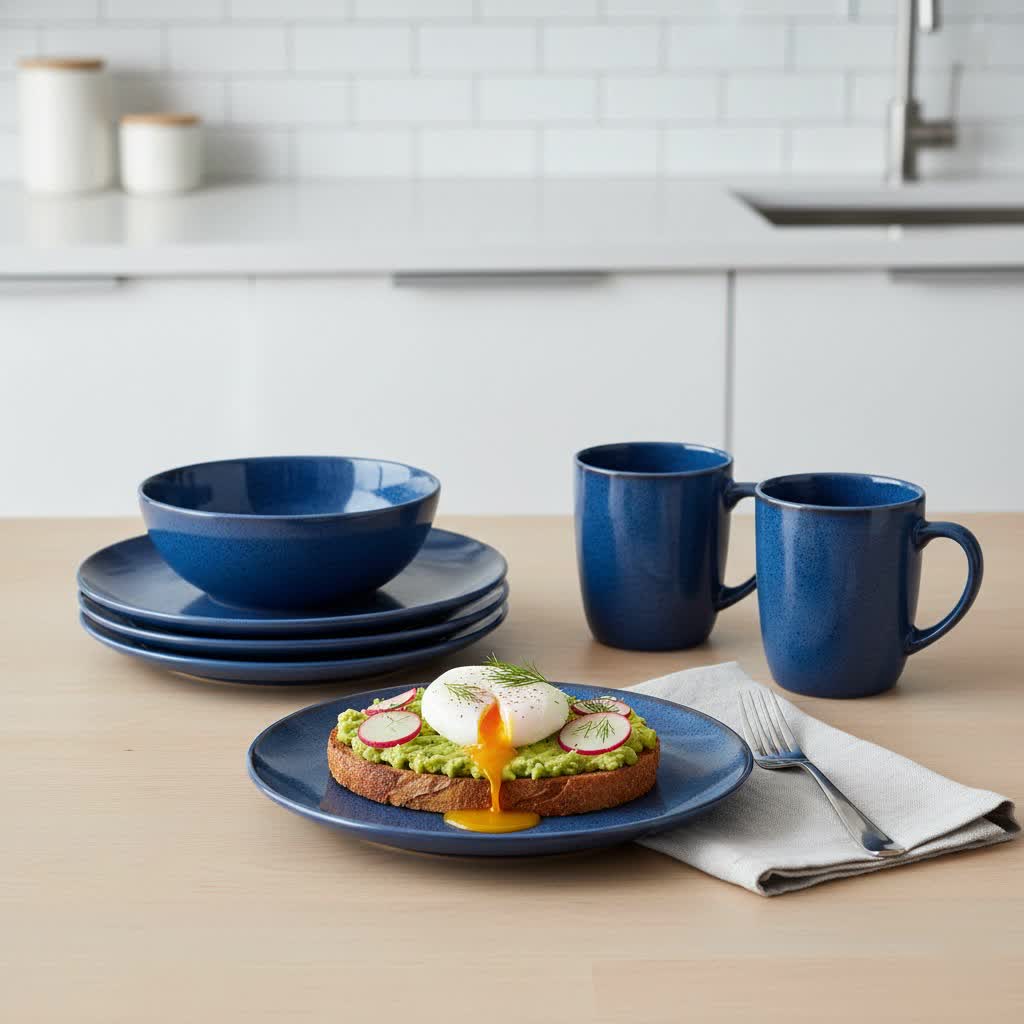
Stepping into a dining room where the table is meticulously set with gleaming china can transform any meal into a truly special occasion. Far beyond mere functionality, a formal table setting with fine china is an art form, a dance of precision and aesthetic grace that signals respect for your guests and the meal itself. If you’ve ever wondered how to create such an inviting and sophisticated scene, this comprehensive guide will walk you through every step, ensuring your next formal gathering is nothing short of memorable. We’ll demystify the rules, simplify the placement, and help you master the elegant presentation that fine china deserves.
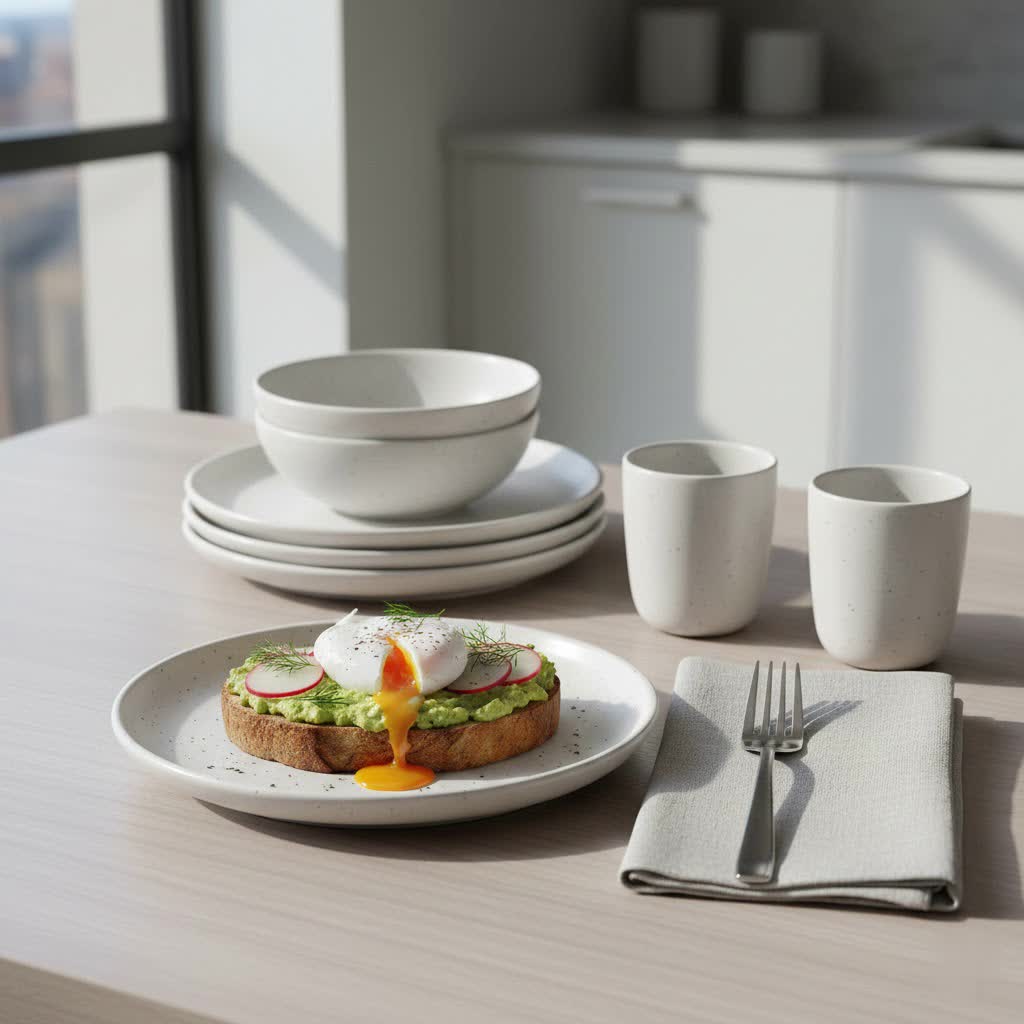
What is a Formal Table Setting?
A formal table setting is a meticulously arranged presentation of dinnerware, flatware, glassware, and linens designed for multi-course meals at significant events. It extends beyond basic dining, emphasizing elegance, etiquette, and a structured dining experience. Historically, such settings have been a hallmark of refined hospitality, communicating the importance of the occasion and the host’s attention to detail. It’s about creating an ambiance where every element contributes to an elevated culinary journey, showcasing an understanding of dining customs that enhance both the meal and the conversation.
Essential Components of a Formal Table Setting with China
Creating a formal table setting with china involves carefully coordinating several key elements, each playing a crucial role in the overall presentation and dining experience. The choice of each component—from the foundational linen to the sparkling glassware—contributes to the sophistication and harmony of the table. Fine china serves as the centerpiece of this arrangement, its delicate beauty often guiding the selection of complementary pieces. Understanding these components is the first step toward mastering the art of formal table arrangement.
Table Linen
Table is empty.The foundation of any exquisite table setting begins with immaculate linen. A crisp, well-ironed tablecloth, ideally in a neutral tone like ivory or white, serves as the perfect canvas, allowing your beautiful china to truly shine without competition. Charger plates, larger decorative plates placed beneath the dinner plate, add an immediate layer of luxury and depth, elevating the entire display. They act as a stylish base, chosen to either complement or subtly contrast with the fine china, enhancing its visual impact.
Dinnerware
Fine china dinnerware is the star of a formal setting, often featuring intricate patterns and delicate designs. The arrangement typically starts with a charger plate, upon which the dinner plate is centered, positioned approximately one inch from the table’s edge for balance and aesthetic appeal. If multiple courses are planned, such as soup or salad, their respective bowls or plates are layered directly on top of the dinner plate. A bread and butter plate is usually positioned above the forks, to the left of the main setting, accompanied by a small butter knife.
Flatware
The arrangement of flatware in a formal setting follows a specific logic: utensils are placed from the outside-in, corresponding to the order of courses. Forks are traditionally positioned to the left of the dinner plate, with the dinner fork closest to the plate and the salad fork (if applicable) to its left. Knives and spoons reside on the right side of the plate; knife blades should always face inward towards the plate, with the dinner knife closest and the soup spoon to its right. Dessert forks and spoons, if provided, are often placed horizontally above the dinner plate, with the fork’s tines pointing right and the spoon’s bowl pointing left.
Glassware
Glassware adds sparkle and sophistication to the formal table. The water glass stands prominently, typically positioned directly above the dinner knife. To its right, wine glasses are arranged according to the beverages being served, usually including a white wine glass, a red wine glass, and sometimes a champagne flute. This arrangement creates a triangular or diagonal cluster, allowing for easy access while maintaining an elegant visual balance above and to the right of the plate.
Napkins
Napkins are a key decorative and functional element. For formal settings, they are often elegantly folded and placed either directly on top of the charger or dinner plate, or to the left of the forks. The fold can be simple and classic or more intricate, chosen to complement the overall style of the china and table decor. A beautifully folded napkin instantly signals the formality of the meal and adds a touch of refined charm to each place setting.
Centerpiece
A tasteful centerpiece enhances the atmosphere without overwhelming the table. For a formal setting, consider low floral arrangements, elegant candelabras, or a collection of decorative objects that harmonize with your china and theme. The key is to ensure the centerpiece is low enough not to obstruct guests’ views across the table, facilitating conversation and maintaining an intimate feel. Subtlety and elegance are paramount, allowing the china and the dining experience to remain the primary focus.
Step-by-Step Guide to Arranging a Formal Table Setting with China
Mastering a formal table setting with fine china is simpler than you might imagine, provided you follow a logical, step-by-step approach. Each element has its designated place, contributing to both the visual appeal and the smooth flow of the meal. By breaking down the process, you can confidently create an impressive and elegant dining experience for your guests.
Step 1: The Foundation – Tablecloth and Charger Plates
Begin by laying a pristine, ironed tablecloth over the entire table. A neutral color like white or ivory provides an ideal backdrop for your china. Next, place a charger plate at each seat, approximately one inch from the table’s edge. Charger plates serve as the base for your dinnerware and add a decorative touch, setting the stage for the formal meal. Ensure even spacing between each charger for a balanced look.
Step 2: Placing the China Dinnerware
Once the chargers are in place, position the main dinner plate directly on top of each charger. If your meal includes a soup or salad course, stack the soup bowl or salad plate directly on the dinner plate. To the upper left of the main plate setting, place the bread and butter plate. This smaller plate is typically accompanied by a small butter knife, which rests horizontally across the top rim of the plate, its blade facing left.
Step 3: Arranging the Flatware
Flatware arrangement follows the “outside-in” rule, meaning guests use the outermost utensil first. To the left of the dinner plate, place the forks. The dinner fork goes closest to the plate, with the salad fork (if serving salad first) to its left. Tines should face upward. To the right of the dinner plate, arrange the knives and spoons. The dinner knife sits closest to the plate, with its blade facing inward. If serving soup, the soup spoon is placed to the right of the dinner knife. For dessert, a dessert fork and spoon are often placed horizontally above the dinner plate, with the fork’s tines pointing right and the spoon’s bowl pointing left. An oyster fork, if needed, is the only fork placed on the right, usually inside the soup spoon.
Step 4: Positioning the Glassware
Glassware is placed above and to the right of the dinner plate. The water glass is typically positioned directly above the dinner knife. To its right, arrange the wine glasses: the white wine glass to the immediate right of the water glass, and the red wine glass slightly above and to the right of the white wine glass. If serving champagne, a flute can be placed behind or slightly to the right of the other wine glasses, creating an elegant cluster.
Step 5: The Napkin
The napkin can be placed in various ways to enhance the formal setting. A popular choice is to fold it elegantly and place it directly on top of the dinner plate or charger. Alternatively, it can be folded and placed to the left of the forks, or even inside a wine glass for a more dramatic presentation. The chosen fold should be neat and complement the overall aesthetic of your china and table decor.
Step 6: Finishing Touches
Complete your formal table setting with thoughtful details. A beautiful centerpiece, such as a low floral arrangement or elegant candles, can add warmth and visual interest, ensuring it doesn’t obstruct conversation. Small salt and pepper shakers should be placed within easy reach of every two to four guests. Place cards can be added above the dessert flatware or on the napkin to guide guests to their seats. These final touches elevate the table from merely set to truly exquisite.
Formal Dining Etiquette and Common Mistakes to Avoid
A formal table setting is more than just aesthetics; it’s a blueprint for elegant dining etiquette. Understanding the unspoken rules helps guests navigate the meal gracefully, while hosts ensure a seamless experience. Knowing common pitfalls can prevent awkward moments and maintain the sophisticated atmosphere you’ve carefully created. Adhering to these guidelines shows respect for the tradition and enhances the enjoyment for everyone at the table.
In a formal setting, guests begin using flatware from the outside-in, moving towards the plate with each successive course. Knife blades always face the plate, a traditional sign of peace and safety. Guests should wait for the host to begin eating or signal the start of a course before picking up their own utensils. It’s also customary to keep elbows off the table and to pass shared dishes to the right. The bread plate, located to the upper left, is for bread and butter only, not for crumbs or other food items.
Common mistakes often include incorrect flatware placement, such as knife blades facing outward, or misplacing the bread plate on the right side. Overcrowding the table with too many accessories or an overly large centerpiece can hinder conversation and make dining uncomfortable. Forgetting the water glass or placing wine glasses in the wrong order can also disrupt the elegant flow. Lastly, ensure that all china, glassware, and flatware are impeccably clean and polished, as smudges can detract from the overall presentation.
“A formal table setting is a silent overture to the meal, signaling the care and thought invested in the guest’s experience. Every piece tells a story of hospitality.” – Eleanor Vance, Etiquette Consultant
Caring for Your Fine China and Silverware
Preserving the beauty and longevity of your fine china and silverware is essential, especially when these pieces are brought out for special occasions. Proper cleaning and storage ensure they remain exquisite for generations, maintaining their delicate patterns and lustrous finish. Thoughtful handling prevents damage and keeps them ready to grace your formal table whenever an elegant gathering calls.
When cleaning fine china, always opt for gentle methods. Handwashing with warm water and a mild, non-abrasive dish soap is generally recommended. Avoid harsh detergents or scrubbing pads that can scratch delicate glazes and hand-painted designs. For stubborn stains, a paste of baking soda and water can be gently applied, but always test on an inconspicuous area first. When choosing flatware to accompany your china, select pieces with smooth edges that won’t chip or wear away at the china’s surface. Sterling silver, while beautiful, requires polishing to prevent tarnishing, often with specialized silver polish and a soft cloth to restore its shine without scratching.
For storage, prevent chips and scratches by placing felt or soft cloth dividers between stacked china plates. Store cups upright, not stacked, to protect their delicate rims. Silverware should be stored in anti-tarnish bags or lined drawers to minimize exposure to air and moisture. Avoid sudden temperature changes, as these can stress the materials, particularly china. With diligent care, your cherished pieces will continue to elevate every formal dining experience.
Formal Table Setting Components at a Glance
| Component | Placement | Notes |
|---|---|---|
| Charger Plate | Center of place setting | Acts as a base for other plates; removed after main course |
| Dinner Plate | On charger plate, 1 inch from table edge | Main course plate |
| Salad Plate/Soup Bowl | Stacked on top of dinner plate | For specific courses; removed before next course |
| Bread & Butter Plate | Upper left, above forks | Small plate for bread and butter |
| Forks | Left of dinner plate, outside-in | Salad fork (outermost), dinner fork (closest to plate) |
| Knives | Right of dinner plate, blades facing plate | Dinner knife (closest to plate), fish knife (if applicable) |
| Spoons | Right of knives, outside-in | Soup spoon (outermost) |
| Dessert Flatware | Above dinner plate, horizontally | Fork tines point right, spoon bowl points left |
| Water Glass | Above dinner knife | Essential for hydration |
| Wine Glasses | To the right of water glass | White wine, red wine, champagne (arranged in order of use) |
| Napkin | On charger/dinner plate or left of forks | Folded elegantly |
Conclusion
Arranging a formal table setting with china is an exquisite skill that transcends simple meal preparation, transforming a dinner into an event filled with grace and intention. By meticulously placing each plate, utensil, and glass, you’re not just setting a table; you’re crafting an experience that honors your guests and the culinary journey. From the pristine tablecloth to the perfectly aligned flatware, every detail contributes to an atmosphere of sophistication and warmth. Embracing this tradition allows you to celebrate not only fine food but also the art of gathering, creating lasting memories around a beautifully adorned table.
So, as you prepare for your next special occasion, remember that the true magic lies in the thoughtful arrangement of each element. How will you personalize your next formal table setting to create an unforgettable experience for your guests?
Frequently Asked Questions
Where does the bread plate go in a formal table setting?
The bread and butter plate is placed above the forks, to the upper left of the main place setting. It is usually accompanied by a small butter knife resting horizontally across its top rim.
Which way do knife blades face on a formal table?
In a formal table setting, all knife blades should face inward, towards the dinner plate. This tradition is a historical gesture of peace and ensures safety at the table.
How are glasses arranged in a formal table setting?
Glassware is typically arranged above and to the right of the dinner plate. The water glass stands directly above the dinner knife, with wine glasses (white, then red) placed to its right, forming a diagonal or triangular cluster.
What is a charger plate used for?
A charger plate, also known as a service plate, serves as a decorative base beneath the dinner plate in a formal setting. It remains on the table throughout the first few courses and is typically removed before the main course or dessert is served.
What about dessert cutlery placement?
Dessert flatware, if provided with the initial setting, is usually placed horizontally above the dinner plate. The dessert fork’s tines point to the right, and the dessert spoon’s bowl points to the left, indicating their use after the main courses.