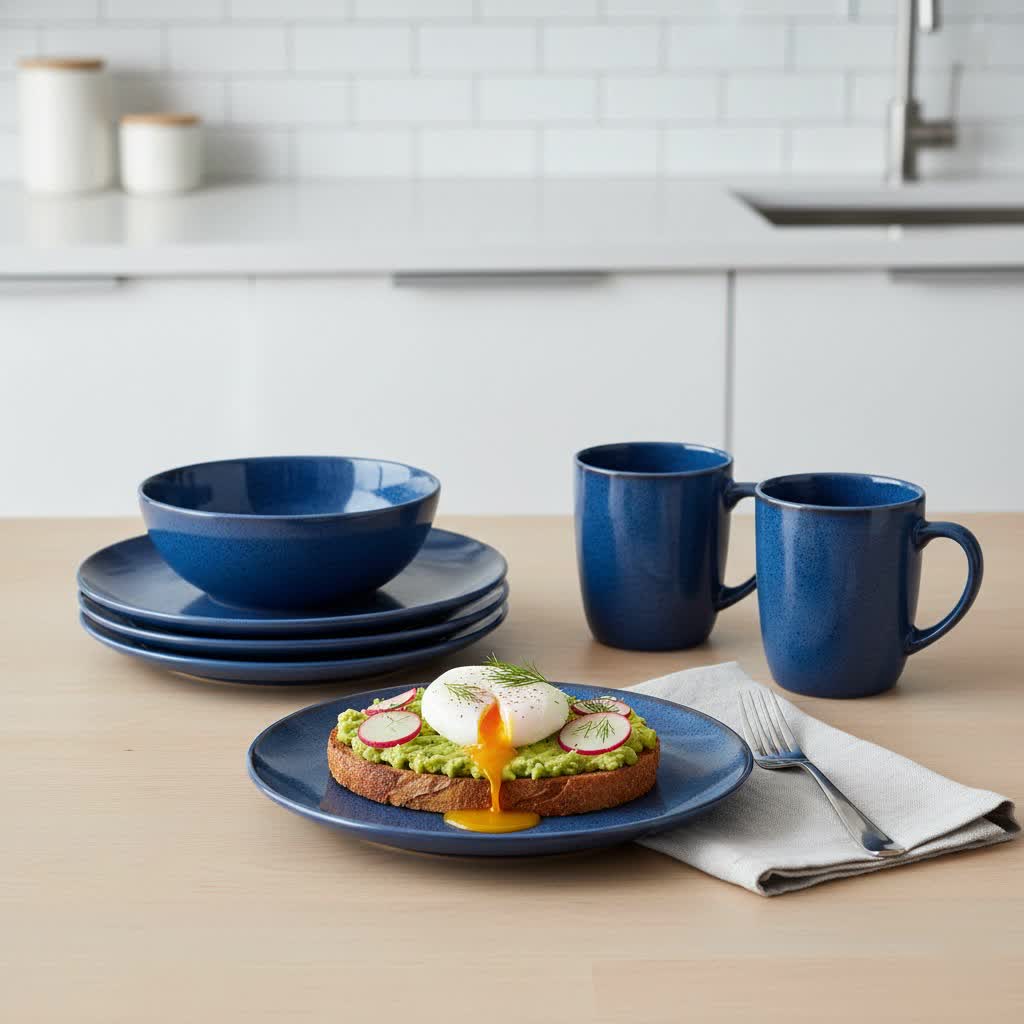
Choosing the right ceramic dinnerware is more than just picking a pretty pattern; it’s about understanding the fundamental properties that dictate how well your pieces will withstand the rigors of daily life. For those who cherish both aesthetics and longevity in their kitchen, a common comparison arises: earthenware versus stoneware. With over a decade of experience navigating the world of ceramics, I understand the nuances that differentiate these two popular pottery types, especially when it comes to their resilience. Let’s dive deep into their inherent characteristics and discover which material truly stands up to the test of time, helping you make an informed decision that perfectly suits your home and lifestyle.
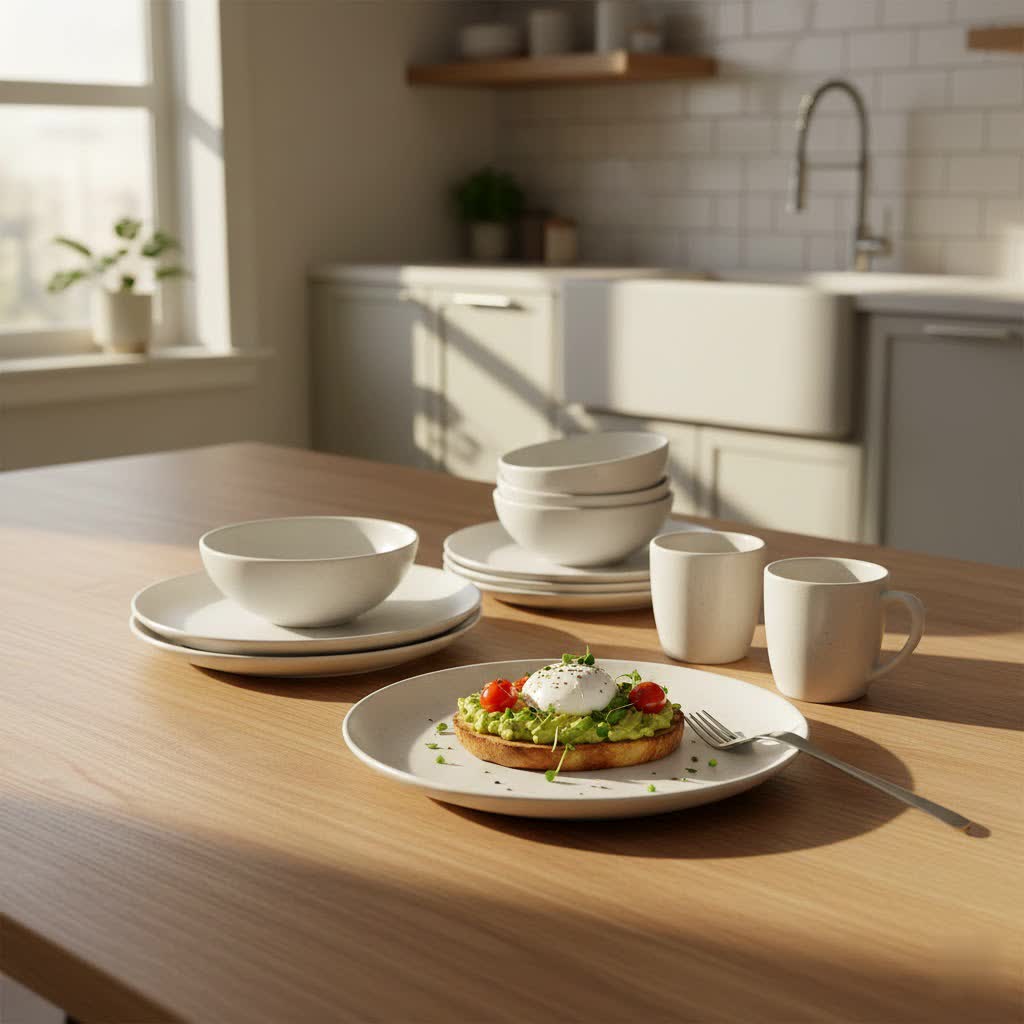
What is Earthenware?
Table is empty.Earthenware represents one of the oldest forms of pottery, with a history spanning thousands of years. It is crafted from coarse, often iron-rich clay, and typically fired at relatively lower temperatures, generally ranging from approximately 1,800°F to 2,200°F (982°C to 1,204°C). This lower firing process prevents the clay from fully vitrifying, meaning its particles do not completely fuse together. Consequently, unglazed earthenware retains a distinct porous quality, allowing it to absorb liquids. Its raw, natural texture and often vibrant, earthy hues contribute to its rustic and charming appeal, making it a favorite for decorative pieces, garden pots, or artisan-crafted items.
What is Stoneware?
Stoneware, on the other hand, is a more robust type of ceramic, celebrated for its practical applications and enduring strength. Made from denser clay bodies, stoneware is fired at significantly higher temperatures, usually between 2,150°F to 2,400°F (1,177°C to 1,316°C). This intense heat causes the clay to vitrify partially or fully, resulting in a dense, non-porous, and stone-like material, even before glazing. Stoneware often features a substantial feel and a more muted, earthy palette, though glazes can introduce a wide array of colors and finishes. Its inherent durability makes it a preferred choice for everyday dinnerware, bakeware, and utilitarian pottery that demands resilience.
The Core Difference: Firing Temperatures and Porosity
The most significant distinction between earthenware and stoneware, and the root of their differing durabilities, lies in their firing temperatures and subsequent porosity. Earthenware’s lower firing range means its clay particles don’t fully melt and seal together, leaving microscopic pores within the material. This porosity makes unglazed earthenware highly absorbent, prone to soaking up water and other liquids. To counteract this, earthenware items are almost always glazed to make them waterproof and food-safe.
In contrast, stoneware’s higher firing temperatures cause its clay to become much denser and less porous, often making it naturally water-resistant even without glaze. This vitrification process transforms the clay into a much harder, more consolidated material. The tighter molecular structure of stoneware directly translates to enhanced strength and resilience, providing a robust foundation for its superior durability compared to earthenware.
Durability Showdown: Earthenware vs. Stoneware
When evaluating ceramic dinnerware for everyday use, durability is often a top priority. Let’s break down how earthenware and stoneware fare in various aspects of resilience:
Strength & Resistance to Chipping/Cracking
Stoneware unequivocally surpasses earthenware in terms of sheer strength and resistance to damage. Its dense, high-fired composition makes it remarkably resistant to chipping and cracking from accidental bumps and daily handling. The vitrified nature of stoneware contributes to its solidity, allowing it to withstand more significant impacts without easily breaking. Conversely, earthenware’s porous structure and lower firing temperature result in a more brittle material. It is significantly more susceptible to chipping and cracking, requiring more delicate handling to prevent damage. Some sources even suggest earthenware can be marked with a finger or nail, highlighting its inherent softness.
Thermal Shock Resistance
The ability of a ceramic piece to withstand sudden changes in temperature without cracking is known as thermal shock resistance, and here, stoneware holds a clear advantage. Its denser, more robust composition allows it to handle temperature fluctuations better, making it generally safer for use in microwaves and ovens, provided it is explicitly labeled as such. Earthenware, due to its porous nature and lower firing, is much more vulnerable to thermal shock. Rapid temperature changes—such as moving a hot dish to a cold surface or rinsing a warm plate with cold water—can induce stress fractures and lead to cracking. This sensitivity dictates more careful use and cleaning protocols for earthenware items.
Scratch Resistance
While both materials can potentially scratch with harsh use, stoneware generally offers better scratch resistance duewed to its harder surface. Its dense body is less prone to the minor abrasions that can accumulate from cutlery over time. Earthenware’s softer surface, even when glazed, can wear gradually with frequent use and is more susceptible to scratching. This means that earthenware may show signs of wear, such as dulling or surface marks, more quickly than stoneware.
Everyday Wear and Tear
For items intended for frequent, daily use, stoneware is the clear winner. Its resilient nature means it can withstand the constant cycle of serving, cleaning, and stacking in busy kitchens. This makes it an ideal “everyday workhorse” for dinnerware and bakeware. Earthenware, while charming, demands a gentler approach. Its fragility and susceptibility to chips and thermal shock make it better suited for decorative purposes, occasional serving, or specialized uses where high durability isn’t the primary concern. Regular, rough use will quickly diminish the lifespan of earthenware pieces.
Practical Implications for Everyday Use
Understanding the durability differences translates directly into how these ceramics perform in a practical kitchen setting.
Dishwasher & Microwave Safety
Most modern stoneware is designed to be dishwasher, microwave, and often oven safe, making it a convenient choice for busy households. Always verify specific product labels, as some glazes or finishes may have limitations. Earthenware, however, typically requires more cautious care. While some earthenware is labeled dishwasher safe, hand washing is frequently recommended to preserve its glazes and prevent the thermal shock that could lead to cracking. Microwave and oven safety are less common for earthenware, and rapid temperature shifts should always be avoided.
Care & Maintenance
Stoneware’s high-fired density contributes to its remarkably low-maintenance profile. It can usually be cleaned alongside regular dishes without special considerations, often requiring just a quick wash with warm water and mild soap. Earthenware, conversely, demands more delicate handling. Beyond hand washing recommendations, careful storage with adequate padding between pieces is crucial to prevent chips and cracks during handling. Over time, frequently used earthenware may even require re-glazing as its softer surface wears.
Longevity
Given its superior strength, density, and resistance to damage and thermal shock, stoneware generally offers a longer lifespan, particularly for items in regular use. With proper care, stoneware dinnerware can last for many years, proving to be a wise long-term investment. Earthenware, while beautiful, is inherently more delicate, and its longevity is often contingent on its role as a decorative item or its infrequent, careful use.
Beyond Durability: Other Considerations
While durability is a key factor, other aspects might influence your choice:
Aesthetics
Earthenware often boasts a warm, rustic, and handmade aesthetic, with vibrant colors and unique textures that appeal to those who appreciate a cozy, artisanal feel. Stoneware also offers a rustic charm, but with a denser, more substantial appearance, often featuring speckled or matte glazes.
Weight
Stoneware tends to be heavier and bulkier than earthenware, which can be a factor for stacking, lifting, and cabinet space. Earthenware, though sometimes thicker, often feels lighter in hand due to its lower density.
Cost
Generally, earthenware is the more budget-friendly option due to its lower firing temperatures and less refined clay composition. Stoneware represents a mid-range investment, offering a good balance of price and durability.
Best Applications
Earthenware excels in decorative contexts, adding a touch of rustic charm to your home, or for occasional, gentle serving. Stoneware is the go-to for functional, everyday dinnerware, bakeware, and other kitchen items that need to withstand consistent use and retain heat.
Comparison Table: Earthenware vs. Stoneware
| Feature | Earthenware | Stoneware |
|---|---|---|
| Firing Temp. | Lower (1,800-2,200°F / 982-1,204°C) | Higher (2,150-2,400°F / 1,177-1,316°C) |
| Porosity | Highly porous (requires glaze for waterproof) | Low porosity (often naturally water-resistant) |
| Durability | Less durable, brittle, prone to chips/cracks | Highly durable, chip-resistant, strong |
| Thermal Shock | Low resistance, sensitive to temp changes | High resistance, better for oven/microwave |
| Care | Delicate, hand wash often recommended, careful storage | Easy, often dishwasher/microwave safe |
| Weight | Lighter, though can be chunky | Heavier, more substantial feel |
| Cost | Generally more affordable | Mid-range |
| Best Use | Decorative, occasional serving, garden pots | Everyday dinnerware, bakeware, utilitarian |
How to Choose Your Dinnerware Wisely
When selecting between earthenware and stoneware, consider your lifestyle and priorities.
If you are drawn to a rustic aesthetic, enjoy unique handcrafted pieces, and don’t mind a little extra care, earthenware could be a delightful addition to your home, particularly for decorative purposes or serving dishes that aren’t subjected to daily wear and tear.
However, if you prioritize practicality, robust performance for daily meals, and minimal maintenance, stoneware is likely your ideal choice. Its resilience, chip resistance, and compatibility with modern kitchen appliances make it a dependable workhorse that will serve your family well for years to come. Ultimately, the “best” choice depends on how you plan to use your ceramic pieces and the value you place on their various characteristics.
Conclusion
The journey through the world of ceramics reveals that while both earthenware and stoneware possess unique charms, their inherent durability varies significantly. Earthenware, with its porous structure and lower firing, offers a delicate, rustic beauty best suited for decorative accents or gentle use. Stoneware, forged in higher heats to achieve density and vitrification, emerges as the champion of durability, ready to face the demands of daily meals and busy households with remarkable resilience. Understanding these fundamental differences empowers you to choose Ceramic Dinnerware that not only complements your aesthetic but also stands the test of time. What will you prioritize for your next ceramic purchase: enduring strength or delicate charm?
Frequently Asked Questions
Is earthenware safe for food?
Yes, modern earthenware that is properly glazed and labeled “food safe” is safe for food use. The glaze seals the porous body, preventing liquid absorption and ensuring hygiene. It is always best to avoid old or untested earthenware pieces, as they may contain lead.
Can stoneware go in the oven?
Many stoneware dishes are oven-safe, thanks to their dense structure and good thermal resistance. However, it is crucial to always check the manufacturer’s specific instructions for temperature limits and usage guidelines to prevent thermal shock.
Why is stoneware more durable than earthenware?
Stoneware is more durable primarily because it is fired at significantly higher temperatures (2,150°F to 2,400°F) compared to earthenware (1,800°F to 2,200°F). This intense heat causes the clay particles to vitrify or fuse more completely, resulting in a denser, less porous, and inherently stronger material that is more resistant to chipping, cracking, and thermal shock.
Does earthenware absorb water, even if glazed?
While glazing makes earthenware largely waterproof, its inherent porosity means it can still absorb some moisture over time, especially if the glaze is compromised or tiny hairline cracks (crazing) develop. This is why earthenware is more susceptible to staining and requires careful cleaning and handling.
Which is better for families with children, earthenware or stoneware?
For families with children, stoneware is generally the better choice due to its superior durability and resistance to chipping and breaking from everyday bumps and handling. Its thicker, more robust construction is more forgiving than the more fragile earthenware.