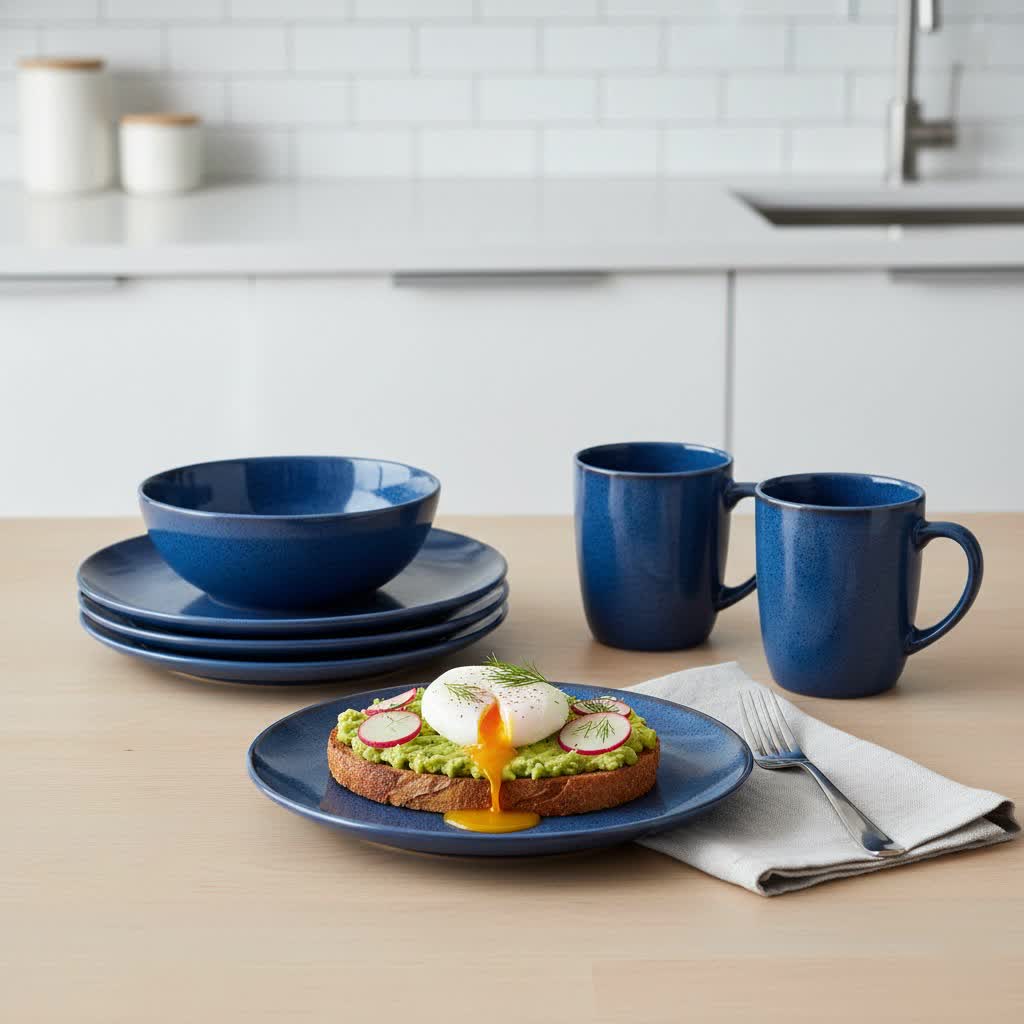
Stepping into your dining space, imagine an ambiance where every plate tells a story, every bowl holds a legacy. Portuguese ceramic dinnerware offers just that—a blend of centuries-old craftsmanship and contemporary design that elevates everyday meals into extraordinary experiences. As an Admin of Reviewnaone.com with over a decade in ceramic homewares, I’ve seen countless pieces, from functional everyday sets to exquisite art. This guide will help you navigate the rich world of Portuguese ceramic sets, exploring the latest trends taking over in 2026, detailing different types, their advantages and disadvantages, and providing essential advice on choosing and caring for your ideal dinnerware.
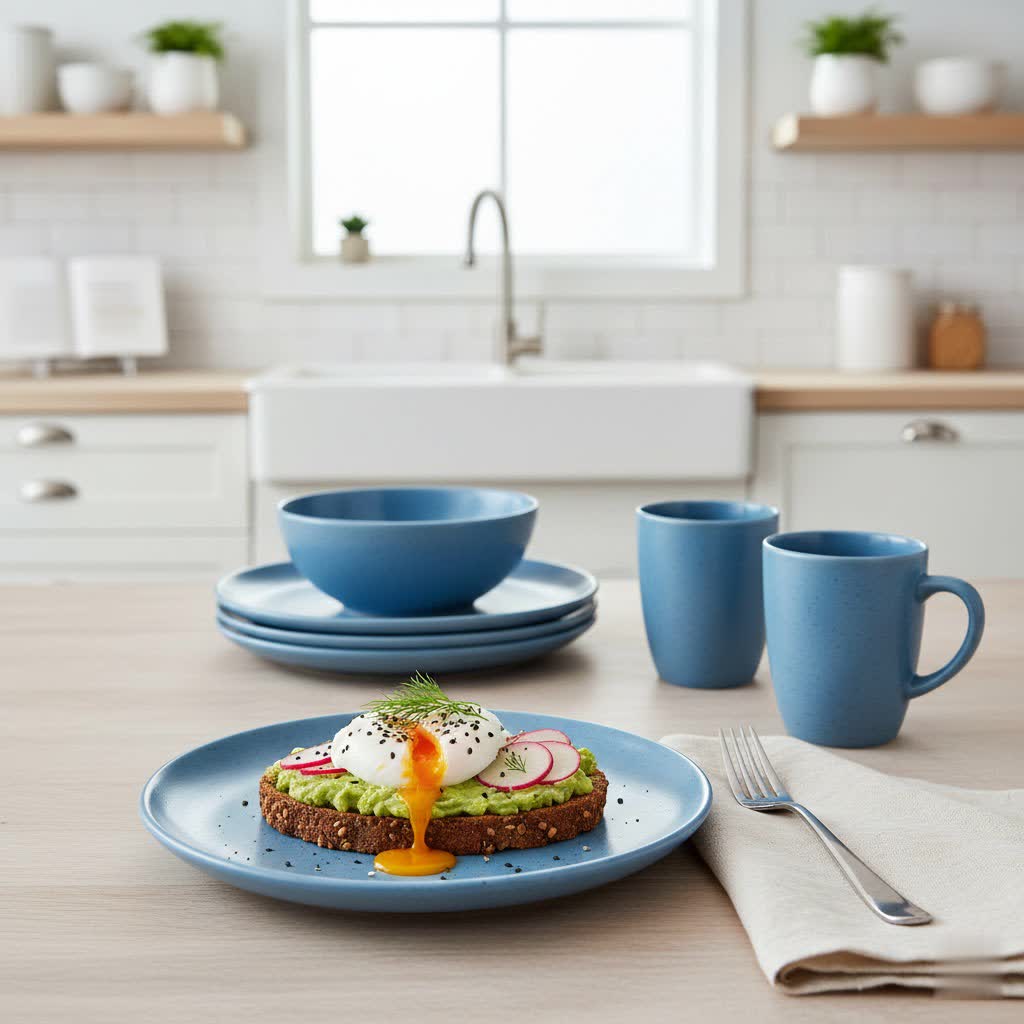
What is Dinnerware Ceramic?
Dinnerware ceramic refers to tableware crafted from various types of clay, fired at high temperatures, and often glazed to enhance durability, aesthetics, and ease of cleaning. This ancient art form has been an integral part of culinary culture worldwide for millennia, evolving from simple functional pieces to sophisticated works of art. Portuguese ceramics, in particular, boast a profound history, rooted in traditional techniques passed down through generations while continually adapting to modern tastes and production standards.
The Diverse World of Ceramic Dinnerware Types
Understanding the different types of ceramic dinnerware is key to selecting the perfect set for your home. Each offers unique characteristics in terms of durability, appearance, and suitability for various occasions.
Bone China (Porcelain)
Bone China is renowned for its exceptional whiteness, translucency, and delicate appearance, often making it the choice for luxury tableware. Despite its delicate look, bone china is surprisingly durable and chip-resistant due to the inclusion of bone ash in its composition.
- Advantages: Lightweight, thin, elegant, and generally quite strong.
- Disadvantages: Can be more expensive and more prone to breakage than stoneware if subjected to sharp impacts.
- Identification: Hold it up to a light source; quality bone china will appear translucent.
Stoneware
Stoneware is a more robust and opaque ceramic type, fired at high temperatures to create a dense, non-porous material. It is celebrated for its earthy, rustic charm and excellent durability.
- Advantages: Very durable, chip-resistant, retains heat well, and can withstand temperature changes, making it ideal for everyday use and often microwave, dishwasher, and oven safe.
- Disadvantages: Heavier and thicker than porcelain or bone china, and can sometimes be prone to scratching.
- Application: Perfect for casual dining and eco-conscious homes due to its longevity.
Earthenware (Faience)
Earthenware is one of the oldest forms of pottery, fired at lower temperatures than stoneware or porcelain. It is typically more porous and often features thicker, more rustic designs, commonly seen in traditional Portuguese faience.
- Advantages: Often more affordable, offers a wide range of vibrant colors and artistic designs, and has a charming, handcrafted feel.
- Disadvantages: Less durable and more prone to chipping and breakage. It can be porous if not properly glazed, absorbing liquids.
- Comparison: Less resistant to thermal shock compared to stoneware and porcelain.
Porcelain (General)
Porcelain, distinct from bone china, is a high-fired ceramic known for its strength, non-porosity, and classic elegance. It’s typically a bright white and has a smooth, glossy finish.
- Advantages: Highly durable, non-porous (hygienic), excellent heat retention, and generally safe for microwave, oven, and dishwasher use. It offers a polished look suitable for both everyday and formal settings.
- Disadvantages: Can be heavier than bone china and typically more expensive than earthenware or basic stoneware.
- Aesthetics: Offers clean lines and a refined appearance that pairs well with diverse décors.
Advantages and Disadvantages of Ceramic Dinnerware
Ceramic dinnerware, especially from Portugal, offers a compelling combination of benefits and a few considerations to keep in mind.
Advantages:
- High Aesthetic Appeal: Available in an astonishing array of patterns, glazes, and shapes, from traditional hand-painted motifs to sleek, minimalist designs.
- Health Safety: Reputable Portuguese manufacturers adhere to strict safety standards, ensuring lead-free glazes and non-toxic materials, making them safe for food contact.
- Easy to Clean and Maintain: Most high-quality ceramic dinnerware is dishwasher-safe, and its smooth surfaces prevent food from sticking.
- Good Heat Retention: Ceramics hold heat effectively, keeping food warm longer on the table.
- Sustainability Focus: Many Portuguese brands prioritize eco-friendly production, using responsibly sourced clays and minimizing waste, appealing to environmentally conscious consumers.
Disadvantages:
- Fragility: While durable, ceramic dinnerware can chip or break if dropped or subjected to heavy impact, especially earthenware.
- Potential for Scratching: Some finishes, particularly glossy ones, might show utensil marks over time.
- Higher Cost: High-quality, handcrafted Portuguese ceramic sets can be more expensive than mass-produced alternatives.
Comparison of Ceramic Dinnerware Types
| Type of Ceramic | Key Advantages | Key Disadvantages | Durability Rating | Price Range |
|---|---|---|---|---|
| Bone China | Lightweight, thin, elegant, translucent | More fragile, high-end price | High | High |
| Stoneware | Durable, robust, heat-retentive | Heavier, can be thicker | Very High | Medium |
| Earthenware | Affordable, diverse designs, artistic | Prone to chipping, porous if unglazed | Low | Low |
| Porcelain | Strong, non-porous, elegant, versatile | Can be expensive | High | High |
Guide to Choosing Portuguese Ceramic Dinnerware
Selecting the right Portuguese ceramic set involves balancing your practical needs with your aesthetic preferences.
Determine Your Usage Needs
- Family Size and Lifestyle: Consider how many people you serve daily and if you frequently host guests. A core set for 4-6 is a good start, with extra bowls and mugs often needed.
- Frequency of Use: For daily meals, prioritize durable, microwave, and dishwasher-safe options like stoneware or high-quality porcelain.
- Dining Style: Do you prefer formal dinners, casual family meals, or a mix of both? This will influence your choice between delicate bone china, classic porcelain, or rustic stoneware.
Select the Appropriate Ceramic Type
- For Durability: Stoneware is an excellent choice for its robustness and resistance to temperature changes.
- For Elegance: Porcelain and bone china offer refined aesthetics perfect for formal settings.
- For Artistic Flair: Earthenware, like Bordallo Pinheiro’s collections, provides unique, sculptural pieces.
Check Product Quality
- Smooth Glaze: Run your hand over the surface; it should be smooth and free of blemishes, chips, or cracks.
- Even Color: Ensure the color and pattern are consistent across all pieces in the set.
- Sound Test: Gently tap the rim of a plate with your finger. A clear, resonant sound indicates good firing and quality, while a dull thud might suggest imperfections.
Purchase from Reputable Retailers and Brands
- Always buy from established stores or directly from well-known Portuguese brands to ensure authenticity, quality, and proper after-sales support. Look for brands with clear commitments to quality and ethical production.
Trends Taking Over in 2026 for Portuguese Ceramic Sets
The world of dinnerware is constantly evolving, and Portuguese ceramics are at the forefront of exciting new trends in 2026, blending innovation with timeless appeal.
- Reactive Glaze Dinnerware: This trend offers artistic depth, with glazes reacting during firing to create unique color variations, speckles, or gradient edges. Each piece feels handcrafted and personal, perfect for adding an artful touch to any table.
- Umber Veined Tableware: Emphasizing natural beauty, Umber Veined Tableware features earthy tones of umber combined with striking, organic vein patterns that bring warmth and texture. This trend focuses on simplicity, allowing the material’s raw elegance to shine.
- Periwinkle Asymmetrical Ceramic Dinnerware: Expect to see irregular shapes in soft yet vibrant periwinkle tones, adding a pop of color and a unique design element. This trend embraces asymmetry as a form of contemporary artistry.
- Stoneware with White Inside, Color Glaze Outside, and Black Rim: This striking design showcases a beautiful contrast between a crisp white interior, a vibrant colored exterior, and a bold black rim, making it a perfect addition to modern, stylish dining settings.
- Sustainability and Eco-Friendly Materials: Consumers in 2026 are increasingly prioritizing dinnerware made with responsibly sourced clay, lead-free glazes, and minimal packaging, highlighting durability for long-term use and waste reduction.
- Mix-and-Match Dinnerware Sets: Creating custom tablescapes with personalized style is a significant trend. Shoppers are building palettes that fit their home, often by choosing one anchor color and rotating accent pieces.
- Durability and Multi-functional Serveware: There’s a strong focus on dinnerware and serveware that stands up to daily demands. Multi-functional serving pieces that work for weeknight meals, meal prep, and casual entertaining are highly sought after.
- Trending Colors and Finishes: Warm neutrals, earth tones (sand, clay, olive), deep blues, and charcoal are popular palettes. Both matte and glossy finishes are in vogue, often mixed to add depth and interest.
How to Clean and Care for Portuguese Ceramic Dinnerware
Proper care ensures the longevity and beauty of your ceramic dinnerware.
Cleaning
- Hand Washing: For delicate or hand-painted pieces, wash with warm water and mild dish soap using a soft sponge or cloth. Avoid abrasive scrubbers or harsh chemical detergents that can scratch the glaze.
- Dishwasher Use: Most modern, high-quality Portuguese ceramic sets are dishwasher-safe. Place items on the bottom rack with sufficient space between them to prevent chipping. Always check the manufacturer’s recommendations.
Storage
- Careful Stacking: Stack plates and bowls carefully to prevent chipping. For added protection, place soft felt or cloth separators between each piece.
- Avoid Sudden Temperature Changes: Rapid shifts from very hot to very cold (or vice versa) can cause thermal shock, leading to cracks or crazing (fine lines in the glaze). Allow dishes to cool before refrigerating or washing.
Famous Portuguese Ceramic Dinnerware Brands
Portugal is home to numerous celebrated ceramic manufacturers, each offering unique styles and unparalleled quality.
- Vista Alegre: Founded in 1824, Vista Alegre is Portugal’s most iconic brand, synonymous with fine porcelain, bone china, and luxury tableware. Their collections blend classical elegance with contemporary artistry, favored by luxury hotels and royal households globally.
- Porcel S.A.: Known for its fine porcelain and custom solutions, Porcel S.A. boasts a strong reputation for quality, creative design, and technical excellence, producing bright, shiny, and durable pieces.
- Costa Nova: Specializing in stoneware, Costa Nova is recognized for its relaxed, coastal-inspired designs. Their pieces are durable, feature organic shapes, and soft glaze finishes, popular in boutique hotels and casual dining.
- Bordallo Pinheiro: Since 1884, Bordallo Pinheiro has been famous for its artistic faience and earthenware, often featuring bold, nature-inspired designs like cabbage leaves, fruits, and animals, embodying the artistic soul of Portuguese ceramics.
- Grestel: An export-oriented manufacturer, Grestel offers both stoneware and porcelain dinnerware, investing heavily in sustainability, digital decoration, and advanced firing technology.
- Ceramirupe: This brand excels in both porcelain and stoneware manufacturing, blending traditional and modern design elements to create elegant and durable tableware solutions for hospitality and residential markets.
- Porches Pottery: Combines artistic creativity with traditional Portuguese ceramics, featuring hand-painted designs inspired by coastal life and Iberian culture.
- SPAL – Sociedade de Porcelanas de Alcobaça: Focuses on porcelain tableware for the hospitality sector, emphasizing durability, stackability, and consistent performance.
- Val do Sol Cerâmica: Offers contemporary ceramic tableware with strong design flexibility, often collaborating with international designers.
- Mat Ceramica: Known for its contemporary and minimalist glazed ceramic dinnerware, focusing on custom design options and high-quality craftsmanship.
- Arfai Ceramics: Renowned for artistic and decorative glazed ceramic dinnerware with vibrant patterns and customizable designs.
- Mesa Ceramics: Specializes in contemporary and minimalistic glazed ceramic dinnerware, blending functionality with aesthetics.
Conclusion
Portuguese ceramic sets offer an exceptional combination of artistry, durability, and functional elegance, making them a superb choice for any home. From the delicate translucence of bone china to the rustic charm of stoneware, the diverse range of styles ensures there’s a perfect set to match every taste and need. As we look towards 2026, the trends indicate a move towards artistic glazes, natural textures, bold contrasts, and a strong emphasis on sustainability. By understanding the different types, knowing what to look for in terms of quality, and choosing reputable brands, you can invest in dinnerware that not only enhances your dining experience but also becomes a cherished part of your home for years to come.
Which Portuguese ceramic trend are you most excited to incorporate into your dining space?
Frequently Asked Questions
What are the biggest dinnerware trends for 2026?
The biggest dinnerware trends for 2026 include reactive glaze finishes, natural-inspired designs like Umber Veined Tableware, asymmetrical shapes, bold contrasts in stoneware, and a strong focus on eco-friendly materials and mix-and-match sets.
How do I choose the best dinnerware set for daily use?
For daily use, prioritize durability, ease of care (dishwasher and microwave safe), and stackability. Stoneware or high-quality porcelain are excellent choices. Select a neutral base that can be easily refreshed with accent pieces over time.
Is stoneware or porcelain better for an everyday tablescape?
Stoneware offers a sturdy, cozy feel with natural textures and is highly durable for everyday use. Porcelain, on the other hand, provides a cleaner, more classic, and polished look. Many homes effectively mix both, using porcelain plates for a crisp base and stoneware bowls for added warmth and texture.
What makes Portuguese glazed ceramic dinnerware unique?
Portuguese glazed ceramic dinnerware is unique due to its rich heritage, deep-rooted craftsmanship, diverse and often vibrant designs, and a growing commitment to sustainable production practices. Manufacturers blend traditional techniques with contemporary aesthetics to create distinctive and high-quality products.
How do I care for glazed ceramic dinnerware?
To care for glazed Ceramic Dinnerware, use mild dish soap and a soft sponge, avoiding harsh abrasive cleaners or sudden temperature changes. Most modern pieces are dishwasher-safe, but always check manufacturer guidelines. Store pieces carefully, preferably with separators, to prevent chipping.