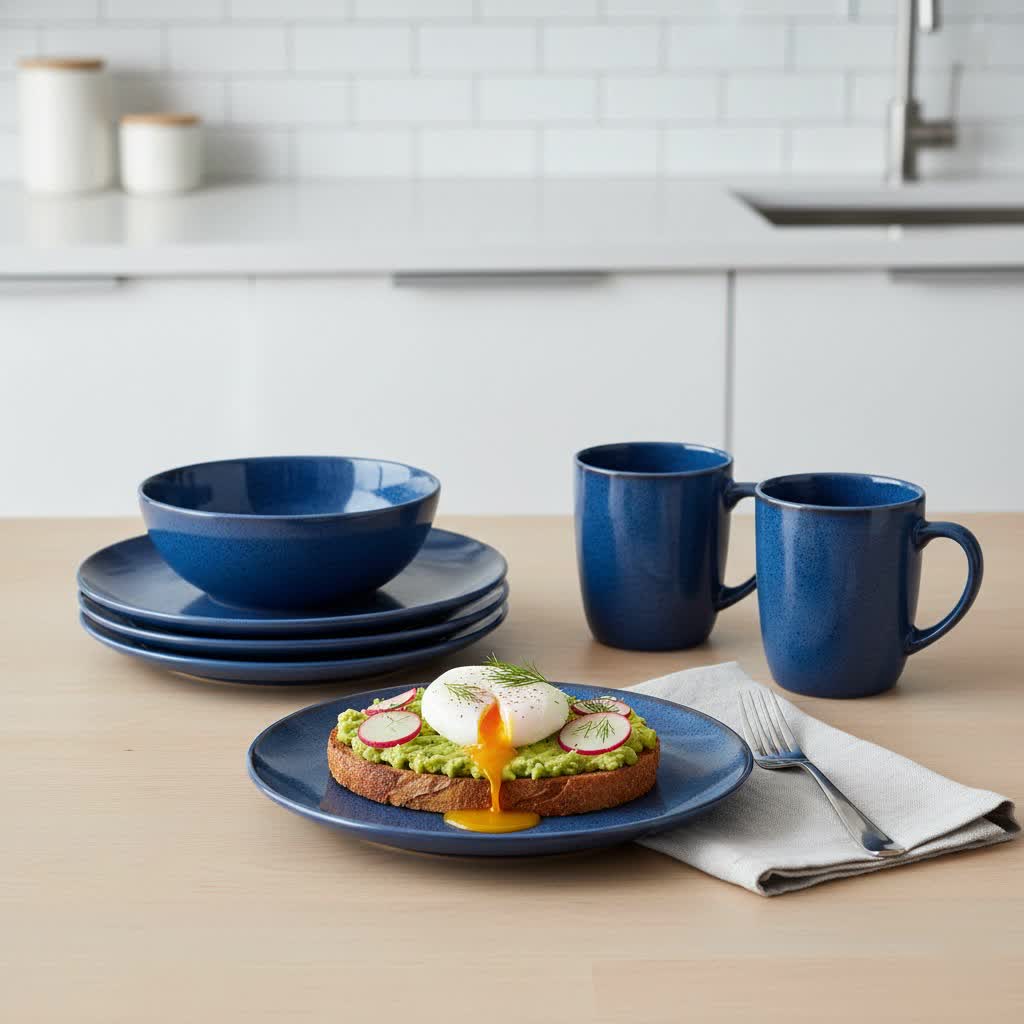
Your dining table is more than just a surface for meals; it’s a canvas for expression, a gathering place where stories unfold. In a world of mass-produced uniformity, handcrafted ceramic sets offer a refreshing alternative, infusing soul, character, and unparalleled artistry into every dining experience. Choosing these unique pieces allows you to curate a space that truly reflects your personal style, transforming ordinary meals into extraordinary moments.
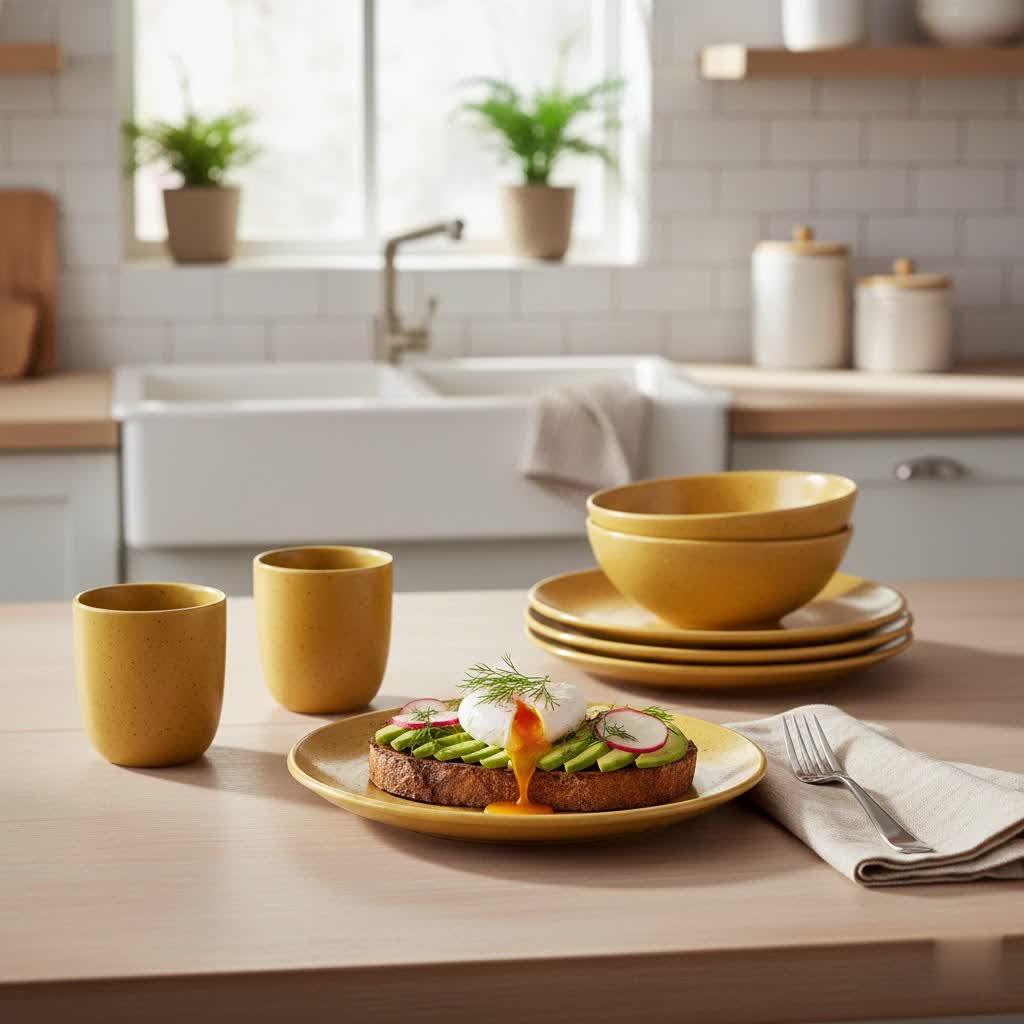
What Makes Handcrafted Ceramic Sets Special?
Handcrafted ceramic sets are distinguished by their inherent uniqueness and the personal touch of the artisan. Unlike their factory-made counterparts, each plate, bowl, and mug bears subtle variations in shape, texture, and glaze, making every piece a one-of-a-kind work of art. This individuality is the essence of their charm, lending an authentic, organic feel that mass production simply cannot replicate. Investing in handcrafted ceramics means bringing home pieces with a story, an emotional connection that resonates with mindful living and appreciation for skilled craftsmanship.
The Art of Clay: Types of Handcrafted Ceramic Materials
The diverse world of handcrafted ceramics is shaped by the type of clay used, each offering distinct aesthetic and functional qualities. Understanding these differences can guide your selection towards sets that best fit your lifestyle and stylistic preferences.
Earthenware
Table is empty.Earthenware is one of the oldest forms of pottery, known for its rustic appeal and earthy tones. Fired at relatively lower temperatures, it results in a more porous material, which is typically glazed to ensure it is waterproof and durable for dinnerware. Earthenware pieces often showcase a charming, robust feel, with a slightly textured finish that adds warmth to any table setting.
Stoneware
Stoneware is a popular choice for handcrafted dinnerware due to its excellent durability and versatility. Fired at higher temperatures than earthenware, it becomes denser and less porous, making it incredibly resilient and suitable for everyday use. Stoneware can feature a wide range of glazes and finishes, from matte and earthy to glossy and vibrant, and its robust nature often makes it less susceptible to thermal shock compared to other clay types.
Porcelain
Renowned for its refined elegance and delicate appearance, porcelain is fired at the highest temperatures. This process results in a remarkably hard, non-porous, and often translucent material. Handcrafted porcelain sets exude sophistication, offering a smooth, pristine surface that beautifully showcases intricate designs or minimalist aesthetics. While traditionally associated with formal dining, modern artisans create porcelain sets that blend timeless grace with contemporary style.
Bone China
A specific type of porcelain, bone china incorporates bone ash into its clay mixture, resulting in exceptional strength, lightness, and a distinctive milky white translucency. Despite its delicate appearance, bone china is highly durable and chip-resistant, making it a luxurious yet practical option for high-quality handcrafted dinnerware. It offers a premium feel, perfect for both everyday elegance and special occasions.
Advantages and Considerations of Handcrafted Ceramic Sets
Choosing handcrafted ceramic sets comes with a host of benefits that extend beyond mere aesthetics, alongside a few considerations to keep in mind.
Advantages
- Unmatched Aesthetic and Character: Handcrafted pieces boast unique imperfections, organic shapes, and rich glazes that cannot be replicated by machines, offering depth and visual interest to your table.
- Durability and Longevity: High-quality handcrafted ceramics are often fired at extreme temperatures, resulting in a dense, robust material that is chip-resistant and designed to last. They can become cherished heirlooms, passed down through generations.
- Health-Conscious and Eco-Friendly: Artisans frequently use natural, lead-free glazes and materials, making them a safer choice that doesn’t leach harmful chemicals into your food. Ceramics are made from natural clay, offering a more sustainable dining option.
- Emotional Connection and Mindful Living: Each piece carries the artist’s touch, fostering a deeper appreciation for simple moments and encouraging a sense of mindfulness around meals.
- Versatility and Personalization: The wide range of designs, patterns, and colors available allows for diverse selections that suit various tastes and styles, making them suitable for both casual and formal settings.
Considerations
- Delicacy and Breakability: While durable, ceramics are not indestructible and can chip or crack if subjected to strong impacts or sudden temperature changes.
- Price Point: Due to the labor-intensive process and artistic skill involved, handcrafted ceramic sets often come with a higher price tag than mass-produced alternatives.
- Care Requirements: Some handcrafted pieces, especially those with unglazed elements, delicate hand-painted designs, or metallic accents, may require specific care, such as handwashing, and might not be suitable for dishwashers or microwaves. Always check the maker’s recommendations.
Styling Your Table with Handcrafted Ceramic Sets
Handcrafted ceramic sets are perfect for creating a dining experience that is both intimate and visually captivating. Their inherent artistry makes them a focal point, but with thoughtful styling, you can amplify their unique appeal.
Embrace the Mix-and-Match Aesthetic
One of the most liberating aspects of styling with handcrafted ceramics is the embrace of imperfection and variety. Forget rigid uniformity; instead, create dynamic table settings by layering different textures and playing with complementary colors. Pair a matte stoneware dinner plate with a glossy porcelain salad plate in a harmonious hue. Introduce contrast by placing wooden chargers or natural woven placemats beneath your artisan pieces to highlight their organic shapes and tactile surfaces. Don’t shy away from combining different shades; as long as the tones are harmonious, your collection will appear intentionally curated and chic.
Introduce Natural and Earthy Elements
The organic quality of handcrafted ceramics is beautifully enhanced by natural table decorations. Opt for raw linen tablecloths or runners instead of formal fabrics to add a grounded, bohemian feel that complements the clay’s texture. For centerpieces, consider simple arrangements of potted herbs, branches, moss, or seasonal produce like citrus fruits. Wooden serving boards for cheeses or bread and wooden-handled flatware can tie a rustic aesthetic together, amplifying the warmth of your ceramic pieces.
Accessorize with Intention
Thoughtful accessories can complete your table decor, allowing your ceramic tableware to truly shine. Use a handmade ceramic pitcher for water or wine, or small artisan salt and pepper cellars as statement pieces. Tiny ceramic bud vases, each holding a single bloom, can add delicate charm and height without obstructing conversation. Even small details, like a folded linen napkin tucked into unique cutlery or tied with twine and a sprig of rosemary, can add a personalized, artisan touch next to your beautiful Ceramic Dinnerware.
Creating a Cohesive Yet Unique Look
While mixing and matching is encouraged, strive for a sense of cohesion. This can be achieved through a consistent color palette, recurring textures, or a shared design philosophy among your chosen pieces. For instance, a collection of ceramics from different artisans might all share muted, earthy tones, or feature a similar organic, irregular edge. The goal is to create a table that feels thoughtfully composed, inviting guests to appreciate the artistry and uniqueness of each element.
A Guide to Choosing Your Perfect Handcrafted Ceramic Set
Selecting a handcrafted ceramic set is a personal journey, requiring consideration of both practicality and aesthetics.
Assess Your Needs and Lifestyle
Start by determining how the set will be used. Will it be your primary dinnerware for daily family meals, or reserved for entertaining and special occasions? Consider the number of pieces you need, the frequency of use, and whether a robust stoneware is more appropriate for a busy household, or delicate porcelain for more refined settings. Think about your existing home decor and the overall style you wish to achieve for your dining space.
Evaluate Quality and Craftsmanship
When examining handcrafted ceramics, look for a smooth, even glaze without major imperfections unless they are intentionally part of the design. The color should be consistent, and if unglazed elements are present, they should feel refined. Gently tap the piece; a clear, resonant sound often indicates good firing and fewer internal flaws. Most importantly, ensure the ceramics are certified food-safe, especially if intended for serving meals.
Source from Reputable Artisans and Brands
To ensure authenticity and quality, purchase from reputable sources. This could include direct-to-consumer artisan websites, curated online marketplaces specializing in handmade goods, or local pottery studios and galleries. Brands that emphasize their production process, material sourcing, and artisan stories often signify a commitment to quality and ethical practices. Exploring reviews and artist portfolios can also provide valuable insight into their craftsmanship and design integrity.
Caring for Your Handcrafted Ceramic Treasures
Proper care is essential to preserve the beauty and longevity of your handcrafted ceramic sets.
Washing Wisdom
For most handcrafted ceramics, handwashing is the gentlest method. Use warm water and a mild dish soap with a soft sponge or cloth, avoiding abrasive scrubbers or harsh chemical detergents that can scratch the glaze or dull the finish. If a piece is specified as dishwasher-safe, opt for a gentle cycle and ensure pieces are placed securely to prevent them from clashing against other items, which can lead to chips. Hand-painted or unglazed items, as well as those with metallic trims, should always be hand-washed to protect their delicate surfaces.
Drying and Storage
After washing, thoroughly dry your ceramics with a soft, lint-free cloth to prevent water spots and maintain their luster. When storing, arrange pieces carefully to avoid chips and scratches. Use soft cloths or felt liners between stacked plates and bowls to create a protective barrier. Store them in a dry, cool place away from direct sunlight.
Mindful Handling
Handle your handcrafted ceramics gently, avoiding any harsh impacts or banging pieces together. Ceramics are susceptible to thermal shock, meaning sudden and extreme temperature changes can cause cracks. Allow hot dishes to return to room temperature before washing, and avoid placing very cold items directly into a hot oven or vice versa.
Tackling Stains
Over time, some ceramics may develop stains from coffee, tea, or highly pigmented foods. A paste made from baking soda and a little water can gently scrub away many stains. Alternatively, a mix of lemon juice and salt or a soak in warm water with white vinegar can work wonders on stubborn discoloration.
Renowned Artisans and Brands to Explore
Many talented artisans and brands are dedicated to creating exceptional handcrafted ceramic sets. For those seeking modern, artistic designs, consider the vibrant, drippy glazes of Brian Giniewski or the sleek, textured forms of Ben Medansky. Helen Levi is known for her beautiful, ocean-inspired pieces, while East Fork offers durable, full-range dinnerware made with regionally sourced stoneware clay and house-made, food-safe glazes. For timeless pieces with unique character, exploring independent studios like ANK Ceramics, Pigeon Toe Ceramics, or Farmhouse Pottery can uncover true treasures. These makers exemplify the dedication to craft and unique styling that defines the world of handcrafted ceramics.
Conclusion
Handcrafted ceramic sets offer an unparalleled opportunity to infuse your home with distinctive style and meaningful artistry. From the tactile experience of stoneware to the delicate elegance of porcelain, each piece tells a story, making your dining table a reflection of your personality and a haven for shared moments. By understanding the different materials, appreciating their unique qualities, and committing to proper care, you invest not just in dinnerware, but in functional works of art that enrich your everyday life. Embrace the beauty of the handmade, experiment with styling, and create a table that is truly and uniquely yours.
What handcrafted ceramic styles are you most excited to integrate into your home decor?
Frequently Asked Questions
What makes handcrafted ceramic sets unique?
Handcrafted ceramic sets are unique because each piece is individually made by an artisan, resulting in subtle variations in shape, texture, and glaze. These “imperfections” are celebrated as part of their charm, giving them a distinct character and narrative that differs greatly from mass-produced items.
Are handcrafted ceramic sets durable enough for everyday use?
Many high-quality handcrafted ceramic sets, especially those made from stoneware or bone china and fired at high temperatures, are remarkably durable and chip-resistant, making them suitable for everyday use. Always check the specific recommendations from the artisan, as some delicate pieces may be better suited for special occasions.
How do I ensure my handcrafted ceramics are food-safe?
To ensure your handcrafted ceramics are food-safe, purchase them from reputable artisans and brands who explicitly state that their glazes are lead-free and non-toxic. Reputable makers often provide certifications or adhere to safety standards, giving you peace of mind that the materials are safe for serving food.
Can I put handcrafted ceramic sets in the dishwasher or microwave?
The compatibility of handcrafted ceramic sets with dishwashers and microwaves varies. While many glazed ceramics are safe for both, hand-painted pieces, items with metallic accents, or unglazed pottery may require handwashing and should not be microwaved. Always refer to the care instructions provided by the artisan or manufacturer.
How do I style a table with mixed handcrafted ceramic pieces?
To style a table with mixed handcrafted ceramic pieces, focus on creating harmony through complementary colors, textures, and a consistent aesthetic theme. Layer different pieces, such as a matte dinner plate with a glossy salad plate, and incorporate natural elements like linen or wood to enhance the organic feel. The goal is an intentionally curated, unique look rather than perfect uniformity.