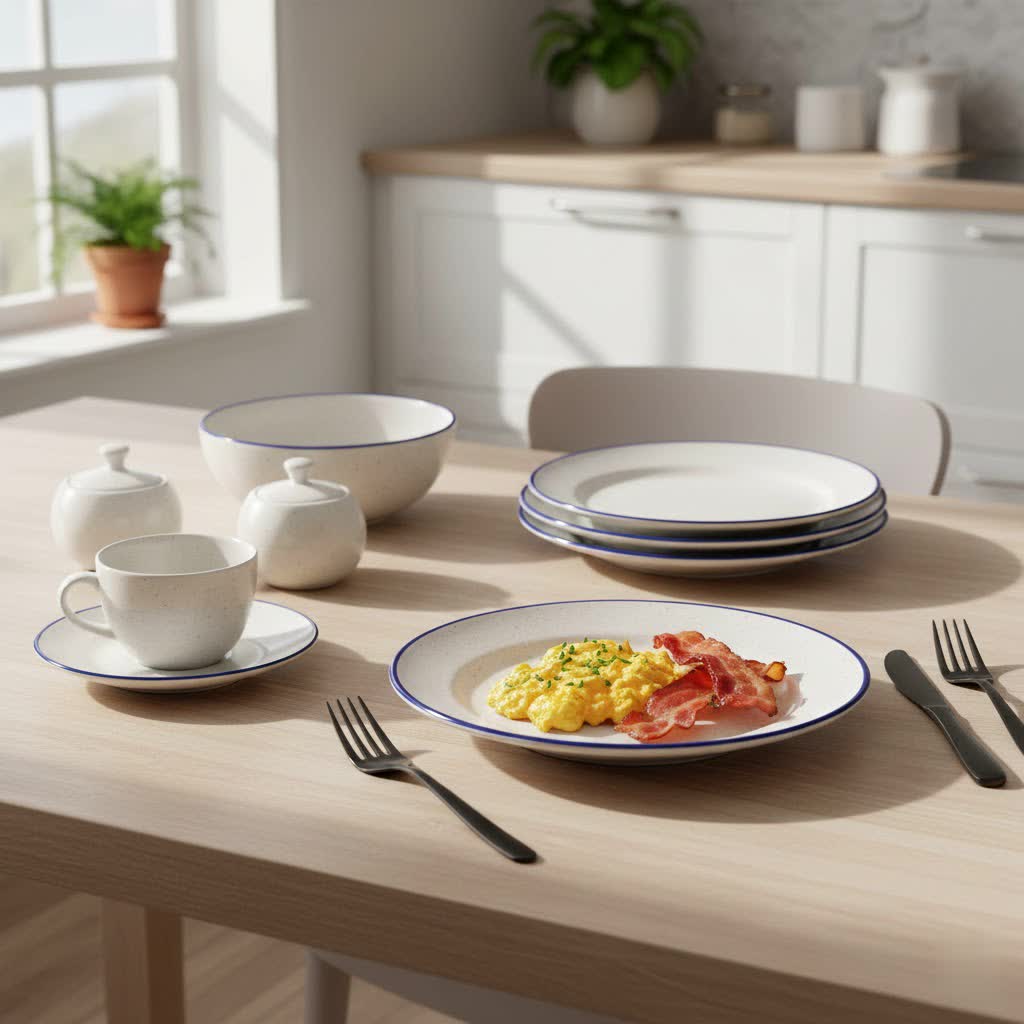
For those who appreciate craftsmanship, durability, and a touch of local artistry on their dining table, American-made ceramic dinnerware stands as a testament to quality. Choosing dinnerware that is “Made in USA” not only supports local artisans and industries but often guarantees a product crafted under stringent environmental and safety standards. This guide will walk you through everything you need to know about selecting the best ceramic dinnerware from American brands, ensuring your dining experience is both beautiful and reliable.
What is Ceramic Dinnerware?
Ceramic dinnerware encompasses a broad category of tableware created from clay and other raw materials, shaped, and then fired at high temperatures. This ancient art form has evolved significantly over millennia, playing a central role in culinary cultures worldwide. From prehistoric earthenware pots to the sophisticated porcelain services of today, ceramic pieces have always been integral to food preparation, serving, and storage. The fundamental process involves forming clay into desired shapes, drying it, and then firing it in a kiln, often followed by glazing and a second firing to create a non-porous, decorative, and durable surface.
Types of Ceramic Dinnerware
Understanding the different types of ceramic dinnerware is key to choosing the right set for your home, each offering unique characteristics in terms of durability, appearance, and care.
Bone China
Table is empty.Bone China is renowned for its exceptional strength, chip resistance, and delicate, translucent appearance. It is made from bone ash, feldspar, and kaolin, resulting in a lightweight yet incredibly durable material. Its elegant, refined aesthetic makes it a popular choice for formal dining, often seen in luxurious settings. While more expensive, its resilience and sophisticated look justify the investment for many.
Stoneware
Stoneware is a robust and opaque ceramic known for its earthy, rustic charm. Made from a specific clay fired at high temperatures, it becomes dense and non-porous, even without a glaze. Its durability makes it ideal for everyday use, capable of withstanding the rigors of microwave, oven, and dishwasher. Stoneware often features rich, natural textures and glazes, adding warmth to any table setting.
Earthenware
Earthenware is the oldest and most traditional form of pottery, characterized by its porous nature and relatively low firing temperature. It often has a rustic, handcrafted feel and comes in a wide range of vibrant colors. While beautiful and often more affordable, earthenware is generally less durable than stoneware or porcelain and can be prone to chipping and absorbing liquids if not properly glazed. It requires careful handling and is best suited for less intensive use.
Porcelain
Porcelain is a versatile and elegant ceramic, celebrated for its smooth, non-porous surface and bright white appearance. Fired at very high temperatures, it is highly durable, chip-resistant, and suitable for both everyday meals and special occasions. Its refined finish and strength make it a popular choice for those seeking a balance of aesthetics and practicality. Porcelain is also microwave, oven, and dishwasher safe, offering excellent thermal retention.
Advantages and Disadvantages of Ceramic Dinnerware
Ceramic dinnerware offers a blend of aesthetic appeal and functionality, but like any material, it comes with its own set of pros and cons.
Advantages
- High Aesthetic Appeal: Available in a vast array of designs, colors, and finishes, ceramic dinnerware can complement any home decor style, from minimalist modern to rustic farmhouse. The handcrafted nature of many American brands adds unique character.
- Health Safety: High-quality ceramic dinnerware, especially those made in the USA, often adheres to strict safety standards, ensuring it is lead-free and free from other harmful toxins, making it safe for food contact.
- Easy to Clean and Maintain: Most ceramic dinnerware is designed to be dishwasher safe, and its non-porous surfaces (especially porcelain and stoneware) resist stains and odors, making cleaning effortless.
- Good Heat Retention: Ceramic materials are excellent at retaining heat, keeping your food warm longer, which is a significant benefit for serving multi-course meals or slow eaters.
- Versatility: Many ceramic pieces are safe for use in the microwave and oven, offering convenience for reheating or baking.
Disadvantages
- Fragility: Despite varying degrees of durability, ceramic dinnerware is inherently more prone to breakage, chipping, or cracking compared to materials like melamine or certain glass types, especially if dropped or subjected to heavy impact.
- Weight: Some types, particularly stoneware, can be quite heavy, making them less convenient for everyday handling or for individuals with mobility issues.
- Potential for Scratches: While durable, some ceramic glazes can show utensil marks or scratches over time, especially with heavy use or abrasive cleaning.
- Higher Cost: High-quality, artisan-made ceramic dinnerware, particularly from American brands, can be more expensive than mass-produced alternatives.
Comparison Table of Ceramic Dinnerware Types
| Type of Ceramic | Advantages | Disadvantages | Durability | Price Range |
|---|---|---|---|---|
| Bone China | Lightweight, translucent, highly chip-resistant, elegant | More fragile to impact, highest cost | Very High | High |
| Stoneware | Durable, rustic aesthetic, excellent heat retention, oven/microwave safe | Heavier, can chip if dropped hard | High | Mid-Range |
| Earthenware | Affordable, wide range of colors, rustic charm | Porous, less durable, prone to chipping/cracking | Low | Low |
| Porcelain | Smooth, non-porous, versatile, strong, microwave/oven safe | Can be expensive, susceptible to impact breaks | High | Mid-to-High |
Guide to Choosing American-Made Ceramic Dinnerware
Selecting the perfect ceramic dinnerware set involves more than just picking a pretty pattern. Consider these factors to ensure you make an informed decision that suits your lifestyle and preferences.
Determine Your Usage Needs
Before diving into brands, assess how you’ll primarily use your dinnerware.
- Family Size: A larger family or frequent entertainers will need more place settings and serving pieces.
- Frequency of Use: Everyday dinnerware needs to be robust and easy to clean, while special occasion sets can prioritize aesthetics.
- Dining Style: Do you prefer casual, rustic meals, or more formal gatherings? This will guide your choice of material and design.
Choose the Right Ceramic Type
Based on the pros and cons discussed, match the ceramic type to your needs.
- For everyday durability and rustic appeal, stoneware is an excellent choice.
- For elegance and high chip resistance, porcelain or bone china is ideal.
- If you value affordability and a handcrafted, colorful look for less frequent use, earthenware might be suitable.
Check Product Quality
High-quality ceramic dinnerware should exhibit certain characteristics upon inspection.
- Smooth, Even Glaze: The surface should be free of bumps, pits, or uneven patches.
- No Chips or Cracks: Run your fingers along the edges and surfaces to detect any imperfections.
- Consistent Color: Ensure the color is uniform across all pieces in the set.
- Sound Test: Gently tap the rim of a plate with a finger; a clear, ringing sound usually indicates good firing and quality, whereas a dull thud might suggest a flaw.
Shop from Reputable Stores and Brands
Purchasing from well-known American brands or established retailers ensures authenticity and access to customer support.
- Verify Origin: Always confirm that the brand explicitly states “Made in USA” or “Handcrafted in the USA.”
- Warranty and Returns: Look for companies offering warranties against defects or straightforward return policies.
- Read Reviews: Customer reviews can provide insights into a brand’s product quality and service.
Care and Maintenance of Ceramic Dinnerware
Proper care extends the life and beauty of your ceramic dinnerware. While many American-made ceramics are highly durable, a few simple practices can keep them looking new for years.
Cleaning
- Gentle Handwashing: For delicate pieces or those with metallic accents, handwash with warm water and a mild dish soap. Use a soft sponge or cloth to avoid scratching the glaze.
- Dishwasher Use: Most modern stoneware and porcelain are dishwasher safe. However, avoid overcrowding the dishwasher to prevent chipping from contact between pieces.
- Avoid Harsh Cleaners: Abrasive cleaners, scouring pads, or harsh chemical detergents can damage the glaze and finish over time.
- Stain Removal: For tough stains (like coffee or tea), a baking soda paste or a diluted bleach solution (for white ceramics) can be effective.
Storage
- Stack Carefully: When stacking plates or bowls, place a soft cloth or felt pad between each piece to prevent scratches and chips.
- Avoid Sudden Temperature Changes: Extreme and sudden changes in temperature can cause thermal shock, leading to cracks. Allow dishes to cool completely before washing or moving them from the oven to a cold surface.
- Protect from Impacts: Store dinnerware in cabinets where it won’t easily fall or be knocked against other hard objects.
Notable American Ceramic Dinnerware Brands
The USA is home to a vibrant community of ceramic artisans and manufacturers committed to producing high-quality dinnerware. Here are some of the most respected brands known for their craftsmanship and dedication to American manufacturing.
- Fiesta Tableware Company: Established in 1871 in Newell, West Virginia, Fiesta is iconic for its vibrant, lead-free, and dishwasher-safe ceramic dinnerware. Known for its extensive range of colors and art deco design, Fiesta offers casual yet durable pieces.
- Heath Ceramics: Founded in 1948 in Sausalito, California, Heath Ceramics is celebrated for its handcrafted ceramic dinnerware, tiles, and accessories. Their pieces feature natural textures and glazes, often embodying a rustic-chic aesthetic.
- HF Coors: A certified Service Disabled Veteran Owned Small Business based in Tucson, Arizona, HF Coors has been producing 100% American-made ceramic dinnerware since 1925. Their products are known for extreme durability, often used in restaurants.
- Bennington Potters: Operating since 1948 in Bennington, Vermont, this brand specializes in durable, handmade stoneware dinnerware with a classic, timeless appeal.
- East Fork Pottery: Based in Asheville, North Carolina, East Fork, established in 2010, creates minimalist ceramic dinnerware from regionally sourced materials, known for their simple, uncluttered designs and vibrant colors.
- Bauer Pottery: With roots dating back to 1878 in California, Bauer Pottery is famous for its traditional, Mid-Century Modern styled ceramic tableware, offering durable dishes perfect for daily use.
- Pickard China: An enduring name since 1893 in Antioch, Illinois, Pickard produces classic fine china, known for its upscale elegance and sophisticated patterns, making it a choice for formal occasions and collectors.
- HAAND: From North Carolina, HAAND offers handmade modern rustic porcelain dinnerware, distinguished by unique glazes and textures that bring a playful yet refined touch to the table.
- Emerson Creek Pottery: Located in Bedford, Virginia, since 1977, Emerson Creek is known for its handmade cottagecore stoneware, perfect for those who appreciate a cozy, rustic aesthetic.
- Stoneware & Co.: A Kentucky-based company, Stoneware & Co. creates rustic-chic stoneware, combining traditional craftsmanship with modern design sensibilities.
“Investing in American-made ceramic dinnerware is more than just buying dishes; it’s an investment in quality, sustainability, and supporting local communities. The craftsmanship often reflects a deeper commitment to both durability and design.” – Sarah Miller, Home Goods Reviewer
Conclusion
Choosing American-made ceramic dinnerware is a decision that blends style, quality, and conscious consumerism. From the delicate translucence of bone china to the rugged charm of stoneware, the variety of options ensures there’s a perfect set for every home and occasion. By understanding the different types of ceramics, recognizing quality indicators, and selecting reputable brands, you can curate a dining experience that is both aesthetically pleasing and exceptionally durable. Remember that careful cleaning and storage will help your chosen pieces remain a cherished part of your home for years to come. What American ceramic dinnerware brand will you choose to elevate your next meal?
Frequently Asked Questions
What makes American-made ceramic dinnerware a good choice?
American-made ceramic dinnerware often boasts superior quality control, adherence to strict safety standards (like being lead-free), and supports local economies. Brands frequently emphasize craftsmanship, unique designs, and durability, providing a long-lasting and aesthetically pleasing product.
Is Corelle dinnerware made in the USA?
While Corelle is an American brand, only its Vitrelle glass dinnerware line is currently made in the USA. Other Corelle products may be manufactured elsewhere, so it’s important to check the specific product’s origin if you’re seeking US-made ceramics.
How can I tell if ceramic dinnerware is lead-free?
Reputable American ceramic dinnerware brands will explicitly state on their packaging or website that their products are lead-free. Look for certifications or direct assurances from the manufacturer, as US regulations for dinnerware safety are generally quite strict.
What is the most durable type of ceramic dinnerware for everyday use?
Stoneware and porcelain are generally considered the most durable types of Ceramic Dinnerware for everyday use. Both are fired at high temperatures, making them resistant to chips, cracks, and thermal shock, and are often microwave, oven, and dishwasher safe.
Do handmade American ceramic dishes require special care?
Handmade ceramic dishes often benefit from gentle care. While many are designed for daily use, handwashing with mild soap and avoiding extreme temperature changes can preserve their unique glazes and finishes, especially for delicate or artistic pieces.
Are there any luxury American ceramic dinnerware brands?
Yes, brands like Pickard China are known for their luxury fine china, often chosen for formal dining. Other brands such as Heath Ceramics and HAAND offer high-end, artisan-crafted porcelain and stoneware with unique designs and exquisite finishes that cater to a luxury market.