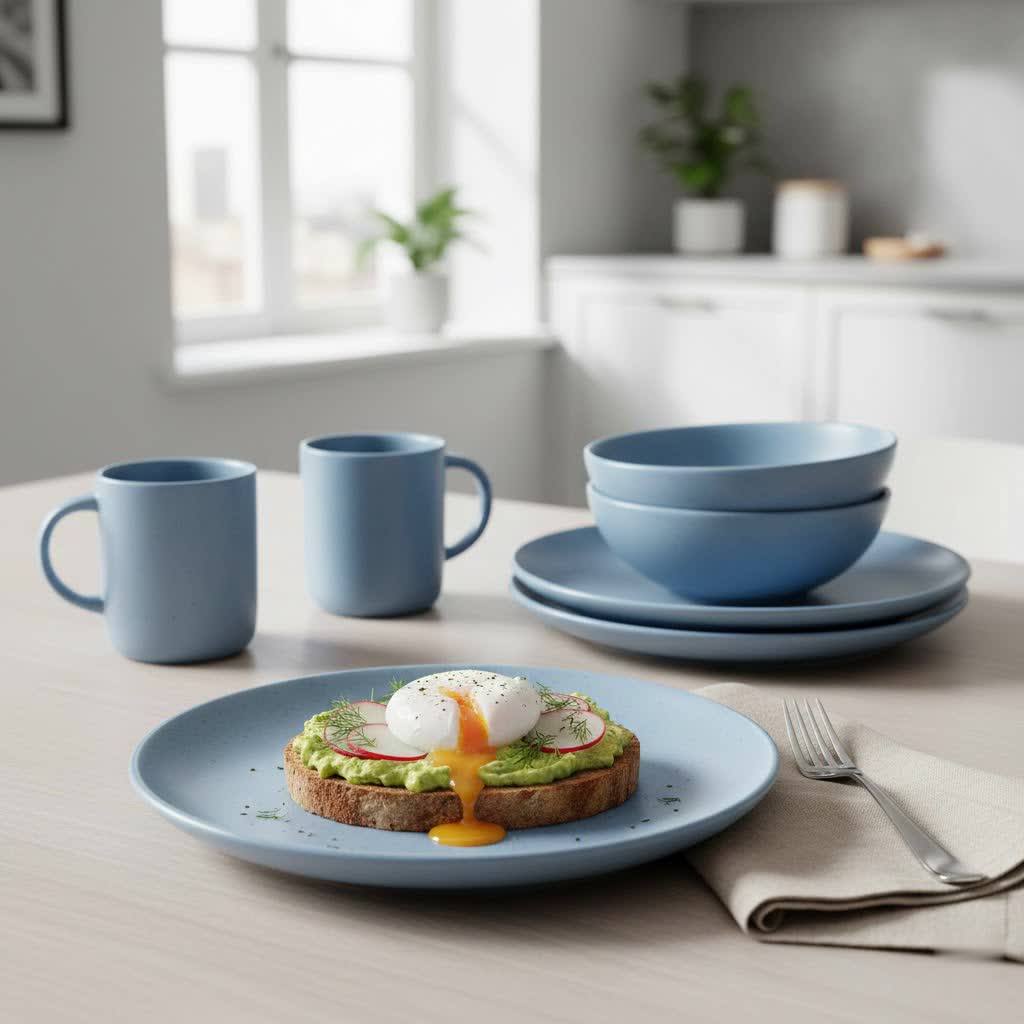
Transforming your dining table from mundane to magnificent doesn’t require a complete overhaul; it simply asks for a creative eye and a touch of confidence. Mixing and matching ceramic colors is an art form that allows you to infuse personality into every meal, reflecting your unique style without committing to a single, monotonous dinnerware set. This approach celebrates individuality, turning each dining occasion into a curated experience.
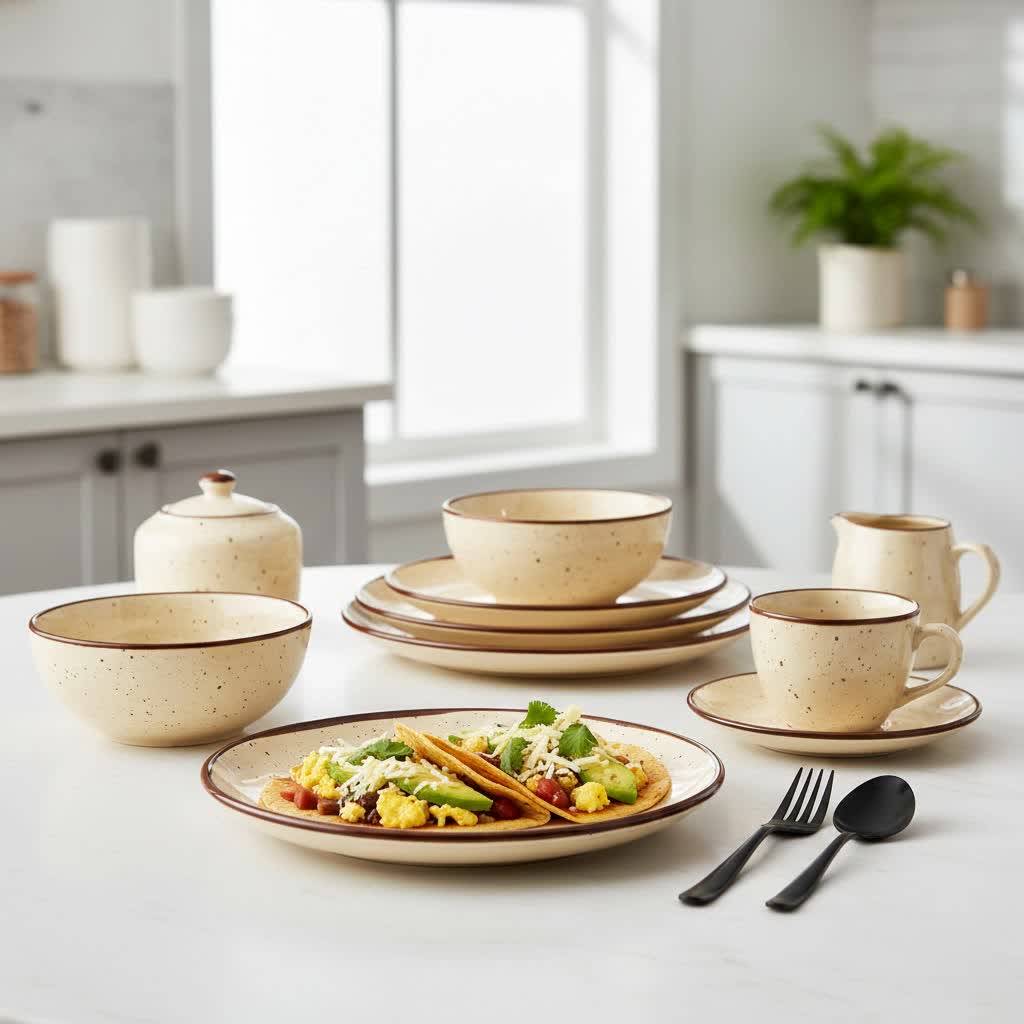
The Art of Mixing and Matching Ceramic Dinnerware
Gone are the days when a perfectly matched dinnerware set was the only acceptable option. Today, the charm lies in the curated, the eclectic, and the unexpected. Mixing and matching ceramic dinnerware isn’t just a trend; it’s a testament to personal expression and an evolving aesthetic. It offers the freedom to combine pieces collected over time, celebrate various artisanal styles, and adapt your table setting to any mood or occasion. This dynamic approach allows for endless creativity, making every meal a canvas for your artistic flair and personal touch.
Understanding the Fundamentals of Color Theory
At the heart of any successful mix-and-match strategy lies a basic understanding of color theory. Colors wield significant power, influencing emotions and setting the ambiance of your dining space.
- Warm Colors: Hues like red, orange, and yellow are known for their ability to evoke feelings of warmth, energy, and happiness. In dinnerware, they can stimulate appetite and create a cozy, intimate atmosphere, perfect for lively family dinners.
- Cool Colors: On the other hand, greens, blues, and purples tend to inspire tranquility, relaxation, and freshness. These colors are excellent for creating a sophisticated or serene dining experience, ideal for light meals, salads, or summer gatherings.
- Neutral Colors: White, gray, black, ivory, and beige are the unsung heroes of any color palette. They are incredibly versatile, providing balance and grounding for bolder choices. Neutrals can create a sleek, modern backdrop or soften a more vibrant arrangement, ensuring your table feels cohesive, not chaotic.
Understanding these color dynamics empowers you to make intentional choices that enhance both the visual appeal of your table and the overall dining experience.
Building Your Ceramic Color Palette
Crafting a harmonious ceramic color palette involves a blend of intuition and strategic planning. The goal is to create a visually appealing arrangement that feels thoughtfully assembled.
A great starting point is to start with a neutral foundation. White, cream, or light gray plates serve as the perfect canvas, offering endless possibilities for layering and accentuation. Their inherent versatility means they will complement virtually any color or pattern you introduce.
Next, choose a dominant color that resonates with your personal style or the desired mood. This primary hue will act as the unifying thread for your entire table setting. For instance, if you love coastal vibes, a dominant blue could be your anchor.
Once you have your foundation and dominant color, consider venturing into complementary or analogous schemes. Complementary colors (like blue and orange) offer high contrast and vibrancy, while analogous colors (like blue, teal, and green) create a more serene and harmonious flow. Don’t be afraid to introduce pops of color through smaller accent pieces. A vibrant salad plate, a brightly colored bowl, or even decorative ceramic pieces can inject energy and interest without overwhelming your main palette.
Beyond Color: Incorporating Patterns, Textures, and Shapes
Mixing and matching extends far beyond just color; it’s about creating a rich, multi-dimensional tablescape by thoughtfully combining various elements.
Mixing Patterns with Purpose
The idea of mixing patterns can seem daunting, but when done correctly, it adds immense character and visual appeal.
- Solid and Patterned Combinations: A fail-safe method is to pair solid-colored dinner plates with patterned salad plates or bowls. This allows patterns to shine without competing for attention.
- Unified Color Themes for Diverse Patterns: If you’re combining different patterns—think florals, geometric designs, and stripes—ensure they share at least one common color. This subtle connection creates a sense of cohesion even amidst varied designs.
- Considering Scale and Visual Balance: Alternate between large and small patterns to avoid a monotonous or overwhelming look. A large floral dinner plate might be beautifully complemented by a delicate striped accent plate.
|
Our Picks for the Best Ceramic dinnerware in 2026
As an Amazon Associate I earn from qualifying purchases.
|
||
| Num | Product | Action |
|---|---|---|
| 1 | TheTerra Stoneware Dinnerware Sets for 4, 12 Pieces Ceramic Plates and Bowls Sets, Scratch Resistant Dish Set, Oven, Microwave & Dishwasher Safe, Coca Mocha |

|
| 2 | vancasso Bonita Stoneware Dinnerware Sets 24 Pieces Service for 6, Hand-Painted Spiral Dishes Set, Ceramic Kitchen Plates and Bowls Sets-Microwave and Dishwasher Safe (Blue,24 Pcs) |
|
| 3 | Gibson Home Oslo 12-Piece Porcelain Chip and Scratch Resistant Dinnerware Set, Service for 4 – Black Plates and Bowls, Microwave & Dishwasher Safe |
|
| 4 | Corelle Vitrelle 18-Piece Service for 6 Dinnerware Set, Triple Layer Glass and Chip Resistant, Lightweight Round Plates and Bowls Set, Portofino |
|
| 5 | TheTerra Stoneware Dinnerware Sets for 4, 12 Pieces Ceramic Plates and Bowls Sets, Scratch Resistant Dish Set, Oven, Microwave & Dishwasher Safe, Dusk Blue |
|
| 6 | Corelle Vitrelle 18-Piece Service for 6 Dinnerware Set Triple Layer Glass and Chip Resistant, Lightweight Round Plates and Bowls Set, Winter Frost White |
|
| 7 | TheTerra Stoneware Dinnerware Sets for 4, 12 Pieces Ceramic Plates and Bowls Sets, Scratch Resistant Dish Set, Oven, Microwave & Dishwasher Safe, Autumn Haze |
|
| 8 | Gibson Home Oslo Dinnerware Set for 4, 16-Piece White Porcelain Plates and Bowls — Ceramic Dish Set - Microwave & Dishwasher Safe |
|
| 9 | TheTerra Stoneware Dinnerware Sets for 4, 12 Pieces Ceramic Plates and Bowls Sets, Scratch Resistant Dish Set, Oven, Microwave & Dishwasher Safe, Creamy Amber |
|
| 10 | Corelle Vitrelle 18 Piece Glass Dinnerware Sets Service for 6, Triple Layer Chip & Crack Resistant Glass Plate and Bowl Sets, Laila |
|
Embracing Textures for Depth
Texture adds a tactile and visual richness that elevates a table setting. Don’t shy away from mixing different ceramic finishes.
- Glossy vs. Matte: The sleek sheen of a glossy porcelain plate can beautifully contrast with the understated elegance of a matte-finished stoneware bowl.
- Smooth vs. Rustic Stoneware: A smooth, refined piece can be grounded by the organic, earthy feel of rustic stoneware, creating an inviting balance between elegance and casual comfort.
Playing with Shapes and Sizes
Varying the shapes and sizes of your ceramic dinnerware creates visual intrigue and dynamism.
- Round, Square, Oval for Dynamic Settings: Combine classic round dinner plates with modern square salad plates or unique oval serving dishes. To maintain cohesion, try to keep one element consistent, such as a shared color or material.
- Layering Techniques: Mastering the art of layering is key. Start with a charger, add a larger dinner plate, then a smaller salad or appetizer plate, and finally a soup or cereal bowl. This builds height and depth, making each place setting a miniature work of art.
Practical Tips for the DIY Enthusiast
You don’t need to be a professional designer to create stunning ceramic tablescapes. Embrace your inner DIY pro with these practical tips:
- Start Small and Experiment: Begin by introducing just one or two new pieces to your existing dinnerware. See how different colors, patterns, or textures interact before committing to a larger collection. Thrift stores, artisan markets, and online shops are fantastic places to find unique individual pieces.
- Integrate Existing Pieces: Look at what you already own with fresh eyes. Can that plain white dinner plate be the perfect base for a vibrant patterned bowl you just found? Can those rustic ceramic mugs complement sleek modern plates?
- Accessorize Smartly: Beyond plates and bowls, use chargers, cloth napkins, placemats, glassware, and centerpieces to tie your mixed ceramics together. A neutral charger can ground a bold plate combination, while colorful napkins can echo a hue found in a patterned dish.
- Blend Old with New: One of the most charming aspects of mixing and matching is incorporating vintage finds with contemporary pieces. An antique floral china plate paired with a simple, modern ceramic bowl creates a rich narrative and a sense of collected history.
- Season and Occasion: Let the season or event guide your choices. Warm, earthy tones for autumn, bright pastels for spring, or cool blues for a summer gathering can naturally inform your ceramic selections.
Common Mistakes to Avoid
While mixing and matching encourages freedom, a few pitfalls can hinder your tablescape’s success. Avoid overwhelming the table with too many competing elements, as this can lead to a chaotic, rather than curated, look. Instead, aim for a “collected” feel, where each piece contributes to an intentional design. Another common mistake is ignoring cohesion; even with diverse pieces, there should always be a unifying element, whether it’s a shared color, texture, or style. Lastly, don’t forget about functionality and care. Ensure your chosen pieces are practical for dining and easy to maintain.
Frequently Asked Questions
What’s the easiest way to start mixing ceramic colors?
Begin with a set of neutral-colored ceramic dinner plates (like white, cream, or light gray) and introduce accent pieces in one or two complementary colors, such as salad plates or bowls. This provides a versatile base while allowing you to experiment with pops of color without overcommitting.
How do I ensure my mixed dinnerware doesn’t look messy?
To maintain a cohesive look, stick to a dominant color palette or ensure that different patterns share a common color. Incorporate neutral pieces to provide visual breathing room, and pay attention to layering and balance to create a harmonious arrangement rather than a random assortment.
Can I mix different materials with ceramics?
Absolutely! Pairing ceramics with other materials like wooden chargers, glass tumblers, metal cutlery, or linen napkins can add texture and depth, enhancing your table setting. The key is to find complementary materials that elevate the overall aesthetic without clashing.
How often should I refresh my ceramic dinnerware collection?
There’s no strict rule, but refreshing your collection as your personal style evolves or as new seasons and occasions arise is a great approach. You don’t need to buy entire new sets; simply adding a few new accent pieces or swapping out linens can dramatically change the look and feel of your table.
Mixing and matching ceramic colors is an empowering way to infuse your dining experiences with character and charm. By understanding basic color principles, embracing varied patterns, textures, and shapes, and applying practical DIY tips, you can confidently craft table settings that are uniquely yours. Let your creativity flow and enjoy the process of transforming your table into a reflection of your personal style.