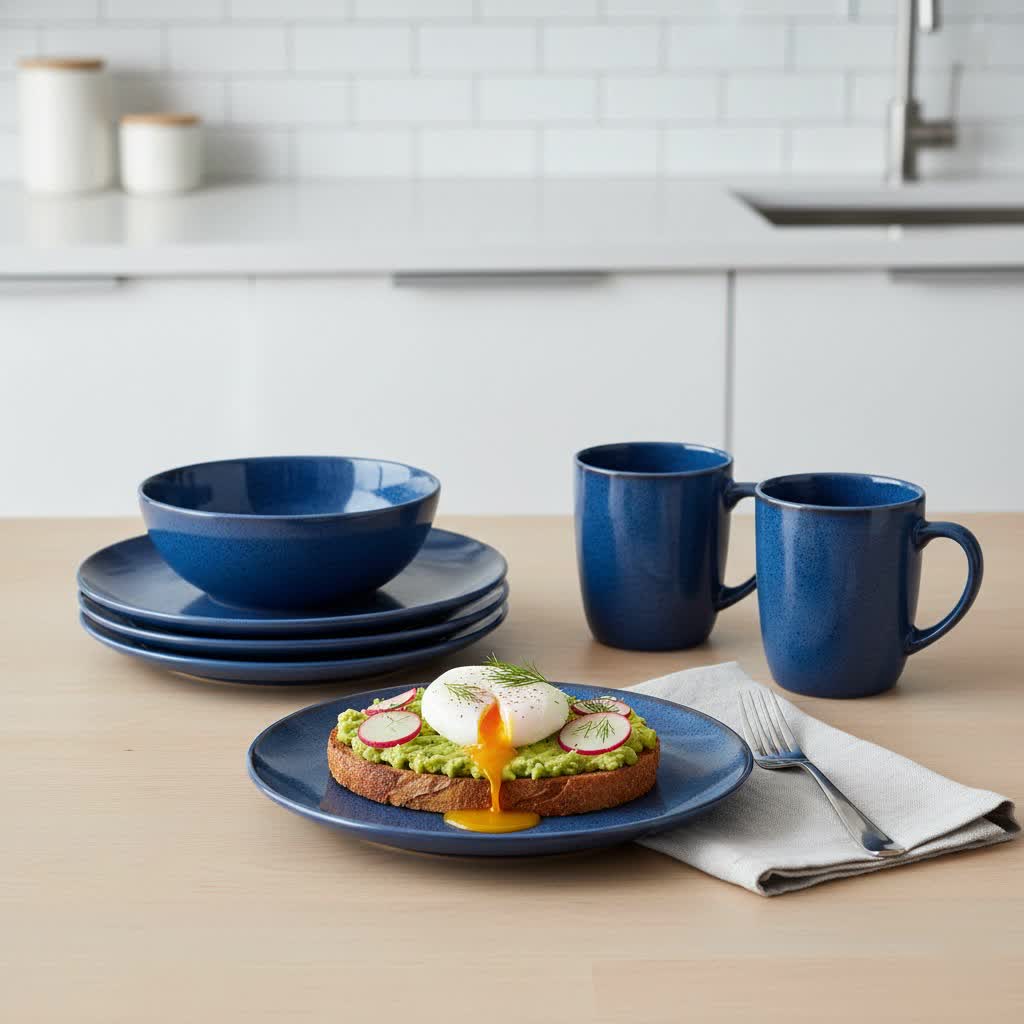
Imagine a perfectly cooked meal, meticulously prepared, only to have it cool rapidly the moment it touches a cold plate. It’s a common culinary oversight that can diminish the entire dining experience. Warming ceramic plates before serving is a simple yet impactful technique that professional chefs and seasoned home cooks alike employ to ensure every bite of your hot food remains delightful, flavorful, and at its optimal temperature. This guide will walk you through the essential methods, benefits, and safety considerations for warming your ceramic dinnerware, transforming your everyday meals into extraordinary dining occasions.
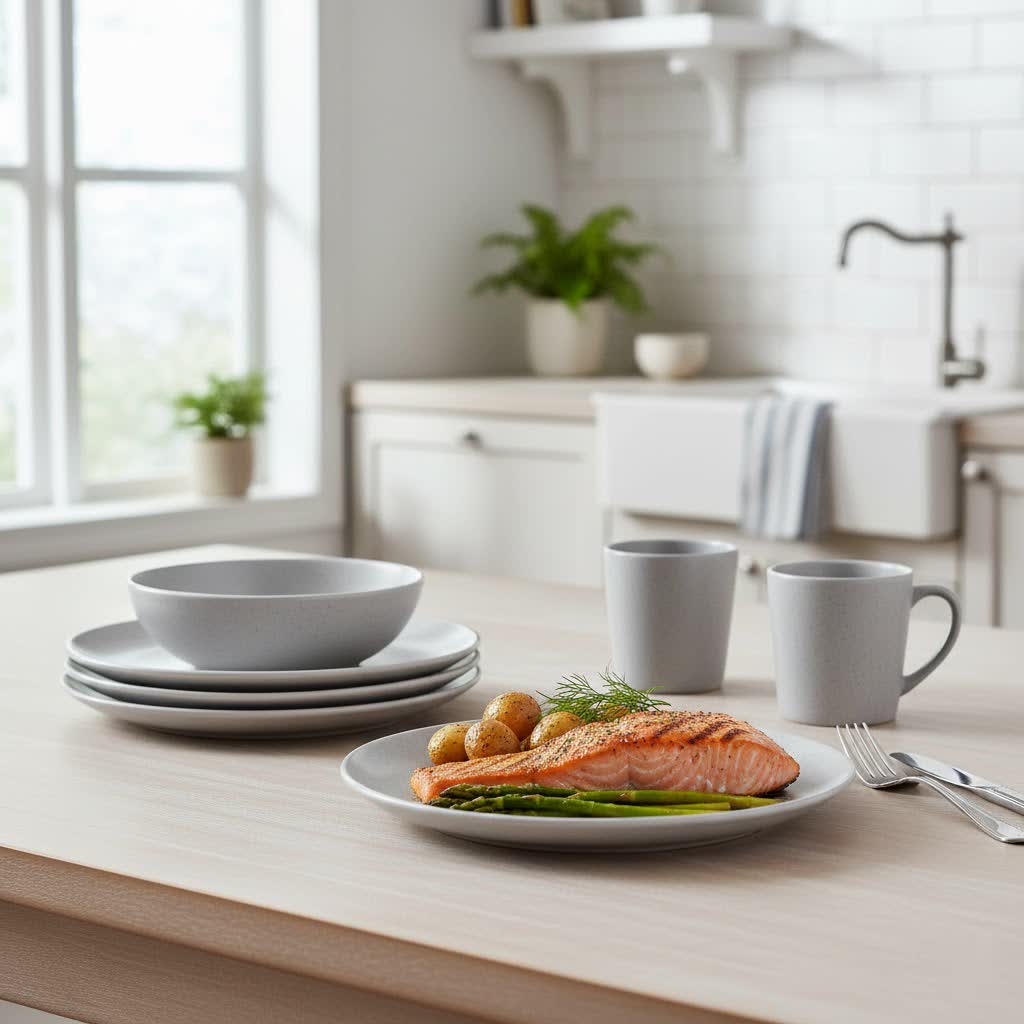
What is Ceramic Dinnerware?
Ceramic dinnerware encompasses a wide range of tableware crafted from clay and other raw materials, shaped, and then fired at high temperatures. Its history is intertwined with human civilization, evolving from rudimentary vessels to intricate works of art and practical dining essentials. For centuries, ceramic pieces have graced tables worldwide, prized for their beauty, durability, and ability to retain heat, making them ideal for serving a variety of dishes. The composition and firing process dictate the final characteristics, including how effectively a ceramic plate can be warmed and how well it maintains that warmth.
Types of Common Ceramic Dinnerware
Understanding the different types of ceramic dinnerware can help you choose the best pieces for warming and serving.
- Bone China: Renowned for its delicate appearance, translucence, and exceptional strength, bone china is a type of porcelain containing bone ash. It is lightweight, remarkably durable, and excellent at retaining heat, making it a luxurious choice for warming.
- Stoneware: Characterized by its earthy, substantial feel, stoneware is fired at high temperatures, making it less porous than earthenware. It’s incredibly durable and robust, offering superior heat retention, though it can be heavier and thicker than bone china or porcelain.
- Earthenware: As one of the oldest forms of pottery, earthenware is fired at lower temperatures, resulting in a more porous material. While often rustic and charming, it’s generally less durable and can be more prone to chipping and absorbing liquids. It can be warmed but might not retain heat as efficiently or safely as other ceramics due to its porosity and lower firing temperatures.
- Porcelain: Fired at very high temperatures, porcelain is non-porous, highly durable, and often exhibits a classic, elegant aesthetic. It’s an excellent choice for warming as it retains heat exceptionally well and is resistant to thermal shock, provided it is handled correctly.
|
Our Picks for the Best Ceramic dinnerware in 2026
As an Amazon Associate I earn from qualifying purchases.
|
||
| Num | Product | Action |
|---|---|---|
| 1 | TheTerra Stoneware Dinnerware Sets for 4, 12 Pieces Ceramic Plates and Bowls Sets, Scratch Resistant Dish Set, Oven, Microwave & Dishwasher Safe, Autumn Haze |

|
| 2 | vancasso Bonita Stoneware Dinnerware Sets 24 Pieces Service for 6, Hand-Painted Spiral Dishes Set, Ceramic Kitchen Plates and Bowls Sets-Microwave and Dishwasher Safe (Blue,24 Pcs) |
|
| 3 | Gibson Home Oslo 12-Piece Porcelain Chip and Scratch Resistant Dinnerware Set, Service for 4 – Black Plates and Bowls, Microwave & Dishwasher Safe |
|
| 4 | TheTerra Stoneware Dinnerware Sets for 4, 12 Pieces Ceramic Plates and Bowls Sets, Scratch Resistant Dish Set, Oven, Microwave & Dishwasher Safe, Coca Mocha |
|
| 5 | Corelle Vitrelle 18 Piece Glass Dinnerware Sets Service for 6, Triple Layer Chip & Crack Resistant Glass Plate and Bowl Sets, Laila |
|
| 6 | Corelle Vitrelle 18-Piece Service for 6 Dinnerware Set Triple Layer Glass and Chip Resistant, Lightweight Round Plates and Bowls Set, Winter Frost White |
|
| 7 | Gibson Home Oslo Dinnerware Set for 4, 16-Piece White Porcelain Plates and Bowls — Ceramic Dish Set - Microwave & Dishwasher Safe |
|
| 8 | Corelle Vitrelle 18-Piece Service for 6 Dinnerware Set, Triple Layer Glass and Chip Resistant, Lightweight Round Plates and Bowls Set, Portofino |
|
| 9 | TheTerra Stoneware Dinnerware Sets for 4, 12 Pieces Ceramic Plates and Bowls Sets, Scratch Resistant Dish Set, Oven, Microwave & Dishwasher Safe, Creamy Amber |
|
| 10 | TheTerra Stoneware Dinnerware Sets for 4, 12 Pieces Ceramic Plates and Bowls Sets, Scratch Resistant Dish Set, Oven, Microwave & Dishwasher Safe, Dusk Blue |
|
Advantages and Disadvantages of Warming Ceramic Plates
Warming your ceramic plates offers numerous benefits that elevate the dining experience, but it also comes with a few considerations.
Advantages:
- Enhanced Dining Experience: Hot food on a warm plate tastes better. The heat prevents rapid cooling, allowing flavors to fully develop and remain vibrant throughout the meal. It also enhances the aroma, making each bite more satisfying.
- Keeps Food Warm Longer: A pre-warmed plate acts as a thermal buffer, preventing heat from leaching out of your hot food into a cold surface. This ensures that dishes like steaks, pasta, or casseroles maintain their ideal serving temperature for an extended period.
- Preserves Texture and Moisture: For delicate foods such as grilled fish or pan-seared scallops, a cold plate can quickly compromise their texture and moisture. Warming plates help maintain the crispness of vegetables and the juiciness of proteins.
- Professional Presentation: Serving food on warm plates is a hallmark of fine dining and adds a touch of sophistication to any meal, signaling care and attention to detail.
Disadvantages:
- Requires Extra Time and Effort: Warming plates adds an extra step to your meal preparation, which might not always be practical for hurried weeknight dinners.
- Risk of Burns: Plates can become very hot when warmed, requiring careful handling with oven mitts or thick towels to prevent burns.
- Potential for Thermal Shock: Rapid temperature changes can cause some ceramic plates to crack or break due to thermal shock. It’s crucial to ensure your dinnerware is suitable for warming and to follow recommended procedures.
Comparison Table of Plate Warming Methods
| Method | Pros | Cons | Ideal for |
|---|---|---|---|
| Oven | Even, consistent heat; can warm multiple plates simultaneously | Takes longer; uses energy; oven may be occupied with cooking | Large gatherings; consistent, thorough warming |
| Microwave | Fast and convenient for individual plates or small stacks | Can lead to uneven heating; potential for plate damage if not microwave-safe or without water | Quick warm-up for a few plates; emergency situations |
| Hot Water Bath | Simple, no special equipment needed; quick | Plates get wet and need thorough drying; less consistent heat retention compared to oven | Small batches; quick, easy solution |
| Warming Drawer | Designed specifically for plate warming; gentle, consistent heat | Requires a dedicated appliance; generally slower | Dedicated kitchens; frequent entertaining |
| Electric Plate Warmer | Portable; provides gentle, consistent heat; convenient for serving table | Requires a dedicated appliance and storage; initial cost; typically for smaller stacks of plates | Entertaining; maintaining warmth at the table |
How to Safely and Effectively Warm Ceramic Plates
Mastering the art of plate warming involves selecting the right method and adhering to safety guidelines.
Preparation:
Before warming, always check if your ceramic plates are labeled “oven-safe” or “microwave-safe.” Ensure they are clean and completely dry to prevent steaming or potential cracking.
Oven Method: The Most Common Approach
The oven is generally considered the most effective way to warm ceramic plates, providing even and consistent heat.
- Temperature and Time: Preheat your oven to its lowest setting, typically between 140°F and 190°F (60°C to 90°C). Stack your ceramic plates directly on the oven rack, allowing for good air circulation if possible. Warm them for approximately 10 to 15 minutes.
- Using a Warming Drawer: If your oven has a dedicated warming drawer, this is an excellent option as it’s designed to maintain a gentle, consistent heat without the risk of overheating.
- When the Oven is in Use: If your oven is already occupied, you can still utilize its residual heat. Once you remove your cooked food (e.g., a roast that needs to rest), turn the oven off or reduce the temperature to around 200°F. Place your plates inside for about 5 minutes. The residual heat will warm them sufficiently without consuming extra energy.
- Toaster Oven: For smaller meals or fewer plates, a toaster oven can be an energy-efficient alternative, set to its lowest temperature.
Microwave Method: For Speed and Convenience
The microwave offers a quick solution, especially for a single plate or a small stack.
- With Water: Microwaves primarily heat water molecules. To safely warm plates and prevent potential damage to the ceramic or the appliance, always include water. You can place a microwave-safe cup of water alongside the plates or add a tablespoon of water to each plate before stacking.
- Timing: Microwave on high for 30 seconds to 2 minutes, depending on the number and thickness of your plates. Start with shorter intervals and check the temperature. Plates can become extremely hot very quickly in a microwave.
- Caution: Always use oven mitts or a thick cloth when removing plates from the microwave.
Hot Water Bath Method: A Simple Alternative
This method is straightforward and doesn’t require an oven or microwave.
- Submerge: Fill a clean sink or a large basin with the hottest tap water. Carefully submerge your ceramic plates, ensuring they are fully covered.
- Soak and Dry: Let them sit for about 5 minutes. Before serving, carefully remove each plate and thoroughly dry it with a clean towel to prevent watermarks or diluting your food.
Warming Drawer or Electric Plate Warmer: Dedicated Solutions
For those who frequently entertain or desire a specialized appliance:
- Warming Drawers are built-in features in some modern kitchens, providing a consistent low heat perfect for keeping plates and food warm.
- Electric Plate Warmers are standalone devices, often resembling heated fabric pockets or stacked trays, designed to gently warm a stack of plates. They offer convenience and portability for serving at the table.
Important Considerations When Warming Ceramic Dinnerware
To ensure both safety and the longevity of your beautiful ceramic dinnerware, keep these critical points in mind.
- Thermal Shock: This is the most significant risk when warming ceramics. Thermal shock occurs when a plate undergoes a rapid change in temperature (e.g., from a cold refrigerator directly into a hot oven). Always aim for gradual heating and cooling. For instance, avoid placing chilled plates directly into a hot oven; allow them to come closer to room temperature first if time permits, or start warming them in a cold oven as it preheats.
- Material Safety: Reiterate the importance of checking for “oven-safe” or “microwave-safe” labels. Not all glazes or ceramic compositions are designed to withstand high temperatures, and some cheaper dinnerware might contain materials that can leach into food when heated. When in doubt, err on the side of caution or choose a hot water method. Ceramic plates are generally safe up to approximately 350°F (177°C).
- Handling Hot Plates: Always use oven mitts, thick kitchen towels, or tongs when handling hot plates. Their heat can be deceiving, and direct contact can cause severe burns.
- Optimal Serving Temperature: The ideal temperature for a warm plate is typically between 130°F and 149°F (55°C-65°C). This range is hot enough to keep your food warm without making the plate too hot to handle comfortably or potentially overcooking delicate items.
Conclusion
Warming ceramic plates before serving is a small gesture that yields significant rewards, transforming ordinary meals into memorable dining experiences. By preventing premature cooling, preserving the integrity of flavors and textures, and adding a touch of elegance to your table, this simple practice demonstrates a deeper appreciation for the food you prepare and the guests you serve. Whether you opt for the steady warmth of an oven, the quick convenience of a microwave, or the simplicity of a hot water bath, integrating plate warming into your culinary routine will undoubtedly elevate your home cooking to new heights. So, next time you’re preparing a delicious meal, ask yourself: isn’t this dish worth serving on a perfectly warm plate?
Frequently Asked Questions
Is it safe to put ceramic plates in the oven?
Yes, most ceramic plates are oven-safe, especially at lower warming temperatures (140-190°F or 60-90°C). Always check for an “oven-safe” label and avoid drastic temperature changes to prevent thermal shock.
How long does it take to warm plates in the oven?
Typically, warming ceramic plates in an oven set to 140-190°F (60-90°C) takes about 10 to 15 minutes. If your oven is already hot, 5 minutes on residual heat can be sufficient.
Can I warm plates in a microwave?
Yes, you can warm ceramic plates in a microwave, but it’s best to do so with a cup of water or a thin layer of water on the plates to ensure even heating and prevent damage. Microwave for 30 seconds to 2 minutes, and use caution as plates can become extremely hot.
What temperature should plates be warmed to?
An ideal serving temperature for warm plates is generally between 130°F and 149°F (55°C-65°C). This range keeps food warm without being too hot to handle or affecting the food’s cooking.
Why do restaurants warm plates?
Restaurants warm plates to enhance the dining experience by preventing hot food from cooling down quickly. This preserves the food’s flavor, texture, and aroma, ensuring that each dish is enjoyed at its optimal temperature, reflecting a high standard of culinary care.