Choosing dinnerware that combines everyday functionality with unique beauty can be a quest. East Fork Pottery has risen to prominence with its handcrafted stoneware, gracing countless tables and social media feeds. But with demand often outstripping supply, and some items subject to waitlists, a crucial question emerges: is East Fork Pottery truly worth the investment and the anticipation? This comprehensive review delves into the craftsmanship, aesthetic, durability, and the elusive nature of East Fork to help you decide.
What is East Fork Pottery? A Legacy of Craftsmanship
East Fork Pottery is a ceramic company rooted in Asheville, North Carolina, known for producing contemporary stoneware designed for daily use. Founded in 2010, the company began as a small studio on a former tobacco farm, growing into a Certified B Corporation with a clear mission: to create beautiful, enduring objects while fostering joy, equity, and connection. Each piece, whether wheel-thrown or meticulously molded, embodies a quiet sense of purpose, inviting users to find meaning in their daily rituals. The pottery is crafted from raw materials responsibly sourced from the American Southeast, reflecting a deep respect for both the land and the skilled artisans who shape it. This commitment extends to their operational philosophy, as East Fork is also climate-neutral certified and ensures its employees receive living wages, starting at least at $22 an hour, along with comprehensive benefits.
The Signature Aesthetic: Why East Fork Stands Out
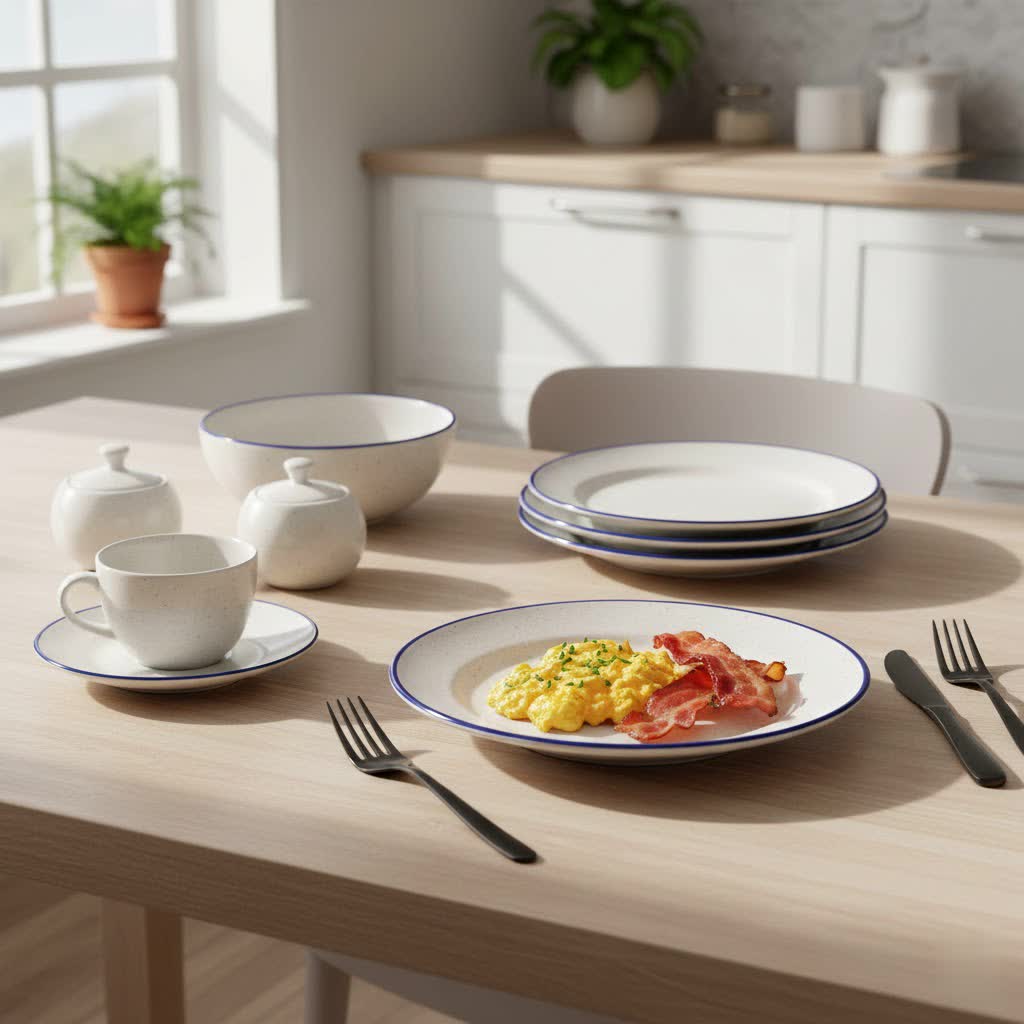
East Fork Pottery’s appeal lies in its distinctive aesthetic, a harmonious blend of rustic charm and modern sophistication. Their stoneware is characterized by unique speckled surfaces, a natural result of the iron-rich regional clay reacting during the firing process. This creates subtle variations in each piece, ensuring no two are exactly alike and adding to their handcrafted allure. The brand offers a thoughtful palette of seven year-round core colors, complemented by rotating seasonal glazes, allowing customers to mix, match, or create a monochrome collection that reflects their personal style. From the tactile quality of the exposed edges to the rich, bold colors, East Fork pieces are designed to feel substantial yet elegant, transforming even the simplest meal into an elevated experience. This embrace of “perfectly imperfect” handcrafted details sets them apart, offering dinnerware that feels both special and approachable.
Durability and Daily Use: Built to Last?
One of the most praised aspects of East Fork Pottery is its robust durability, making it suitable for rigorous daily use. Crafted from dense, high-quality stoneware, these pieces are designed to withstand the demands of a busy household. Users frequently highlight their resilience, noting that the dinnerware is both microwave- and dishwasher-safe, providing exceptional convenience for modern living. While some reviewers have reported instances of minor chipping from significant impacts, particularly when handled by children or dropped forcefully, many attest that these pieces hold up remarkably well over years of constant use. The substantial weight provides a reassuring feel, preventing accidental slips, yet the items remain comfortable to lift and stack. Over time, gentle cutlery marks may appear, which is a common characteristic of stoneware. However, these can be easily buffed away with water and a mild scouring powder like Bar Keeper’s Friend, restoring the pottery’s original luster.
Navigating the East Fork “Waitlist”: Exclusivity or Frustration?
The phrase “Is It Worth the Wait List?” is often synonymous with East Fork Pottery, particularly for highly sought-after items like “The Mug” which has garnered a cult following. Historically, popular pieces have frequently sold out, creating a perception of exclusivity and demand that sometimes translates into genuine waitlists or limited restock opportunities. This model of production, often in small batches with locally sourced materials, means that popular colors or specific items can become elusive. While not every item is perpetually on a waitlist, East Fork’s seasonal color releases and limited drops mean that desirable pieces can quickly become unavailable. For many, the anticipation and eventual acquisition of a cherished item add to its perceived value and the connection to the brand. To successfully acquire pieces, it is advisable for prospective buyers to sign up for East Fork’s newsletters and be prompt when new collections or restocks are announced. The wait, for many enthusiasts, becomes part of the journey to owning pottery that feels intentionally made and truly special.
The Investment: Is East Fork Pottery Worth the Price Tag?
East Fork Pottery undoubtedly represents an investment, with individual plates and bowls typically priced higher than mass-produced dinnerware options. For instance, single plates can cost upwards of $40, and their iconic “Mug” is priced around $36. This pricing reflects several key factors: the use of locally sourced, high-quality stoneware clay, the meticulous handcrafting process by skilled artisans in Asheville, North Carolina, and the company’s commitment to ethical labor practices, including paying living wages and offering comprehensive benefits. Many customers consider East Fork pieces to be heirloom-quality, designed to last for decades and even generations, thereby justifying the initial outlay. The blend of exceptional durability, timeless aesthetic, and the conscious brand values contributes to a sense of long-term value that transcends mere utility. Ultimately, the worth of this investment hinges on a buyer’s prioritization of sustainable production, artisanal craftsmanship, and the desire for dinnerware that brings an elevated, intentional feel to everyday life.
Conclusion
|
Our Picks for the Best Ceramic dinnerware in 2026
As an Amazon Associate I earn from qualifying purchases.
|
||
| Num | Product | Action |
|---|---|---|
| 1 | Gibson Home Oslo 12-Piece Porcelain Chip and Scratch Resistant Dinnerware Set, Service for 4 – Black Plates and Bowls, Microwave & Dishwasher Safe |

|
| 2 | Corelle Vitrelle 18-Piece Service for 6 Dinnerware Set Triple Layer Glass and Chip Resistant, Lightweight Round Plates and Bowls Set, Winter Frost White |
|
| 3 | Corelle Vitrelle 18 Piece Glass Dinnerware Sets Service for 6, Triple Layer Chip & Crack Resistant Glass Plate and Bowl Sets, Laila |
|
| 4 | TheTerra Stoneware Dinnerware Sets for 4, 12 Pieces Ceramic Plates and Bowls Sets, Scratch Resistant Dish Set, Oven, Microwave & Dishwasher Safe, Coca Mocha |
|
| 5 | vancasso Bonita Stoneware Dinnerware Sets 24 Pieces Service for 6, Hand-Painted Spiral Dishes Set, Ceramic Kitchen Plates and Bowls Sets-Microwave and Dishwasher Safe (Blue,24 Pcs) |
|
| 6 | Corelle Vitrelle 18-Piece Service for 6 Dinnerware Set, Triple Layer Glass and Chip Resistant, Lightweight Round Plates and Bowls Set, Portofino |
|
| 7 | TheTerra Stoneware Dinnerware Sets for 4, 12 Pieces Ceramic Plates and Bowls Sets, Scratch Resistant Dish Set, Oven, Microwave & Dishwasher Safe, Autumn Haze |
|
| 8 | Gibson Home Oslo Dinnerware Set for 4, 16-Piece White Porcelain Plates and Bowls — Ceramic Dish Set - Microwave & Dishwasher Safe |
|
| 9 | TheTerra Stoneware Dinnerware Sets for 4, 12 Pieces Ceramic Plates and Bowls Sets, Scratch Resistant Dish Set, Oven, Microwave & Dishwasher Safe, Dusk Blue |
|
| 10 | TheTerra Stoneware Dinnerware Sets for 4, 12 Pieces Ceramic Plates and Bowls Sets, Scratch Resistant Dish Set, Oven, Microwave & Dishwasher Safe, Creamy Amber |
|
East Fork Pottery stands as a testament to the enduring appeal of handcrafted quality and ethical production in a fast-paced world. From its signature speckled glazes and robust stoneware construction to its commitment to community and fair labor, the brand offers more than just dinnerware; it offers a philosophy. While the price point and occasional waitlists might require consideration, the reviews consistently highlight the pottery’s exceptional durability, timeless beauty, and the profound sense of connection it brings to daily rituals. For those who value artisan craftsmanship, sustainable practices, and pieces designed to last a lifetime, the journey to owning East Fork Pottery is often a rewarding one. Will you find that the beauty and functionality of East Fork’s stoneware make the wait well worth it for your home?
Frequently Asked Questions
Is East Fork Pottery oven-safe?
Yes, East Fork Pottery is generally oven-safe. While it is not recommended for direct open flames or sudden extreme temperature changes, you can place it in a cool oven and bring it up to high temperatures, making it suitable for baking dishes like casseroles or crème brûlée.
How do you clean East Fork Pottery?
East Fork Pottery is dishwasher safe for easy cleaning. For tougher stains or cutlery marks that may accumulate over time, you can buff them off using water and a scouring powder, such as Bar Keeper’s Friend, applied with a soft sponge or scrubber.
Where is East Fork Pottery made?
All East Fork Pottery pieces are handmade in Asheville, North Carolina, using regional stoneware clay. The company emphasizes local sourcing of materials and maintains its production facilities in the United States.
Are East Fork Pottery pieces truly handmade?
East Fork Pottery pieces are handcrafted by skilled artisans. While they utilize some machinery in their production process to ensure consistency and scale, elements like hand-trimming, dipping, and glazing mean that each piece retains unique, handmade touches and variations.
What makes East Fork Pottery so expensive?
The higher price of East Fork Pottery reflects several factors: the use of high-quality, regionally sourced materials, the intensive handcrafting process by skilled artisans, the company’s commitment to paying living wages (starting at least at $22/hour) and providing benefits to its employees, and its certified B Corp status, which signifies a dedication to social and environmental performance.